On this page
- Traditional Markets: Where Locals Shop for Everything
- Modern Shopping Centers: Air-Conditioned Retail Therapy
- Night Markets: Evening Shopping Adventures
- Specialty Shopping Streets: Focused Finds by Neighborhood
- What to Buy: Da Nang’s Best Souvenirs and Local Products
- Budget Breakdown: Shopping Costs in Da Nang (2026)
- Frequently Asked Questions
Da Nang‘s shopping scene has exploded since the city opened its new metro line in late 2025, connecting previously scattered retail districts into one accessible network. Whether you’re hunting for handwoven textiles at dawn markets or browsing international brands in gleaming malls, this coastal city offers shopping experiences that rival Ho Chi Minh City—without the crushing crowds.
Traditional Markets: Where Locals Shop for Everything
Han Market anchors Da Nang’s traditional shopping scene from its prime location near the Han River. The three-story building buzzes with activity from 5 AM until sunset, with vendors calling out prices in a mix of Vietnamese and broken English. The ground floor specializes in fresh produce and prepared foods, while upper levels house clothing, accessories, and household goods.
The market’s fabric section on the second floor deserves special attention. Local tailors source materials here, and you can find silk scarves starting from 200,000 VND ($8 USD) and traditional ao dai fabric from 500,000 VND ($20 USD) per meter. The morning hours between 6-9 AM offer the best selection and most reasonable prices, as vendors compete for early sales.
Con Market, tucked away in Hai Chau District, operates with less tourist fanfare but delivers authentic local shopping. The wet market section fills with the sharp scent of fresh fish and tropical fruits by dawn, while dry goods vendors set up their colorful displays of spices, dried seafood, and packaged snacks. Prices here run 20-30% lower than Han Market, making it perfect for budget-conscious shoppers.
Cho Dong Ba operates as Da Nang’s wholesale hub, where retailers stock their shops. Open to the public but primarily serving businesses, this market offers rock-bottom prices on bulk purchases. The dried fruit section sells vacuum-packed jackfruit, mango, and dragon fruit at wholesale rates—perfect for stocking up on gifts to take home.

Modern Shopping Centers: Air-Conditioned Retail Therapy
Vincom Plaza Da Nang stands as the city’s flagship shopping destination, its glass facade reflecting the Han River’s flow. The mall’s six floors house international brands like Zara, H&M, and Uniqlo alongside Vietnamese retailers. The basement supermarket, Vinmart, stocks everything from imported cheese to local coffee beans, making it a one-stop shop for both tourists and expats.
The cinema complex on the top floor shows Hollywood blockbusters with English audio and Vietnamese subtitles, providing air-conditioned relief during Da Nang’s sweltering afternoons. Food courts on levels 3 and 4 serve both international chains and local favorites, with meals ranging from 80,000-200,000 VND ($3-8 USD).
Lotte Mart Da Nang combines hypermarket shopping with entertainment facilities. The electronics section carries the latest smartphones and gadgets at competitive prices, often 10-15% less than similar products in Western countries. The Korean ownership shows in the extensive K-beauty section, featuring brands like Innisfree and The Face Shop at prices lower than in Seoul.
BigC and Lotte Mart locations throughout the city have embraced the 2026 retail revolution with expanded online pickup services and same-day delivery within Da Nang’s city limits. These hypermarkets excel at bulk shopping for longer stays, with household items, snacks, and personal care products at wholesale-style pricing.
Night Markets: Evening Shopping Adventures
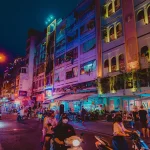
Da Nang Night Market comes alive after sunset along Bach Dang Street, stretching from the Dragon Bridge toward the harbor. Food stalls dominate the early sections, filling the air with the sizzle of grilled seafood and the sweet aroma of che (Vietnamese desserts). Retail stalls cluster toward the river end, selling everything from knock-off designer bags to genuine Vietnamese handicrafts.

The market’s strength lies in its casual atmosphere—vendors expect bargaining, and prices drop significantly as closing time approaches around 11 PM. T-shirts start around 100,000 VND ($4 USD) but often settle at 60,000 VND ($2.50 USD) for multiple purchases. Genuine silk products command higher prices but remain far below tourist shop rates.
Helio Night Market, a newer addition near Da Nang Cathedral, focuses more heavily on local artisans and small-scale manufacturers. The quality here surpasses typical night market offerings, with handmade pottery, woven baskets, and carved wooden items that make genuine souvenirs rather than mass-produced trinkets.
Operating Thursday through Sunday, Helio attracts a younger crowd with its Instagram-friendly setup and craft beer garden. The hipster vibe translates to higher prices—expect to pay 150,000-300,000 VND ($6-12 USD) for artisan items—but the quality justifies the premium for shoppers seeking authentic Vietnamese craftsmanship.
Seasonal Night Market Events
Da Nang’s night markets expand significantly during festival periods, particularly around Tet (Vietnamese New Year) and the International Fireworks Festival in summer. Pop-up stalls selling seasonal specialties appear alongside regular vendors, and extended hours keep markets buzzing until 1 AM during peak times.
Specialty Shopping Streets: Focused Finds by Neighborhood
Hung Vuong Street functions as Da Nang’s electronics and phone district. Shop after shop displays the latest smartphones, laptops, and accessories in air-conditioned showrooms. Prices for international brands often undercut Western markets by 15-20%, and warranty coverage extends throughout Vietnam for major brands like Samsung and Apple.
The street’s repair shops handle everything from cracked phone screens to laptop upgrades with remarkable speed and skill. Most technicians speak basic English, and repair costs run dramatically lower than Western countries—screen replacements typically cost 500,000-800,000 VND ($20-33 USD) depending on the device.

Le Duan Street specializes in home goods and furniture, with shops selling everything from traditional Vietnamese lacquerware to modern Scandinavian-inspired pieces. The furniture here targets local customers rather than tourists, resulting in competitive prices and practical designs suited to tropical climates.
Textile and fashion stores cluster along Nguyen Hien Street, where local designers showcase contemporary Vietnamese fashion alongside traditional garments. The ao dai shops here create custom-fitted traditional dresses, with basic versions starting from 800,000 VND ($33 USD) and elaborate silk versions reaching 2,500,000 VND ($103 USD).
Artisan Workshop District
The narrow alleys behind Phan Chu Trinh Street hide workshops where craftspeople create marble sculptures, wooden furniture, and metal artwork. Many artisans welcome visitors and accept custom orders, though communication often requires translation apps or hand gestures. These workshops produce the marble products sold throughout Vietnam’s tourist areas, offering factory-direct pricing on everything from small figurines to large garden statues.
What to Buy: Da Nang’s Best Souvenirs and Local Products
Vietnamese coffee represents Da Nang’s most practical souvenir, with local roasters producing beans that rival global specialty brands at fraction of the cost. Trung Nguyen Coffee shops throughout the city sell whole beans starting from 200,000 VND ($8 USD) per kilogram, while premium varieties like weasel coffee reach 1,000,000 VND ($41 USD) per kilogram.
The traditional phin coffee makers, essential for authentic Vietnamese brewing, cost 50,000-150,000 VND ($2-6 USD) depending on size and material. Aluminum versions suit budget travelers, while stainless steel models provide durability for regular use back home.
Non La (conical hats) from Da Nang feature distinctive regional patterns and superior construction compared to mass-produced versions found elsewhere. Quality hats start from 150,000 VND ($6 USD) at markets, rising to 400,000 VND ($16 USD) for elaborately decorated versions with silk linings and painted designs.
Local Food Products
Da Nang’s nem chua (fermented pork rolls) can’t travel internationally, but dried and vacuum-packed versions of local specialties make excellent gifts. Dried squid, fish sauce, and shrimp paste represent authentic flavors of central Vietnamese cuisine, with vacuum packaging ensuring they survive long journeys home.

My Quang instant noodles, Da Nang’s signature dish in convenient form, sell for 15,000-25,000 VND ($0.60-1 USD) per pack. These make practical gifts for friends interested in Vietnamese cuisine, and the packaging often features attractive Vietnamese text and imagery.
Handicrafts and Art
Local marble carving workshops produce everything from miniature elephants to life-sized Buddha statues. Small decorative pieces start from 100,000 VND ($4 USD), while statement pieces for gardens or homes can reach millions of VND. The Marble Mountains area offers the widest selection, but city shops provide more convenient shopping without the tourist markup.
Hand-embroidered textiles showcase Vietnam’s textile traditions, with silk scarves, table runners, and wall hangings featuring intricate needlework. Quality varies dramatically—machine embroidery sells for 200,000-400,000 VND ($8-16 USD), while genuine hand embroidery starts around 800,000 VND ($33 USD) and rises based on complexity and size.
Budget Breakdown: Shopping Costs in Da Nang (2026)
Budget shopping in Da Nang focuses on local markets and street vendors, where daily necessities cost significantly less than Western countries. A typical budget shopper might spend 500,000-1,000,000 VND ($20-41 USD) per day covering meals, local transportation, and small souvenir purchases.
Budget Tier (Under 1,000,000 VND/$41 USD per day):
- Market meals: 30,000-60,000 VND ($1.25-2.50 USD)
- Street snacks: 10,000-25,000 VND ($0.40-1 USD)
- Local transport (bus/taxi): 100,000-200,000 VND ($4-8 USD)
- Basic souvenirs: 50,000-200,000 VND ($2-8 USD)
- Drinks (coffee/beer): 15,000-40,000 VND ($0.60-1.65 USD)
Mid-Range Tier (1,000,000-2,500,000 VND/$41-103 USD per day):
- Restaurant dining: 150,000-300,000 VND ($6-12 USD)
- Shopping mall purchases: 200,000-800,000 VND ($8-33 USD)
- Grab rides: 50,000-150,000 VND ($2-6 USD) per trip
- Quality souvenirs: 300,000-1,000,000 VND ($12-41 USD)
- Entertainment (cinema/bars): 100,000-250,000 VND ($4-10 USD)

Comfortable Tier (Over 2,500,000 VND/$103 USD per day):
- Fine dining: 500,000-1,500,000 VND ($20-62 USD)
- Designer shopping: 1,000,000-10,000,000 VND ($41-412 USD)
- Private transportation: 800,000-2,000,000 VND ($33-82 USD)
- Luxury souvenirs/art: 2,000,000+ VND ($82+ USD)
- Premium experiences: 1,000,000-3,000,000 VND ($41-124 USD)
Credit cards gain wider acceptance in 2026, particularly at malls and hotels, but cash remains king at markets and street vendors. ATMs throughout the city dispense Vietnamese dong, though withdrawal fees can add up—using bank partnerships or fee-free cards saves money over extended stays.
Frequently Asked Questions
What are Da Nang’s shopping hours?
Traditional markets open around 5 AM and close by 6 PM, while shopping malls operate 9 AM to 10 PM daily. Night markets run from sunset until 11 PM, with some weekend extensions until midnight during festival periods.
Can I bargain at Da Nang markets and shops?
Bargaining is expected at traditional markets and night markets, with final prices often 20-40% below initial quotes. Shopping malls and branded stores have fixed prices, but markets welcome negotiation as part of the shopping experience.
Which payment methods work best in Da Nang?
Cash remains most widely accepted, especially at markets and small shops. Major malls accept credit cards, and QR code payments through banking apps work at many vendors. ATMs are plentiful, but notify your bank before traveling.
What should I avoid buying in Da Nang?
Avoid obvious counterfeits of luxury brands, as quality is poor and customs may confiscate items. Also skip expensive electronics at tourist-focused shops—better deals exist at local electronics districts or major retailers with proper warranties.
How do I get my purchases home from Da Nang?
Most hotels arrange shipping for larger items, while Vietnam Post offices handle smaller packages reliably. For valuable items, DHL and FedEx operate in Da Nang. Check customs regulations for your country before purchasing items like food products or certain handicrafts.
Explore more
Where to Eat in Da Nang? Your Ultimate Guide to Restaurants, Street Food & Local Delights
Da Nang Essentials: Your Go-To Guide for Getting Around, Budgeting & Planning
Where to Go Out in Da Nang? Your Ultimate Guide to Nightlife & After-Dark Fun
📷 Featured image by Nat.chee Kim on Unsplash.