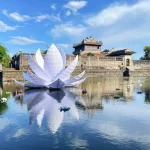
April marks the transition into Vietnam’s hottest months, with temperatures climbing toward their annual peak and humidity levels that can overwhelm unprepared travelers. The combination of intense heat and pre-monsoon moisture creates challenging conditions that require specific strategies to maintain comfort and health during your 2026 visit.
Weather Patterns Across Vietnam’s Regions in April 2026
Vietnam’s April weather varies dramatically from north to south, demanding different approaches for each region. Northern Vietnam, including Hanoi and Halong Bay, experiences daytime temperatures ranging from 28°C to 35°C with humidity levels around 70-80%. The heat builds steadily throughout the month, with occasional brief showers that provide temporary relief but increase humidity.
Central Vietnam faces the most intense conditions in April. Hue, Hoi An, and Da Nang regularly see temperatures exceeding 35°C, with some days reaching 38°C. The coastal areas benefit from sea breezes during afternoons, but inland destinations like the Imperial City in Hue become particularly challenging between 11 AM and 4 PM.
Southern Vietnam, including Ho Chi Minh City and the Mekong Delta, maintains more consistent temperatures around 32°C to 36°C. However, the urban heat island effect in Ho Chi Minh City can push perceived temperatures several degrees higher, especially in Districts 1 and 3 where concrete and limited green space amplify the heat.
The smell of street food sizzling on metal carts intensifies during April’s heat, with vendors starting earlier and taking longer midday breaks. The rhythmic whir of countless fans creates a constant backdrop in markets, restaurants, and hotels across all regions.
Smart Clothing Choices for Vietnam’s April Heat
Fabric selection becomes critical in April’s heat and humidity. Cotton blends with moisture-wicking properties outperform pure cotton, which retains sweat and becomes uncomfortable quickly. Bamboo fiber clothing, increasingly available in Vietnamese cities, provides excellent breathability and natural antimicrobial properties.

Light colors reflect heat more effectively than dark fabrics, but consider the practicality for dusty temple visits or street food adventures. Pale blues, whites, and khakis strike the right balance between heat reflection and stain concealment. Long-sleeved shirts in lightweight fabrics protect against intense UV exposure while allowing air circulation.
Footwear requires special attention in April’s conditions. Leather shoes become uncomfortable quickly, while canvas sneakers with mesh ventilation panels maintain breathability. Sandals work well for short distances but consider closed-toe options for temple visits and longer walking tours where foot protection matters more than cooling.
Wide-brimmed hats provide essential shade, but ensure they’re lightweight and well-ventilated. Vietnamese conical hats (nón lá) offer excellent sun protection and are widely available for purchase, typically costing 50,000-100,000 VND ($2-4 USD) in tourist areas.
Hydration and Health Strategies
April’s heat demands aggressive hydration strategies beyond simple water consumption. Electrolyte replacement becomes essential when sweating heavily during temple visits, market exploration, or outdoor activities. Vietnamese pharmacies stock oral rehydration salts (thuốc bù nước) for approximately 15,000-25,000 VND ($0.60-1 USD) per packet.
Local beverages offer both hydration and cultural experiences. Fresh coconut water provides natural electrolytes and is available throughout Vietnam for 15,000-30,000 VND ($0.60-1.20 USD) per coconut. Avoid ice in drinks from street vendors, but established restaurants and cafes typically use filtered water for ice production.
Timing medication and supplements requires adjustment in extreme heat. Some medications become less effective or cause increased heat sensitivity. Consult with healthcare providers before traveling about adjusting dosing schedules or switching to heat-stable alternatives.
Recognition of heat exhaustion symptoms becomes vital during April visits. Headaches, dizziness, nausea, and excessive fatigue indicate the need for immediate cooling and hydration. Most hotels and guesthouses maintain air-conditioned lobby areas where travelers can recover without purchasing additional services.

Cooling Foods and Local Remedies
Vietnamese cuisine offers numerous dishes specifically designed for hot weather. Chè (sweet soup) served cold provides hydration with light nutrition, while fresh spring rolls (gỏi cuốn) offer satisfying meals without heating the body. Avoid heavy, oil-rich dishes during the hottest parts of the day.
Herbal teas, despite being served hot, actually help cool the body through induced sweating and natural cooling mechanisms. Lotus tea, jasmine tea, and traditional Vietnamese herbal blends are available at most restaurants and cost 20,000-40,000 VND ($0.80-1.60 USD) per serving.
Timing Your Activities for Maximum Comfort
April requires strategic activity scheduling to avoid the most challenging heat periods. Plan outdoor sightseeing, temple visits, and walking tours between 6 AM and 10 AM when temperatures remain relatively manageable and crowds are lighter.
The period from 11 AM to 4 PM presents the greatest challenges for outdoor activities. Use these hours for air-conditioned museums, shopping centers, restaurants, or returning to accommodations for rest. Many Vietnamese businesses adopt extended lunch breaks during April’s heat, making this natural timing for visitor rest periods.
Evening activities become particularly rewarding in April as temperatures drop and local life resurges. Night markets, street food tours, and evening river cruises offer comfortable experiences with authentic local atmosphere. The buzz of renewed activity as the sun sets creates some of Vietnam’s most memorable travel moments.
Transportation timing affects comfort significantly. Buses and trains without air conditioning become extremely uncomfortable during peak heat hours. Book air-conditioned transportation when possible, and allow extra time for walking between stops as movement slows in intense heat.
Indoor Alternatives and Air-Conditioned Refuges

Vietnam’s modern shopping centers provide excellent heat relief with consistent air conditioning and international food courts. Saigon Centre, Vincom Centers, and Lotte Department Stores offer comfortable environments for extended breaks from outdoor heat.
Museums and cultural centers typically maintain comfortable temperatures while providing educational experiences. The Vietnam Museum of Ethnology in Hanoi, War Remnants Museum in Ho Chi Minh City, and various provincial museums offer several hours of cool, enriching experiences.
Budget Breakdown for Staying Cool in April 2026
Managing Vietnam’s April heat affects travel budgets across accommodation, transportation, food, and health categories. Planning for these additional costs ensures comfortable travel without financial surprises.
Accommodation Cooling Costs
Budget Level (200,000-500,000 VND / $8-20 USD per night): Fan-only rooms require supplemental cooling strategies. Portable fans cost 100,000-300,000 VND ($4-12 USD) to purchase. Cooling towels and spray bottles add 50,000-100,000 VND ($2-4 USD) to your kit.
Mid-Range (500,000-1,200,000 VND / $20-48 USD per night): Air-conditioned rooms eliminate the need for additional cooling equipment. Factor in potentially higher electricity costs if staying longer-term, as April usage increases significantly.
Comfortable (1,200,000+ VND / $48+ USD per night): Premium hotels include pool access, spa services, and consistent climate control. Pool day passes at luxury hotels cost 300,000-800,000 VND ($12-32 USD) for non-guests.
Transportation and Cooling Expenses
Air-conditioned transportation commands premium pricing during April’s peak heat. Grab cars with AC cost 20-30% more than motorbikes, but the comfort justifies the expense for longer distances. Expect daily transportation costs to increase by 100,000-200,000 VND ($4-8 USD) when prioritizing air-conditioned options.
Domestic flights become more attractive for longer distances, as air-conditioned airports and planes provide consistent comfort. Budget airlines offer competitive pricing, with domestic flights ranging from 1,000,000-3,000,000 VND ($40-120 USD) depending on routes and timing.
Food and Beverage Cooling Budget
Increased beverage consumption significantly impacts daily food budgets. Budget an additional 100,000-150,000 VND ($4-6 USD) daily for extra water, coconut water, and cooling drinks. Restaurant meals in air-conditioned environments cost 20-40% more than street food but provide essential heat relief during peak hours.

Frequently Asked Questions
What’s the hottest time of day in Vietnam during April?
Peak temperatures typically occur between 1 PM and 3 PM, with heat index values often exceeding actual air temperature by 5-8°C due to high humidity levels across all regions.
Can I still enjoy street food safely in April’s heat?
Yes, but choose vendors with high turnover rates and avoid dishes that have been sitting in the heat. Early morning and evening street food sessions offer the safest and most comfortable experiences.
Do I need special travel insurance for heat-related health issues?
Standard travel insurance typically covers heat exhaustion and related medical treatment. Verify your policy includes coverage for pre-existing conditions that might be exacerbated by extreme heat.
How much extra should I budget for staying cool in April?
Budget travelers should add 300,000-500,000 VND ($12-20 USD) daily for cooling costs, while mid-range travelers need an additional 200,000-300,000 VND ($8-12 USD) daily for upgraded transportation and accommodation.
Are there any regions of Vietnam that are cooler in April?
Sapa and mountainous northern regions maintain more moderate temperatures, typically 5-10°C cooler than lowland areas. However, April still represents warm weather even in these elevated locations compared to winter months.
Explore more
Experience Hung Kings’ Commemoration Day in Vietnam: April 2026 Guide
Vietnam’s Golden Bridge Gets a Rival: New ‘Dragon’s Breath Skywalk’ Opens in Sapa
Da Nang International Fireworks Festival 2026 Dates and Themes Revealed
📷 Featured image by Jean-Baptiste NORE on Unsplash.