On this page
- The Sand Dunes: Red and White, and How to Do Them Right
- Kitesurfing and Watersports: Mui Ne’s Wind-Powered Identity
- Beyond the Dunes: Fairy Stream, Fishing Village, and Po Sah Inu Tower
- The Food Scene: Where to Eat in Mui Ne in 2026
- Getting to Mui Ne: Train, Bus, and the Road Trip Option
- Getting Around Once You’re There
- Day Trip or Overnight? Making the Call
- 2026 Budget Reality: What Things Actually Cost
- Frequently Asked Questions
💰 Click here to see Vietnam Budget Breakdown
💰 Prices updated: August, 2026. Budget figures are estimates — always verify before travel.
Exchange Rate: $1 USD = ₫26,080.50
Daily Budget (per person)
Shoestring: ₫782,415 – ₫1,304,025 ($30.00 – $50.00)
Mid-range: ₫2,086,440 – ₫3,912,075 ($80.00 – $150.00)
Comfortable: ₫5,216,100 – ₫9,128,175 ($200.00 – $350.00)
Accommodation (per night)
Hostel/guesthouse: ₫78,242 – ₫312,966 ($3.00 – $12.00)
Mid-range hotel: ₫521,610 – ₫1,825,635 ($20.00 – $70.00)
Food (per meal)
Budget meal: ₫50,000.00 ($1.92)
Mid-range meal: ₫150,000.00 ($5.75)
Upscale meal: ₫400,000.00 ($15.34)
Transport
Single metro/bus trip: ₫10,000.00 ($0.38)
Monthly transport pass: ₫500,000.00 ($19.17)
Mui Ne has a split personality problem — and most visitors only see half of it. In 2026, the resort strip along Nguyen Dinh Chieu Street is more developed than ever, with new beachfront hotels and beach clubs catering to the package-holiday crowd. But push past that, and you get one of Vietnam’s strangest and most satisfying landscapes: red sand canyons, wind-whipped dunes, a working fishing village that smells intensely of fermented shrimp paste, and a stretch of coastline that genuinely ranks among Asia’s best kitesurfing conditions. This guide cuts through the resort noise and tells you how to make the most of Mui Ne in a way that actually feels worth the journey.
The Sand Dunes: Red and White, and How to Do Them Right
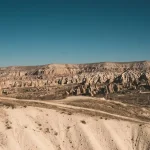
There are two dune systems near Mui Ne, and they look almost nothing alike. Most people visit both on the same morning, which is the correct move.
The White Sand Dunes (Bàu Trắng) sit about 50 kilometres northeast of Mui Ne town in Bình Thuận province. These are the dramatic ones — large, pale, wind-sculpted ridges that feel legitimately Saharan when the light is right. Come at sunrise and you will have long shadows and cooler temperatures, and significantly fewer vendors. The dunes surround two freshwater lagoons, and the contrast between pale sand and green water is striking. Bring sandboarding — plastic sleds are rented on-site for around 30,000–50,000 VND (roughly $1.20–$2) — but manage expectations. It’s fun for twenty minutes, not a full activity.
The Red Sand Dunes are much closer to the resort strip, about 2 kilometres north of the tourist centre. They’re smaller and heavily visited by midday, but the deep terracotta colour against the blue sky is genuinely photogenic in early morning or late afternoon. The sandboarding here attracts persistent child vendors — you can rent boards or politely decline. Either way, go before 8am or after 4pm to avoid both the heat and the crowd.
Kitesurfing and Watersports: Mui Ne’s Wind-Powered Identity
Between November and April, the wind at Mui Ne is consistent, cross-shore, and strong enough that this stretch of coast has become one of Southeast Asia’s most respected kitesurfing destinations. The conditions are not accidental — the geography of the bay channels the northeast monsoon directly onto the beach, creating reliable 15–25 knot winds during peak season.
For beginners, a three-day International Kiteboarding Organization (IKO) course will take you from zero to riding in flat water. In 2026, reputable schools including Jibes Beach Club and C2Sky charge approximately 4,500,000–5,500,000 VND ($180–$220) for a full beginner course. That includes equipment. Advanced riders can rent gear by the hour or session once certified.
Beyond kitesurfing, the watersports options have expanded considerably in recent years. Wingfoiling — using a handheld inflatable wing above a hydrofoil board — has taken off at several schools along the strip. Stand-up paddleboarding is available at calmer end of the bay near the fishing village. Windsurfing, which is how Mui Ne originally built its reputation in the 1990s and 2000s, is still available but has been largely eclipsed by kiteboarding in terms of student numbers.
If you’re visiting outside of kitesurfing season (May through October), the wind drops significantly and the sea can be rough. Watersports are still possible but conditions are much less reliable.
Beyond the Dunes: Fairy Stream, Fishing Village, and Po Sah Inu Tower
The Fairy Stream (Suối Tiên) is easy to dismiss from photos — it looks like a shallow creek. In person, it’s more interesting. You wade ankle-deep through cool, clear water between walls of layered red and white sandstone that have been carved by erosion into small canyons and formations. The walk takes about 30–40 minutes return, and you do it barefoot. Locals sell fresh coconuts at the entrance for 20,000 VND (about $0.80). It’s low-key and genuinely pleasant, especially in the morning when the canyon walls catch the light.
The Mui Ne Fishing Village sits at the northern end of the tourist strip and operates entirely on its own terms regardless of what’s happening in the resort zone 2 kilometres south. The smell hits you before you see it — salt, fish sauce, drying seafood, the specific sharpness of fermented shrimp paste being produced in large ceramic urns. The early morning boat return (around 5–7am) is when the village is most active, with round wicker basket boats (thuyền thúng) being rowed in through the surf and catches sorted on the beach. It’s chaotic and photogenic and completely unscripted.
Po Sah Inu Cham Tower is overlooked by most visitors and deserves more attention. Located on a small hill above the fishing village, this cluster of 8th-century Cham brick towers is among the best-preserved in southern Vietnam. Unlike the more famous My Son complex near Hoi An, Po Sah Inu has almost no crowds. The towers are still used for Cham religious ceremonies, particularly the Kate Festival each autumn. Entry costs 10,000 VND ($0.40) and the hilltop view over the fishing village and coastline makes it worth the climb.
The Food Scene: Where to Eat in Mui Ne in 2026
The resort strip has plenty of restaurants catering to international visitors, but the most interesting eating in Mui Ne is either at the local market end of town or in the handful of seafood spots that serve the fishing community directly.
For seafood, head to the northern end of Nguyen Dinh Chieu Street near the fishing village. Here you’ll find open-air restaurants with tanks of live seafood — pick your crab, prawn, or fish and negotiate a price before it goes to the kitchen. A full seafood meal for two with beer runs 300,000–600,000 VND ($12–$24) depending on what you order.
For local breakfast, bánh mì from the small stalls near the Mui Ne market (Chợ Mũi Né) costs 15,000–25,000 VND ($0.60–$1). Bún cá — a regional fish noodle soup with a clear, lightly spiced broth — is a Mui Ne specialty you won’t find as commonly elsewhere in Vietnam. Several local spots near the market sell it from about 5:30am until they run out, usually by 9am.
For something different, the Russian-Vietnamese restaurant scene that built up during the 2000s and 2010s has contracted but not disappeared. A few spots still serve borscht alongside pho, which is a strange and historically interesting quirk of Mui Ne’s particular tourism history.
Getting to Mui Ne: Train, Bus, and the Road Trip Option
Mui Ne is not directly on the national rail line, which is one reason it gets fewer visitors than it deserves. The nearest train station is Phan Thiet, about 22 kilometres away. In 2026, the long-awaited Phan Thiet–Dieu Tri rail extension — connecting Phan Thiet to the main north-south line — is operational, making this significantly easier than it was in 2024. Trains from Ho Chi Minh City to Phan Thiet now take around 2.5–3 hours, after which a taxi or Grab to Mui Ne costs 150,000–200,000 VND ($6–$8).
By bus from Ho Chi Minh City, open-tour and sleeper buses operated by Phuong Trang (Futa), Sinh Tourist, and others run directly to the Mui Ne resort strip. The journey takes 4–5 hours depending on traffic. Tickets cost 150,000–220,000 VND ($6–$9). Buses from Da Lat take about 3.5–4 hours and are a popular combination, since both destinations have distinct climates and landscapes.
Driving from Ho Chi Minh City via the coastal route along Highway 1 and then branching onto the coast road is genuinely scenic, particularly the final stretch approaching Mui Ne from the north. With a motorbike or rental car, this takes 4–5 hours and the road conditions in 2026 are good.
Getting Around Once You’re There
Mui Ne’s main resort strip stretches about 10–12 kilometres along Nguyen Dinh Chieu Street. It’s too long to walk comfortably, and there’s no local bus service worth using. Your practical options are:
- Grab — works reliably along the main strip in 2026. Short trips cost 30,000–60,000 VND ($1.20–$2.40).
- Motorbike rental — available from most guesthouses for 120,000–180,000 VND ($5–$7) per day. This is the best option for reaching the White Dunes independently.
- Bicycle rental — adequate for moving between spots on the main strip. Not suitable for the dune excursions given the distances involved.
- Jeep tours — the standard early-morning tour format that combines dunes, Fairy Stream, and the fishing village. Shared jeeps are cost-effective; private jeeps give you more flexibility on timing.
Day Trip or Overnight? Making the Call
The 200-kilometre distance from Ho Chi Minh City makes Mui Ne technically feasible as a very long day trip — but it’s a bad idea. You would spend most of the day on the road and miss both the early-morning dune light and the fishing village’s 5–7am boat arrivals.
A minimum of two nights makes sense if you want to do the dunes properly (one morning), try a kitesurfing lesson or at least watch the riders, walk the Fairy Stream, and eat well without rushing. Three nights gives you a full day for watersports, time to explore Po Sah Inu, and a second beach day.
Mui Ne works well as part of a longer southern Vietnam loop: Ho Chi Minh City → Mui Ne → Da Lat → back to HCMC, or extending further north. The Da Lat combination is particularly good because the two destinations feel completely different — Mui Ne’s dry heat and wind contrasting with Da Lat’s cool mist and pine forests.
2026 Budget Reality: What Things Actually Cost
Mui Ne runs slightly cheaper than Da Nang or Nha Trang for accommodation, but the resort strip pricing has crept up since 2024 as the beachfront properties have upgraded their facilities.
- Budget — Guesthouses and backpacker-style rooms away from the beachfront: 200,000–400,000 VND ($8–$16) per night. Basic, clean, functional.
- Mid-range — Bungalow-style resorts with a pool and beach access: 800,000–1,500,000 VND ($32–$60) per night. This is the sweet spot for most visitors.
- Comfortable — Full-service beachfront resorts with multiple pools, restaurants, and spa access: 2,000,000–4,500,000 VND ($80–$180) per night. Several new properties opened in this bracket between 2024 and 2026.
Daily spending beyond accommodation for a typical visitor: meals at local spots cost 50,000–150,000 VND ($2–$6) per dish. A beer at a beach bar runs 30,000–60,000 VND. A full day of dune touring plus entry fees should not exceed 200,000–300,000 VND ($8–$12) per person if you use a shared jeep. Kitesurfing lessons are the biggest single expense at 1,500,000–2,000,000 VND ($60–$80) per half-day session for beginners.
Frequently Asked Questions
What is the best time of year to visit Mui Ne?
November through April is the dry season and prime kitesurfing season, with consistent wind and little rain. December through February is peak tourist season with the best beach conditions. May through October brings humidity, occasional rain, and weaker winds — watersports are possible but less reliable. The dunes and cultural sites are worth visiting year-round.
Do I need to know how to surf to enjoy Mui Ne?
No. While kitesurfing and windsurfing are Mui Ne’s signature activities, beginners are fully catered for through structured courses. Non-watersports visitors have plenty to do: the dunes, Fairy Stream, Po Sah Inu tower, the fishing village, and the food scene all stand independently of wind sports entirely.
Is Mui Ne safe for solo travellers?
Yes. The resort strip is well-lit, Grab works reliably, and the tourist infrastructure is established. Solo female travellers report Mui Ne as generally comfortable. The usual Vietnam precautions apply: secure your valuables, agree on prices before rides or services, and be aware of your surroundings at night around beach bars.
How far is Mui Ne from Ho Chi Minh City?
Approximately 200 kilometres by road, which translates to 4–5 hours by bus or car. With the 2026 Phan Thiet rail extension now operational, the train to Phan Thiet followed by a short taxi is now the fastest option at around 3 hours total journey time from Ho Chi Minh City.
Are the sand dunes crowded?
The Red Sand Dunes get very crowded between 9am and 4pm. The White Dunes are less visited on weekdays but can be busy on Vietnamese public holidays. Arriving at either location before 7am, or visiting the White Dunes on a weekday afternoon, gives you dramatically more space and better photography conditions without the midday tour group traffic.
📷 Featured image by INHYEOK PARK on Unsplash.