On this page
- What Makes Mai Chau Valley Special in 2026
- White Thai Culture and Village Traditions
- Where to Stay: Homestays vs Resorts
- Trekking Routes and Outdoor Adventures
- Local Food Scene and Cooking Experiences
- Transportation: Getting There and Around
- Planning Your Visit: Duration and Timing
- Practical Tips for Village Etiquette
- Budget Breakdown for 2026
- Frequently Asked Questions
💰 Click here to see Vietnam Budget Breakdown
💰 Prices updated: October, 2026. Budget figures are estimates — always verify before travel.
Exchange Rate: $1 USD = ₫25,964.41
Daily Budget (per person)
Shoestring: ₫650,000 – ₫1,550,000 ($25.03 – $59.70)
Mid-range: ₫1,800,000 – ₫3,900,000 ($69.33 – $150.21)
Comfortable: ₫5,200,000 – ₫9,100,000 ($200.27 – $350.48)
Accommodation (per night)
Hostel/guesthouse: ₫120,000 – ₫350,000 ($4.62 – $13.48)
Mid-range hotel: ₫780,000 – ₫1,850,000 ($30.04 – $71.25)
Food (per meal)
Budget meal: ₫60,000.00 ($2.31)
Mid-range meal: ₫250,000.00 ($9.63)
Upscale meal: ₫800,000.00 ($30.81)
Transport
Single metro/bus trip: ₫10,000.00 ($0.39)
Monthly transport pass: ₫300,000.00 ($11.55)
Mai Chau Valley has transformed significantly since Vietnam’s tourism rebound in 2026, with new eco-lodges and improved road access from Hanoi. Yet this stunning valley 150 kilometres southwest of the capital still offers one of Vietnam’s most authentic experiences of ethnic minority culture, where White Thai villagers continue their traditional way of life amid emerald rice terraces and stilted wooden houses.
What Makes Mai Chau Valley Special in 2026
The valley sits at 300 metres above sea level, surrounded by limestone karsts that create a natural amphitheatre of green. Unlike more commercialised mountain destinations, Mai Chau maintains its agricultural rhythm. During planting season (May-June), the terraces shimmer with young rice shoots, while harvest time (September-October) brings golden waves across the landscape.
The White Thai people make up about 60% of the valley’s 50,000 residents. Their villages of Ban Lac and Pom Coong remain largely unchanged, with traditional stilt houses built from local hardwood and bamboo. The sound of wooden looms echoes from beneath these homes, where women weave intricate textiles using techniques passed down through generations.
New infrastructure completed in 2026 includes an upgraded Highway 6 that reduces travel time from Hanoi to under three hours. The provincial government has also implemented stricter guidelines to preserve the valley’s character while allowing sustainable tourism development.
White Thai Culture and Village Traditions
The White Thai distinguish themselves from other ethnic groups through their language, dress, and architectural style. Their stilted houses serve multiple purposes: the ground floor shelters livestock and stores farming tools, while families live on the upper level. Wide verandas provide space for weaving, socialising, and enjoying the valley breeze.
Traditional occupations continue to thrive alongside tourism. Men cultivate wet rice using water buffalo, while women specialise in textile production. The intricate brocade patterns tell stories—geometric designs represent mountains and rivers, while animal motifs symbolise prosperity and protection.
Village life follows seasonal rhythms. Dawn breaks with the sound of roosters and the gentle lowing of buffalo heading to the paddies. Children walk to school in their crisp white uniforms, while elderly villagers tend kitchen gardens growing herbs and vegetables.
Where to Stay: Homestays vs Resorts
Homestays remain the most authentic option. Traditional stilt houses accommodate 4-8 guests on woven mats with mosquito nets. Shared bathrooms are basic but clean, and the experience includes family meals and cultural activities. Expect to pay 300,000-500,000 VND (12-20 USD) per person including three meals.
Mai Chau Lodge opened in 2025, offering upscale bungalows that blend modern comfort with traditional architecture. Each villa features air conditioning, private bathrooms, and valley views. Rates start at 3,500,000 VND (140 USD) per night including breakfast and cultural performances.
Mid-range options include Mai Chau Peaceful Resort and Sol Bungalows, both featuring swimming pools and restaurant facilities. These properties charge 1,500,000-2,500,000 VND (60-100 USD) per night and cater to visitors wanting comfort while staying close to village life.
The Mai Chau Ecolodge, completed in early 2026, offers a sustainable option with solar power, rainwater harvesting, and locally-sourced materials. Their 20 rooms blend seamlessly into the landscape while providing modern amenities.
Trekking Routes and Outdoor Adventures
The valley offers varied hiking options from gentle village walks to challenging mountain treks. The most popular route connects Ban Lac and Pom Coong villages via rice terraces and bamboo forests. This easy 5-kilometre walk takes 2-3 hours with plenty of photo opportunities.
For serious trekkers, the Pu Luong Nature Reserve lies 50 kilometres southwest. Multi-day expeditions explore pristine forests, hidden waterfalls, and remote Thai villages. Local guides charge 800,000-1,200,000 VND (32-48 USD) per day including meals and accommodation in village homes.

Cycling has grown popular with new mountain bike rental services in Mai Chau town. The flat valley floor provides easy riding between villages, while adventurous cyclists can tackle mountain roads leading to Mo Luong Cave and other limestone formations.
Rock climbing emerged as an activity in 2026, with established routes on the valley’s limestone cliffs. Equipment rental and guides are available through Mai Chau Adventure Center, though the sport remains in early development compared to Ha Long Bay or Cat Ba Island.
Local Food Scene and Cooking Experiences
White Thai cuisine reflects the valley’s agricultural abundance. Com lam (bamboo rice) remains the signature dish—sticky rice cooked inside bamboo tubes over charcoal fires. The bamboo imparts a subtle smoky flavour that pairs perfectly with grilled fish from local streams.
Ruou can (rice wine) accompanies most meals, shared from a communal jar using bamboo straws. The sweet, potent drink varies in strength depending on fermentation time. Women brew it using ancient recipes passed down through family lines.
Cooking classes have become popular homestay activities. Guests learn to prepare traditional dishes like grilled pork wrapped in banana leaves, fish stew with herbs from kitchen gardens, and various vegetable preparations. The aroma of lemongrass, galangal, and lime leaves fills family kitchens during these hands-on sessions.
Local markets in Mai Chau town offer regional specialties including buffalo meat, forest vegetables, and handmade rice crackers. The Sunday market draws villagers from surrounding areas, creating a colourful display of fresh produce and textiles.
Transportation: Getting There and Around
Most visitors travel by private car or motorcycle from Hanoi. The improved Highway 6 route takes 2.5-3 hours through scenic mountain passes. Rental cars with drivers cost 1,800,000-2,500,000 VND (72-100 USD) for the round trip including waiting time.

Public buses depart Hanoi’s My Dinh station twice daily at 6:30 AM and 1:30 PM, reaching Mai Chau in 4 hours for 120,000 VND (5 USD). Return buses leave at similar times, making day trips possible but rushed.
Motorbikes offer the most flexibility for exploring the valley. Local rental shops charge 200,000-300,000 VND (8-12 USD) per day for manual bikes or 400,000 VND (16 USD) for automatic scooters. The valley’s flat roads make cycling accessible for most skill levels.
New in 2026, helicopter tours operate from Hanoi to Mai Chau on weekends, reducing travel time to 45 minutes. These premium flights cost 12,000,000 VND (480 USD) per person and include valley overflights and lunch.
Planning Your Visit: Duration and Timing
Day trips from Hanoi allow a taste of valley life but limit deep cultural immersion. Most organised tours spend 4-5 hours in the valley, visiting one village and enjoying a traditional lunch. This works for travelers with limited time but misses the magic of village evenings and early morning activities.
Overnight stays unlock authentic experiences unavailable to day visitors. Evening meals with host families, traditional music performances, and sunrise walks through the rice paddies create lasting memories. The valley takes on a different character after tour buses depart—quieter, more intimate, more real.
Two nights provide optimal balance. The first day allows settling in and village exploration. The second day enables longer treks or visits to multiple villages. The extra time also supports local families who depend on tourism income.
Extended stays of 3-5 days suit travelers interested in serious hiking, photography, or cultural immersion. Weekly rates often include significant discounts, and longer stays build genuine relationships with host families.
Practical Tips for Village Etiquette
Village customs remain important despite tourism development. Remove shoes before entering stilt houses, and avoid pointing feet toward family altars. Photography requires permission—many villagers welcome photos but appreciate being asked first.

Dress modestly, especially when visiting during festivals or ceremonies. Long pants and covered shoulders show respect for local traditions. Traditional clothing demonstrations are common homestay activities, offering chances to try White Thai dress.
Small gifts for host families are appreciated but not expected. Items from your home country, books for children learning English, or contributions to family meals create positive connections. Avoid giving money directly to children, which can create problematic dynamics.
Language barriers exist as many older villagers speak limited Vietnamese beyond their native Thai language. Younger generations often know basic English from school. Simple Vietnamese phrases and gesture communication work well for basic interactions.
Budget Breakdown for 2026
Budget Option (per person per day):
- Homestay accommodation with meals: 400,000 VND (16 USD)
- Local transportation (bicycle/motorbike): 250,000 VND (10 USD)
- Activities and guides: 300,000 VND (12 USD)
- Snacks and drinks: 100,000 VND (4 USD)
- Total: 1,050,000 VND (42 USD)
Mid-Range Option (per person per day):
- Resort accommodation with breakfast: 2,000,000 VND (80 USD)
- Restaurant meals: 500,000 VND (20 USD)
- Private guide and activities: 800,000 VND (32 USD)
- Transportation and extras: 400,000 VND (16 USD)
- Total: 3,700,000 VND (148 USD)
Comfortable Option (per person per day):
- Eco-lodge accommodation: 3,500,000 VND (140 USD)
- All meals at resort: 800,000 VND (32 USD)
- Premium guided experiences: 1,200,000 VND (48 USD)
- Private transportation: 600,000 VND (24 USD)
- Total: 6,100,000 VND (244 USD)
Frequently Asked Questions
What’s the best time to visit Mai Chau Valley?
April-May and September-November offer ideal weather with clear skies and comfortable temperatures. The rice harvest in late September creates stunning golden landscapes perfect for photography.
Do I need a guide to explore the valley?
Guides aren’t required for village walks or basic cycling, but they enhance cultural understanding and help with language barriers. Longer treks definitely benefit from local knowledge of trails and customs.
Are homestays safe and hygienic?
Yes, homestays maintain good hygiene standards and welcome thousands of visitors annually. Bring hand sanitizer and basic medications, but health risks are minimal compared to urban areas.
Can I visit during rainy season?
June-August brings heavy rainfall that can limit outdoor activities and make roads muddy. However, the valley appears lush and green, and fewer crowds mean more intimate cultural experiences.
What should I pack for a Mai Chau visit?
Comfortable walking shoes, light rain jacket, insect repellent, sunscreen, and modest clothing. Bring a headlamp for early morning activities and cash as ATMs are limited in the valley.
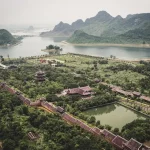
📷 Featured image by Constant Loubier on Unsplash.