On this page
- Da Nang’s Dual Appeal: Where Vietnam’s Coast Meets the Central Highlands
- Neighborhood Guide: From My Khe Sands to Han Market Bustle
- Must-See Attractions: Ba Na Hills, Marble Mountains, and Golden Bridge Glory
- Food Streets and Markets: Dragon Bridge Night Eats to Con Market Morning Pho
- Getting Around: Motorbikes, Grab, and the New Metro Plans
- Day Trip Adventures: Hoi An, Hue, and Mountain Village Escapes
- After Dark: Rooftop Views, Beach Bars, and Dragon Breathing Fire
- Shopping Districts: Han Market Bargains to Vincom Plaza Brands
- Accommodation Areas: Best Areas to Stay by Budget Tier
- Weather and Timing: Seasons, Peaks, and Festival Planning
- Local Know-How: Safety, Customs, and Cultural Navigation
- Daily Budget Reality: Street Food to Five-Star Spending in 2026
- Frequently Asked Questions
Da Nang in 2026 sits at Vietnam’s geographic sweet spot, where pristine beaches meet jungle-covered mountains within a 30-minute drive. While Hanoi drowns in motorbike exhaust and Ho Chi Minh City swelters in concrete heat, this central coast city offers something increasingly rare: breathing room. The completion of the new coastal expressway has made mountain day trips effortless, while the expanded Da Nang International Airport now connects directly to 15 international destinations, making it Vietnam’s true gateway for travelers seeking both relaxation and adventure.
Da Nang’s Dual Appeal: Where Vietnam’s Coast Meets the Central Highlands
Da Nang defies the typical Vietnamese city mold. Instead of cramped alleyways and honking chaos, you’ll find wide boulevards lined with dragon fruit trees and beaches that stretch uninterrupted for 30 kilometers. The city serves as Vietnam’s adventure basecamp, where you can surf My Khe Beach at sunrise and zip-line through Ba Na Hills by lunch.
The Han River cuts through the city center like a liquid highway, crossed by five distinctive bridges including the famous Dragon Bridge that breathes fire every weekend evening. On one side, the beach district pulses with resort energy and seafood restaurants. On the other, the older neighborhoods around Han Market preserve the rhythms of daily Vietnamese life.
What makes Da Nang special is its manageable scale. Unlike Ho Chi Minh City’s overwhelming sprawl, you can bike from the city center to My Khe Beach in 15 minutes. The Marble Mountains rise from suburban neighborhoods like ancient guardians, while the Ba Na Hills hover in the western sky, promising cooler temperatures and French colonial fantasies.
The city’s personality shifts with the light. Dawn brings fishing boats returning to the Han River mouth, their holds sparkling with the night’s catch. By 10 AM, the beach fills with Vietnamese families and foreign tourists claiming patches of sand. Afternoon heat drives everyone into air-conditioned malls or shaded cafes. Evening awakens the riverside promenades, where locals exercise and couples pose for photos against the illuminated bridge spans.

Da Nang’s 2026 infrastructure boom has solved many traveler pain points. The new ring road reduces traffic through the center, while improved drainage systems have largely eliminated the flooding that once plagued rainy season visits. The airport expansion handles crowds more efficiently, and the upcoming metro system will connect major attractions by 2027.
Neighborhood Guide: From My Khe Sands to Han Market Bustle
My Khe Beach District forms Da Nang’s tourist heart, stretching along 6 kilometers of golden sand. This area feels like Miami Beach translated to Vietnamese: high-rise resorts, beachfront bars, and morning joggers sharing the coastal road with delivery scooters. The vibe is international and relaxed, perfect for travelers wanting beach convenience without sacrificing urban amenities.
Vo Nguyen Giap Street runs parallel to the beach, lined with seafood restaurants, massage parlors, and surf shops. Early morning brings vendors selling banh mi and Vietnamese iced coffee to hungover backpackers. The beach itself offers jet ski rentals, parasailing, and beach chairs for 50,000 VND ($2 USD) per day. Weekend evenings transform the area into an outdoor party as local university students join tourists at beachside bars.
Han Market District represents authentic Da Nang, where locals shop for fresh produce and tourists hunt for souvenirs. The covered market building dates to French colonial times, its iron framework echoing Les Halles in Paris. Surrounding streets buzz with motorbike repair shops, tailors, and hole-in-the-wall restaurants serving com tam (broken rice) for 35,000 VND ($1.40 USD).
The Han River East Bank houses Da Nang’s emerging arts quarter. Former warehouse spaces now host galleries, craft beer bars, and fusion restaurants. The area feels like Brooklyn circa 2010, with industrial architecture repurposed for creative industries. Walking along Bach Dang Street at sunset provides the best dragon bridge views, especially from the outdoor terraces of riverside restaurants.
Son Tra Peninsula (Monkey Mountain) offers jungle luxury, where international resort chains have carved boutique properties from protected forest. This area suits travelers seeking seclusion with helicopter transfers available to the city center. The peninsula’s eastern coast features pristine beaches accessible only by resort boat or motorbike.
Thanh Khe District provides the most authentic neighborhood experience, where Vietnamese families live in narrow houses along tree-lined streets. This residential area offers homestays and local guesthouses for travelers wanting to experience daily Vietnamese rhythms. The morning market on Le Duan Street serves the best bun bo Hue outside of Hue itself.
Must-See Attractions: Ba Na Hills, Marble Mountains, and Golden Bridge Glory
Ba Na Hills dominates Da Nang’s attraction landscape like a French fantasy floating in the clouds. The cable car journey up the mountain takes 20 minutes, rising 1,487 meters to a manufactured wonderland of medieval castles and Gothic cathedrals. The famous Golden Bridge, held by giant stone hands, has become Vietnam’s most Instagrammed spot since opening in 2018.
The hill station operates as a complete theme park, with a wax museum, wine cellar, and replica French village. The temperature drops 10 degrees Celsius from the base, making it a perfect escape from coastal heat. Peak season crowds can reach 30,000 visitors daily, so arriving at the 7 AM opening time is essential for tolerable photo opportunities. Cable car tickets cost 750,000 VND ($30 USD) for adults.
The Marble Mountains rise from Da Nang’s southern suburbs like ancient temples. These five limestone peaks house Buddhist pagodas, Hindu shrines, and cave networks carved by centuries of pilgrims. Thuy Son (Water Mountain) offers the most developed tourist infrastructure, with marble staircases leading to Linh Ung Pagoda and the spectacular Am Phu Cave.

Climbing the mountains requires moderate fitness and good shoes, as marble steps become slippery when wet. The view from Vong Hai Dai lookout encompasses the entire Da Nang coastline, from Son Tra Peninsula to the Hoi An rice paddies. Local marble carving villages surround the base, where artisans create everything from tiny elephants to life-sized Buddhas.
My Khe Beach itself deserves attraction status, having been rated among the world’s most beautiful beaches by Forbes magazine. The 6-kilometer stretch offers different personalities: the northern section near the Hyatt serves resort guests with chair service and cocktail delivery. The central area around Vo Nguyen Giap Street attracts backpackers and local families. The southern end near the airport provides the quietest swimming conditions.
The Dragon Bridge performs its fire-breathing show every Saturday and Sunday at 9 PM, drawing thousands of spectators to the Han River banks. The 666-meter span lights up in LED colors before releasing flames from the dragon’s mouth for 15 minutes. The best viewing spots are the Love Lock Bridge and Bach Dang Wharf, though arriving 30 minutes early secures better positions.
Lady Buddha Statue on Son Tra Peninsula stands 67 meters tall, visible from anywhere in central Da Nang. The statue sits within Linh Ung Pagoda, surrounded by gardens and offering panoramic coastal views. The mountain drive takes 30 minutes from the city center, winding through protected forest where red-shanked doucs (endangered monkeys) occasionally appear along the roadside.
Food Streets and Markets: Dragon Bridge Night Eats to Con Market Morning Pho
Da Nang’s food scene revolves around three main areas, each offering distinct dining experiences. The beachfront strip along Vo Nguyen Giap Street specializes in seafood restaurants where you choose live fish, crab, and shrimp from glass tanks. Prices reflect the tourist location, with grilled lobster costing 800,000-1,200,000 VND ($32-48 USD) per kilogram, but the ocean views and fresh preparation justify the premium.

Be Man Seafood Restaurant and Waterfront Restaurant lead the beachfront dining scene, both offering English menus and tourist-friendly service. The morning fishing boat arrivals around 6 AM provide the freshest selections, with restaurants displaying the day’s catch on ice beds. The signature dish is grilled scallops with peanuts and crispy rice paper, creating textures that crunch and melt simultaneously.
Han Market’s surrounding streets create Da Nang’s street food epicenter. The covered market opens at 4 AM with vendors preparing fresh noodle soups for breakfast crowds. Mrs. Hanh’s Cao Lau stall on the market’s eastern edge serves the region’s most famous noodle dish, available only in central Vietnam due to the specific well water used in preparation. Her version costs 25,000 VND ($1 USD) and includes thick rice noodles, char siu pork, and fresh herbs.
Con Market operates as the locals’ alternative to touristy Han Market, located 2 kilometers inland along Ong Ich Khiem Street. This working-class market opens at 4:30 AM with some of Da Nang’s best breakfast options. The pho bo stalls here serve bowls for 35,000 VND ($1.40 USD) with portions double the size of tourist area restaurants. The broth simmers for 24 hours, creating depths of flavor that reveal why Vietnamese consider pho a morning ritual rather than just soup.
Evening brings night market energy to the Dragon Bridge area. Temporary stalls set up along Tran Hung Dao Street from 6 PM, selling everything from grilled corn (15,000 VND / $0.60 USD) to nem lui (grilled pork skewers wrapped in rice paper with fresh herbs). The atmosphere builds toward the 9 PM bridge show, with vendors knowing their peak sales window.

Bach Dang Wharf transforms into an outdoor dining room after sunset, where seafood restaurants place plastic tables directly on the sidewalk. The setting lacks elegance but delivers on authentic atmosphere and prices. A mixed seafood hotpot serves 4 people for 600,000 VND ($24 USD), including beer and vegetables. The sound of motorbikes and river traffic provides soundtrack to meals that stretch past midnight.
For upscale dining, the Han River East Bank offers rooftop restaurants with bridge views. Sky36 Restaurant occupies the 36th floor of Novotel Danang Premier Han River, serving fusion Vietnamese cuisine with prices matching the altitude. The sunset viewing experience costs 1,500,000-2,500,000 VND ($60-100 USD) per person but includes some of Vietnam’s most sophisticated cooking and unobstructed city views.
Getting Around: Motorbikes, Grab, and the New Metro Plans
Da Nang’s transportation landscape changed dramatically in 2026 with the launch of the smart city traffic management system. Traffic lights now sync with real-time flow data, reducing the stop-and-go chaos that plagued previous years. The new coastal ring road diverts through traffic, making the beach district more walkable and less polluted.
Motorbike rental remains the most flexible option for exploring Da Nang and surrounding attractions. Automatic scooters cost 120,000-150,000 VND ($5-6 USD) per day, with international driving permits now accepted at all major rental shops. The city’s flat terrain and wide streets make scooter driving less intimidating than Hanoi’s chaotic Old Quarter. Parking costs 5,000-10,000 VND ($0.20-0.40 USD) at most attractions.
Grab dominates the ride-hailing market, with cars and motorbikes available through the app. A GrabCar from the airport to My Khe Beach costs 80,000-120,000 VND ($3.20-4.80 USD) depending on surge pricing. GrabBike provides the quickest option for short trips, with rides across the city center averaging 25,000-40,000 VND ($1-1.60 USD). The app’s GPS tracking eliminates the communication barriers that complicate traditional taxis.

The new Da Nang Bus Rapid Transit system launched its first phase in 2026, connecting the airport to downtown with dedicated lanes that bypass traffic congestion. The air-conditioned buses run every 10 minutes during peak hours, with tickets costing 15,000 VND ($0.60 USD). Route maps in English and Vietnamese make navigation simple for international visitors.
Airport transfers offer several options beyond Grab. The Vietnam Airlines shuttle bus costs 40,000 VND ($1.60 USD) and stops at major hotels along the beach strip. Private car services arranged through hotels typically cost 200,000-300,000 VND ($8-12 USD), including English-speaking drivers who double as informal city guides.
Cycling gained popularity with the 2026 opening of protected bike lanes along the Han River and beach roads. Bike rental shops near My Khe Beach charge 50,000-80,000 VND ($2-3.20 USD) per day for basic city bikes. The flat coastal terrain and morning beach breeze create ideal cycling conditions, though afternoon heat makes two-wheeled transport less appealing.
Walking works well within specific districts but Da Nang’s spread-out nature requires motorized transport for attraction-hopping. The beach area provides good pedestrian infrastructure, with shaded sidewalks and pedestrian crossings at major intersections. The heat index frequently exceeds comfortable walking temperatures between 11 AM and 4 PM.
Day Trip Adventures: Hoi An, Hue, and Mountain Village Escapes
Hoi An sits 30 kilometers south of Da Nang, reachable by motorbike, bus, or private car within 45 minutes. This UNESCO World Heritage town preserves Vietnam’s most intact historical architecture, with Japanese covered bridges, Chinese clan houses, and French colonial mansions lining lantern-lit streets. The ancient town charges a 120,000 VND ($4.80 USD) entry fee that covers five historic sites and traditional performances.
The journey to Hoi An follows coastal Highway 1A through fishing villages and rice paddies. Public buses depart from Da Nang’s central bus station every 30 minutes for 30,000 VND ($1.20 USD), while private car tours cost 800,000-1,200,000 VND ($32-48 USD) for full-day experiences including lunch and shopping time. Morning departures avoid afternoon crowds and heat, with return trips timed for Hoi An’s famous lantern festival atmosphere after dark.

Hue requires a full day commitment, located 100 kilometers north via the scenic Hai Van Pass. The former imperial capital houses Vietnam’s most elaborate palace complex, with the Forbidden Purple City occupying 6 square kilometers within the larger Imperial Citadel. Entry tickets cost 200,000 VND ($8 USD) and cover the royal tombs scattered along the Perfume River.
The Hai Van Pass drive provides one of Southeast Asia’s most dramatic coastal views, climbing 500 meters above sea level through 21 hairpin turns. The new Hai Van Tunnel offers faster access but eliminates the spectacular scenery. Motorcycle tours typically include stops at Elephant Springs waterfall and abandoned French bunkers with panoramic Da Nang Bay views.
Ba Den Mountain offers easier mountain access than Ba Na Hills, located 25 kilometers west of Da Nang city center. This sacred peak houses several Buddhist temples reached by hiking trails through protected forest. The 3-hour round trip hike rewards climbers with views spanning from the South China Sea to the Laotian border mountains. Local guides cost 300,000 VND ($12 USD) and provide cultural context for temple visits.
My Son Sanctuary preserves Vietnam’s most important Cham ruins, representing 1,000 years of Hindu kingdom culture. Located 60 kilometers southwest of Da Nang, this UNESCO site requires a full day visit to appreciate the temple complex’s scale and historical significance. The ruins span multiple valleys, with restoration work revealing intricate carvings dedicated to Shiva and Vishnu.
Phong Nha-Ke Bang National Park pushes day trip limits at 160 kilometers north, but adventurous travelers can experience Vietnam’s most spectacular cave systems in extended day tours. Paradise Cave and Dark Cave offer different experiences: Paradise showcases massive stalactite formations accessible by wooden walkways, while Dark Cave provides adventure caving with mud baths and zip lines.

Bach Ma National Park provides mountain escape 50 kilometers northwest of Da Nang, where French hill station ruins hide among cloud forest. The park’s highest peak reaches 1,444 meters elevation, creating cool temperatures and misty landscapes. Multiple waterfalls including Do Quyen Fall provide swimming opportunities in mountain pools. The access road challenges motorbikes with steep gradients and sharp curves.
After Dark: Rooftop Views, Beach Bars, and Dragon Breathing Fire
Da Nang’s nightlife centers around three distinct zones, each catering to different crowd preferences. The My Khe Beach strip attracts international tourists and young Vietnamese with beachfront bars, live music venues, and late-night seafood restaurants. The atmosphere builds throughout the evening, peaking around midnight when the last restaurants serve grilled seafood to post-party crowds.
Bamboo 2 Bar leads the beach nightlife scene, occupying a prime beachfront location with sand-floor seating and fire shows. The venue transforms from sunset cocktail spot to dancing destination as DJs replace acoustic sets around 10 PM. Drinks cost 80,000-150,000 VND ($3.20-6 USD), competitive with Bangkok beach bar pricing but with significantly less crowding.
The Han River East Bank houses Da Nang’s sophisticated drinking scene, where rooftop bars compete for the best dragon bridge views. Sky Bar on the 21st floor of the Novotel Han River offers the premier viewing experience, with craft cocktails costing 200,000-300,000 VND ($8-12 USD). The venue opens at 5 PM for sunset cocktails and maintains elegant atmosphere throughout the evening.
Golden Pine Pub draws local university students and English teachers with craft beer selections and live music performances. The venue features local bands performing Vietnamese indie rock and covers of Western hits. Beer costs 60,000-90,000 VND ($2.40-3.60 USD) per bottle, with happy hour specials from 6-8 PM. The crowd skews younger and more local than tourist-focused venues.

Weekend evenings bring the Dragon Bridge fire show crowds to Bach Dang Wharf, creating impromptu street party atmosphere. Local vendors sell beer and snacks while motorbikes park three-deep along the riverfront. The 15-minute show at 9 PM draws up to 10,000 spectators, followed by dragon boat races and cultural performances during festival seasons.
Con Market transforms into a night market maze after 8 PM, with beer halls serving fresh draught for 15,000 VND ($0.60 USD) per glass. The local drinking culture revolves around sharing large bottles and small talk about motorbike mechanics and football. These venues close by midnight but provide authentic interaction with working-class Da Nang residents.
Karaoke remains essential to Vietnamese nightlife, with elaborate KTV complexes offering private rooms for groups. New Phuong Dong KTV near Han Market provides English song selections and room rates starting at 200,000 VND ($8 USD) per hour. The Vietnamese approach to karaoke emphasizes group participation over vocal quality, creating inclusive atmosphere for international visitors.
Late-night street food extends evening entertainment, with banh trang nuong (grilled rice paper) vendors operating until 2 AM along Tran Hung Dao Street. These mobile kitchens prepare custom combinations of quail eggs, dried shrimp, and herbs on crispy rice paper for 25,000 VND ($1 USD) per serving. The social aspect of choosing ingredients and watching preparation provides interactive entertainment.
Shopping Districts: Han Market Bargains to Vincom Plaza Brands
Han Market anchors Da Nang’s shopping scene with three floors of vendors selling everything from silk scarves to dried seafood. The ground floor specializes in fresh produce and prepared foods, while upper levels house textile vendors, souvenir sellers, and electronics stalls. Bargaining is expected, with opening prices typically 50% above reasonable final costs. The market operates from 4 AM to 10 PM daily.

The textile section offers custom tailoring services with 24-48 hour turnaround times. Ao dai (traditional Vietnamese dress) costs 800,000-1,500,000 VND ($32-60 USD) including fabric and fitting sessions. Western clothing alterations cost significantly less than home country prices, making Han Market popular with travelers extending their stay for wardrobe upgrades.
Vincom Plaza Da Nang brings international retail brands to central Vietnam, occupying a modern complex near the dragon bridge. The mall features familiar names like Uniqlo, Nike, and Zara alongside Vietnamese fashion brands and technology stores. Air conditioning provides relief from street heat, while the food court serves international cuisine options for homesick travelers.
Con Market targets local shoppers with wholesale prices on household goods, clothing, and electronics. International visitors find better deals here on items like motorbike helmets (150,000-300,000 VND / $6-12 USD), rain gear, and basic clothing. The atmosphere feels authentically Vietnamese without tourist markup pricing.
Bach Dang Wharf weekend night market operates Friday through Sunday evenings, specializing in handicrafts, art, and food stalls. Local artists sell paintings of Ha Long Bay and Hoi An scenes for 200,000-800,000 VND ($8-32 USD), while craft vendors offer hand-woven textiles and carved wooden items. The market combines shopping with entertainment as street performers and musicians create festival atmosphere.
Marble carving villages near the Marble Mountains produce Da Nang’s most distinctive souvenirs. Multi-generational artisan families create everything from miniature elephants (50,000 VND / $2 USD) to life-sized statues requiring shipping arrangements. The villages of Dong Hai and Non Nuoc offer factory visits where travelers observe the carving process and commission custom pieces.
Lotte Mart provides Western-style supermarket shopping with international brands, imported foods, and household goods. The store serves long-stay travelers needing familiar products like peanut butter, breakfast cereals, and toiletries. Prices reflect import costs but convenience justifies the premium for items unavailable in local markets.
Beach vendor shopping offers convenience but limited selection and inflated prices. Massage services cost 150,000-250,000 VND ($6-10 USD) for hour-long sessions, while fresh fruit plates range from 50,000-80,000 VND ($2-3.20 USD). Negotiation is possible but savings are modest compared to walking inland to local establishments.
Accommodation Areas: Best Areas to Stay by Budget Tier
My Khe Beach District offers accommodation density and variety, from backpacker hostels to international resort chains. The beachfront location provides immediate ocean access but comes with higher prices and tourist-focused services. This area suits travelers prioritizing beach convenience and international amenities over authentic Vietnamese experience.
Budget options ($10-25 USD per night) include Hoang Trinh Hotel and Mai Villa Backpacker, both offering air conditioning, hot water, and English-speaking staff within 200 meters of the beach. Dorm beds in shared accommodations cost 250,000-400,000 VND ($10-16 USD) per night, while private rooms range from 500,000-650,000 VND ($20-26 USD). These properties provide motorbike rental, tour booking, and laundry services targeting independent travelers.
Mid-range hotels ($30-80 USD per night) dominate the beach strip, offering swimming pools, breakfast buffets, and ocean views. Fusion Maia Resort provides all-inclusive spa services, while Hyatt Regency Danang offers championship golf course access. These properties include 750,000-2,000,000 VND ($30-80 USD) per night with amenities like private balconies, concierge services, and shuttle transportation.
Luxury resorts ($150-500 USD per night) occupy prime beachfront locations with extensive facilities and personalized service. InterContinental Danang Sun Peninsula Resort sits on Son Tra Peninsula, offering helicopter transfers and private beach access. Room rates start at 3,750,000 VND ($150 USD) per night but include gourmet dining, spa treatments, and exclusive experiences like private yacht charters.
Han Market area provides authentic neighborhood experiences with lower accommodation costs and better local food access. This central location offers walking access to markets, temples, and riverside dining while remaining 10 minutes from the beach by motorbike.
Budget accommodations near Han Market include family-run guesthouses and small hotels charging 300,000-500,000 VND ($12-20 USD) per night. These properties may lack swimming pools and fancy lobbies but provide clean rooms, helpful staff, and proximity to authentic Vietnamese street life. Memory Hotel and Thanh Lich Hotel represent quality options in this category.
Boutique hotels in the Han River East Bank target travelers seeking design-focused accommodations with cultural authenticity. Properties like Sala Danang Beach Hotel combine contemporary architecture with Vietnamese artistic elements. Rates range from 1,250,000-2,500,000 VND ($50-100 USD) per night, including rooftop terraces, art galleries, and curated local experiences.
Son Tra Peninsula accommodations offer jungle luxury for travelers seeking seclusion and nature immersion. These exclusive resorts provide private beach access, spa treatments, and guided wildlife tours. Transportation to city center attractions requires 30-45 minutes, making this area suitable for resort-focused stays rather than exploration-heavy itineraries.
Weather and Timing: Seasons, Peaks, and Festival Planning
Da Nang’s tropical climate divides into distinct wet and dry seasons, with timing significantly affecting travel experiences and costs. The dry season (December through April) provides the most comfortable temperatures and minimal rainfall, making it peak tourist season with corresponding price increases and crowd levels.
December through February offers the most pleasant weather conditions, with daytime temperatures averaging 22-26°C and minimal humidity. Ocean temperatures remain comfortable for swimming, while mountain day trips enjoy crisp air and clear visibility. This period sees the highest accommodation rates and requires advance bookings, particularly around Christmas and Tet holidays.
March and April transition into hotter weather with temperatures reaching 30-35°C, but rainfall remains minimal. Beach activities become more appealing as inland exploration grows uncomfortable during midday hours. This shoulder season offers moderate pricing and smaller crowds while maintaining favorable weather conditions.
The rainy season (May through November) brings dramatic afternoon thunderstorms, high humidity, and occasional typhoons. However, morning hours often provide clear skies and comfortable temperatures for sightseeing. Accommodation rates drop significantly, and attractions feel less crowded. The rain typically arrives predictably around 2-4 PM, allowing morning beach time and afternoon shelter planning.
Tet Festival (Vietnamese New Year) occurs between late January and mid-February, bringing both cultural experiences and logistical challenges. Local families return home, creating festive atmosphere but also closing many restaurants and services. Hotels may require minimum stays and charge premium rates, while transportation becomes more limited and expensive.
The Mid-Autumn Festival in September or October creates special atmosphere with lantern displays throughout the city, particularly beautiful along the Han River. The Dragon Bridge performs extended shows, and local markets sell traditional mooncakes and festival foods. Weather during this period can be unpredictable with potential typhoon activity.
Monsoon season (September through November) brings the heaviest rainfall and potential flight delays, but also creates dramatic cloudy mountain scenery and swollen waterfalls. Budget travelers can find significant accommodation deals, though some outdoor activities become impossible during storm periods.
Summer months (June through August) feature the hottest temperatures, often exceeding 35°C with high humidity. Beach activities become essential for cooling off, while mountain destinations like Ba Na Hills provide relief from coastal heat. Early morning and late afternoon timing becomes crucial for outdoor exploration.
Local Know-How: Safety, Customs, and Cultural Navigation
Da Nang operates as one of Vietnam’s safest cities for international travelers, with violent crime against tourists being extremely rare. The main safety concerns involve traffic accidents, petty theft, and overcharging at tourist-oriented businesses. Basic precautions and cultural awareness prevent most problems while enhancing interactions with local residents.
Traffic poses the primary safety challenge, with motorbikes dominating streets that often lack clear lane markings. Crossing streets requires patience and predictable movement – locals watch for consistent walking pace rather than sudden stops or direction changes. Wearing helmets on motorbikes is mandatory with 200,000 VND ($8 USD) fines, though enforcement varies by location.
Petty theft typically involves distraction techniques at tourist attractions and beaches. Keeping valuables in hotel safes, avoiding flashy jewelry, and maintaining awareness in crowded areas prevents most incidents. The beach poses risks for unattended belongings, but vendors often watch tourists’ items for small tips (20,000-50,000 VND / $0.80-2 USD).
Overcharging affects tourists at markets, taxi rides, and restaurant bills. Learning basic Vietnamese numbers helps identify inflated prices, while using ride-sharing apps eliminates taxi meter manipulation. At markets, comparing prices between vendors and walking away from initial quotes often results in fair pricing.
Cultural sensitivity enhances experiences and shows respect for local customs. Removing shoes when entering homes and temples, dressing modestly at religious sites, and avoiding public displays of affection demonstrate cultural awareness. Many Vietnamese appreciate simple greetings in Vietnamese, with “xin chao” (hello) opening friendly interactions.
Language barriers decrease in tourist areas where English signage and basic English skills are common. However, learning key phrases like “cam on” (thank you), “bao nhieu tien” (how much money), and “khong hieu” (don’t understand) improves communication and generates positive responses from locals.
Tipping practices in Da Nang follow relaxed guidelines compared to Western expectations. Restaurants may include service charges, but leaving 50,000-100,000 VND ($2-4 USD) for good service is appreciated. Massage therapists and tour guides expect similar amounts, while taxi drivers and motorbike taxis appreciate rounding up to the nearest 10,000 VND increment.
Water safety requires attention, with bottled water recommended for drinking and ice avoidance at street stalls. Most hotels and restaurants use filtered water for ice, but street vendors may not follow the same standards. Stomach sensitivity varies among travelers, with gradual introduction to local foods reducing digestive issues.
Electrical outlets use Type A, C, and G plugs with 220V current. Most hotels provide universal adapters, but bringing personal adapters ensures device compatibility. Power outages occur occasionally during storm season, making portable battery banks useful for phone charging during extended outages.
Daily Budget Reality: Street Food to Five-Star Spending in 2026
Da Nang’s 2026 pricing reflects Vietnam’s economic growth while remaining significantly cheaper than neighboring Thailand or regional destinations like Bali. Budget calculations depend heavily on accommodation choices and dining preferences, with street food costs unchanged while resort dining approaches international prices.
Budget Travel (500,000-800,000 VND / $20-32 USD per day):
- Accommodation: Hostel dorm or basic guesthouse (250,000-400,000 VND / $10-16 USD)
- Food: Street food and local restaurants (150,000-250,000 VND / $6-10 USD)
- Transportation: Motorbike rental or local buses (100,000-150,000 VND / $4-6 USD)
- Attractions: Free beaches, markets, temple visits (50,000-100,000 VND / $2-4 USD)
This budget covers basic accommodation with air conditioning, three street food meals including morning pho (35,000 VND), lunch banh mi (25,000 VND), and dinner com tam (45,000 VND), plus motorbike rental for local transportation. Activities focus on free attractions like beaches, markets, and temple visits.
Mid-Range Travel (1,250,000-2,500,000 VND / $50-100 USD per day):
- Accommodation: Beach hotel with pool and breakfast (750,000-1,500,000 VND / $30-60 USD)
- Food: Mix of local restaurants and tourist venues (300,000-600,000 VND / $12-24 USD)
- Transportation: Grab rides and day trip tours (200,000-400,000 VND / $8-16 USD)
- Attractions: Ba Na Hills, marble mountains, cultural sites (200,000-400,000 VND / $8-16 USD)
Mid-range budgets allow beachfront hotels with swimming pools, restaurant meals with English menus, convenient transportation, and major attraction visits including Ba Na Hills cable car tickets. This tier provides comfort and convenience while maintaining reasonable costs.
Luxury Travel (3,750,000+ VND / $150+ USD per day):
- Accommodation: Five-star resort with spa and premium location (2,500,000-7,500,000 VND / $100-300 USD)
- Food: Resort dining and upscale restaurants (750,000-1,500,000 VND / $30-60 USD)
- Transportation: Private cars and premium transfers (250,000-500,000 VND / $10-20 USD)
- Attractions: VIP experiences and private tours (500,000-1,250,000 VND / $20-50 USD)
Luxury spending covers premium resorts, fine dining experiences, private transportation, and exclusive activities like helicopter tours or private yacht charters. This level provides resort lifestyle with minimal interaction with local pricing structures.
Specific Cost Examples (2026 prices):
- Local pho bo: 35,000 VND ($1.40 USD)
- Tourist restaurant seafood dinner: 400,000-800,000 VND ($16-32 USD)
- Ba Na Hills cable car: 750,000 VND ($30 USD)
- Motorbike rental per day: 120,000-150,000 VND ($5-6 USD)
- Airport to beach Grab ride: 80,000-120,000 VND ($3.20-4.80 USD)
- Beer at local bar: 25,000-40,000 VND ($1-1.60 USD)
- Beach massage: 200,000-300,000 VND ($8-12 USD)
- Marble Mountains entry: 40,000 VND ($1.60 USD)
Additional costs to consider include visa fees (25 USD for 30-day tourist visa), travel insurance, and international flight connections. ATM withdrawals incur fees of 50,000-100,000 VND ($2-4 USD) per transaction, making larger withdrawals more economical than frequent small amounts.
Frequently Asked Questions
How many days should I spend in Da Nang?
Three to five days allows time for major attractions, beach relaxation, and day trips to Hoi An or Ba Na Hills. Longer stays suit travelers using Da Nang as a base for exploring central Vietnam, including Hue and Phong Nha cave systems.
Is Da Nang safe for solo female travelers?
Da Nang is very safe for solo female travelers, with low crime rates and helpful local attitudes toward tourists. Basic precautions like avoiding isolated areas at night and keeping valuables secure apply as in any destination.
What’s the best way to get from Da Nang to Hoi An?
Public buses run every 30 minutes for 30,000 VND ($1.20 USD), while motorbike rentals offer flexibility for 120,000 VND ($5 USD) per day. Private cars cost 800,000-1,200,000 VND ($32-48 USD) for day tours including waiting time.
Can I drink tap water in Da Nang?
Bottled water is recommended for drinking, though tap water is safe for brushing teeth and showering. Most hotels use filtered water for ice, but street vendors may not follow the same standards for ice production.
What should I pack for Da Nang weather?
Pack lightweight, breathable clothing, strong sunscreen, rain jacket for wet season visits, and comfortable walking shoes. Modest clothing is required for temple visits, while beach wear should be confined to coastal areas.
Explore more
Where to Eat in Da Nang? Your Ultimate Guide to Restaurants, Street Food & Local Delights
Your Guide to the Best Shopping in Da Nang: Markets, Malls & Must-Buy Souvenirs
Da Nang Essentials: Your Go-To Guide for Getting Around, Budgeting & Planning
Where to Go Out in Da Nang? Your Ultimate Guide to Nightlife & After-Dark Fun
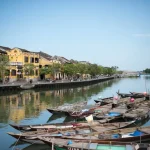
📷 Featured image by Melissa Kumaresan on Unsplash.