What the Green Season Actually Means in May
May sits in an awkward spot on Vietnam’s travel calendar. Most international booking platforms still flag it as “shoulder season” or bundle it into vague “avoid the rain” warnings, which causes travellers to skip it entirely — often missing some of the country’s most vivid, uncrowded, and affordable weeks of the year. If you are planning a May 2026 trip and wondering whether the rain will ruin everything, the honest answer is: it depends entirely on where you go, and rain in Vietnam rarely means what travellers from temperate climates expect it to mean.
Vietnam is a long country — over 1,600 kilometres from north to south — and its climate does not behave as one unit. May marks the beginning of the southwest monsoon, but that monsoon hits different regions at different times and with very different character. In the south, May is genuinely rainy: Ho Chi Minh City and the Mekong Delta receive regular afternoon downpours that cool the air and clear quickly. In central Vietnam, May is actually one of the driest and hottest months — cities like Hoi An and Da Nang bake in intense sunshine before the central rainy season arrives later in the year. In the north, May brings warm, humid weather with occasional showers, but nothing like the sustained rainfall of July and August.
What “green season” actually delivers is this: lush landscapes, full rice paddies, fewer tourist crowds at major sites, lower accommodation prices, and that particular atmosphere of a country going about its daily life rather than performing for peak-season visitors. The terraced rice fields of Sapa and Ha Giang look their most dramatic when freshly flooded in May. The forests along the Ho Chi Minh Road turn a deep, saturated green. Waterfalls that are trickles in February run full and loud.
Where to Go: Regional Breakdown for May Travel
Choosing the right part of Vietnam in May makes the difference between a frustrating trip and a genuinely great one. Here is how each major region behaves in May and what that means practically.
Central Vietnam — The Unexpected Sweet Spot
Hoi An, Da Nang, Hue, and the stretch of coast between them are at their best in May. The weather is hot — expect 32 to 36 degrees Celsius — but the sky is blue, the sea is calm, and the central beaches are fully swimmable. This is before the typhoon season touches the coast and before the central rainy season arrives. My Khe Beach in Da Nang is genuinely pleasant in May, and Hoi An’s ancient town is significantly less crowded than in December or January. If beach time is a priority, central Vietnam in May is the answer.
The North — Highlands and Ha Long
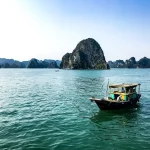
Hanoi in May is hot and sticky, typically 28 to 33 degrees Celsius, with occasional thunderstorms. The city is manageable but sweaty. The real May magic in the north is in the highlands. Sapa’s rice terraces are being flooded and planted — a vivid, working landscape. Ha Giang’s mountain roads are lush and relatively quiet compared to the October rush. Ha Long Bay cruises operate normally in May, and while some misty days occur, the dramatic karst scenery actually benefits from low cloud and moody light. Visibility is fine; the aesthetic is just different from the postcard winter shots.

The South — Work With the Rain, Not Against It
Ho Chi Minh City, the Mekong Delta, and Phu Quoc Island enter their wet season in May. On Phu Quoc, May marks the start of lower tourist season — prices drop noticeably, but some beach areas on the west coast can see rougher surf. The east coast beaches on Phu Quoc remain calmer. The Mekong Delta in May is green and productive, excellent for boat trips through the waterways when water levels are rising. Ho Chi Minh City functions perfectly well year-round; the rain is a daily inconvenience, not a travel-stopper.
What to Pack and Wear
Packing for May in Vietnam requires thinking about heat and rain simultaneously, which most packing lists handle badly.
- Footwear: Leather sandals or closed shoes that cannot be waterproofed are a mistake. A pair of quick-dry sandals or waterproof walking shoes is the most practical choice. Flip-flops work fine in beach towns but not for temple visits or cobblestone streets in the rain.
- Clothing: Lightweight, fast-drying fabrics only. Cotton feels comfortable but stays wet for hours after a shower. Linen blends or synthetic-mix fabrics dry in 30 to 60 minutes. Pack light layers — air conditioning in Vietnamese restaurants, buses, and malls is often set aggressively cold, particularly in the south.
- Rain gear: A compact umbrella fits in any bag and is the correct tool for Vietnamese rain. A full rain jacket is overkill for city travel. If you are doing motorbike touring or trekking, a lightweight packable rain jacket matters more.
- Sun protection: May is intensely sunny in central Vietnam and still strong in the north. SPF 50 sunscreen, a wide-brim hat, and UV-blocking sunglasses are not optional in Da Nang or Hoi An.
- A dry bag or waterproof pouch: Essential for protecting your phone and passport on rainy days, especially on boat trips or motorbike rides.

2026 Budget Reality: What May Travel Actually Costs
May is genuinely one of the more affordable months to travel in Vietnam, particularly in destinations like Phu Quoc, Ha Long Bay, and Hoi An where high-season pricing eases off. Here is a realistic picture of what to budget in 2026.
Accommodation
- Budget (hostel dorm or basic guesthouse): 150,000–300,000 VND per night (approximately USD 6–12)
- Mid-range (comfortable hotel, private room with AC): 500,000–1,200,000 VND per night (approximately USD 20–48)
- Comfortable (4-star hotel or boutique property): 1,500,000–3,500,000 VND per night (approximately USD 60–140)
Food
- Street food and local restaurants: A bowl of pho, bun bo Hue, or com tam with a drink costs 40,000–80,000 VND (USD 1.60–3.20)
- Mid-range restaurant meal: 150,000–350,000 VND per person (USD 6–14)
- Upscale dining: 500,000–1,200,000 VND per person (USD 20–48)
Transport
- Grab motorbike ride within a city (5 km): approximately 25,000–45,000 VND (USD 1–1.80)
- Sleeper bus between cities: 150,000–350,000 VND (USD 6–14)
- Domestic flight (booked 4–6 weeks ahead): 500,000–1,500,000 VND one way (USD 20–60)
Overall daily budget for a comfortable independent traveller in May 2026 — covering accommodation, three meals, transport, and a few activities — sits around 800,000 to 1,500,000 VND per day (approximately USD 32–60). Travellers staying in budget accommodation and eating locally can manage on considerably less.
Festivals and Cultural Moments in May
May is not Vietnam’s busiest festival month, but it holds some culturally significant dates worth knowing about.
Buddha’s Birthday (Phật Đản) falls on the 15th day of the fourth lunar month, which typically lands in May. In 2026 this will occur in mid-May. Pagodas across the country hold ceremonies, lanterns are released, and in cities like Hue — historically the country’s religious centre — the atmosphere around major temples is genuinely moving. The scent of incense hangs thick in the air, monks in saffron robes move through temple courtyards, and altars are decorated with fresh flowers and candlelight. Non-Buddhist visitors are generally welcome to observe respectfully.

Hue Festival is a major arts and culture biennial that has historically occurred in even years, drawing performers, exhibitions, and cultural events to the old imperial city. Verify the 2026 schedule locally as dates shift, but if the festival falls during your May window, Hue becomes a genuinely compelling detour. The city’s royal tombs, the Citadel, and the Perfume River all take on a different character when the city is in festival mode.
Beyond formal festivals, May in the rice-growing regions carries its own quiet ritual. The flooded terraces of the north — particularly around Mu Cang Chai — reflect the sky in the mornings, creating a mirror landscape that photographers travel specifically to capture. Walking through villages in these areas during planting season puts you in the middle of something that has happened for centuries.
Outdoor Activities That Shine in May
The green season does not close Vietnam’s outdoor scene — it reshapes it. Some activities become more interesting, not less.
Trekking in the Northern Highlands
The trails around Sapa, Bac Ha, and Ha Giang are lush and cool enough in May for comfortable trekking. Mist rolls through valleys in the mornings and the trail edges are thick with wildflowers. The ground can be muddy in places after rain, but proper footwear handles this easily. Hiring a local guide — particularly an ethnic minority guide from the villages — adds depth that independent trekking cannot replicate. The conversations over a meal in a homestay after a long trail day are one of the best experiences Vietnam offers, full stop.

Coastal Water Sports in Central Vietnam
Da Nang and Hoi An’s beaches in May offer genuinely good swimming and, on clear days, excellent conditions for stand-up paddleboarding and kayaking. The sea temperature is warm — around 27 to 28 degrees Celsius — and the pre-typhoon season water is clear. Cham Island (Cu Lao Cham), a short boat ride from Hoi An, has some of the best snorkelling conditions of the year in May, when visibility in the water is high and boat traffic from tourist groups is lower than peak season.
Mekong Delta Boat Trips
Rising water levels in May make the Mekong Delta waterways more navigable and more dramatic. Floating markets are active early in the morning — arriving by 6 AM at Cai Rang market near Can Tho puts you on the water while vendors are still negotiating over boats loaded with dragon fruit, pomelo, and river fish. The slap of water against wooden hulls, the calls between traders, and the smell of diesel mixed with tropical fruit is as vivid as Vietnam gets.
Cycling the Ho Chi Minh Road
The historic Ho Chi Minh Road running through the central highlands and mountain passes is at its most scenic in May. Cyclists travelling this route in the green season pass through tunnels of bamboo and jungle canopy that are completely absent in the dry months. Traffic is lighter than the coast road, and the villages along the route offer basic but authentic homestay accommodation.
Frequently Asked Questions
Is May a good time to visit Vietnam overall?
Yes, particularly for central Vietnam, the northern highlands, and budget-conscious travellers. Central beaches like Da Nang and Hoi An are at peak condition in May. The north is lush and uncrowded. The south manages with predictable afternoon rain. It is not the easiest month, but for the right itinerary, May is excellent value and genuinely rewarding.

Will the rain in May ruin a beach holiday?
In the south, possibly — Phu Quoc and the southern coast enter wet season in May and some beach days will be overcast or rough. In central Vietnam, the answer is no: Da Nang and Hoi An beaches are typically sunny and calm in May. Choose central Vietnam for a beach-focused May trip and the weather plays in your favour.
How hot does Vietnam get in May?
Very hot in central Vietnam, where temperatures reach 34 to 36 degrees Celsius. Hanoi runs 28 to 33 degrees Celsius with humidity. Ho Chi Minh City sits around 32 to 35 degrees Celsius. The northern highlands, including Sapa, are cooler at 18 to 25 degrees Celsius, making them a relief if intense heat is not your preference.
Do I need to book accommodation further ahead for May travel?
May is lower season in most of Vietnam, so last-minute bookings are more feasible than in December or January. That said, popular homestays in Sapa, Ha Giang, or small guesthouses in Hoi An’s old town can still fill up on weekends. Booking accommodation 2 to 3 weeks ahead gives you enough flexibility without the stress of showing up with nothing confirmed.
Is it safe to travel Vietnam during the rainy season?
Yes. Vietnam’s May rain is overwhelmingly normal tropical rainfall — heavy but brief, predictable, and manageable. Serious weather events are rare in May compared to peak typhoon months later in the year. Standard precautions apply: avoid motorbike riding in heavy rain, be cautious near flooded street sections in cities, and check local conditions before trekking in remote highland areas after prolonged rain.
Explore more
Making the Most of Your May 2026 Vietnam Trip: Tips for Warm Weather Travel
Celebrate Buddha’s Birthday in Vietnam: Your May 2026 Guide
Comfortable Exploration: Navigating Vietnam’s Cities in April 2026
📷 Featured image by Toomas Tartes on Unsplash.