On this page
- Phu Quoc’s Hidden Character Beyond Resort Life
- Pepper Farm Exploration: From Vine to Spice
- Temple Hopping: Sacred Sites Across the Island
- Chasing Waterfalls in Phu Quoc’s Interior
- Local Food Adventures Beyond Seafood
- Getting There and Around in 2026
- Practical Planning Tips
- Budget Breakdown for Island Adventures
- Frequently Asked Questions
💰 Click here to see Vietnam Budget Breakdown
💰 Prices updated: October, 2026. Budget figures are estimates — always verify before travel.
Exchange Rate: $1 USD = ₫25,964.41
Daily Budget (per person)
Shoestring: ₫650,000 – ₫1,550,000 ($25.03 – $59.70)
Mid-range: ₫1,800,000 – ₫3,900,000 ($69.33 – $150.21)
Comfortable: ₫5,200,000 – ₫9,100,000 ($200.27 – $350.48)
Accommodation (per night)
Hostel/guesthouse: ₫120,000 – ₫350,000 ($4.62 – $13.48)
Mid-range hotel: ₫780,000 – ₫1,850,000 ($30.04 – $71.25)
Food (per meal)
Budget meal: ₫60,000.00 ($2.31)
Mid-range meal: ₫250,000.00 ($9.63)
Upscale meal: ₫800,000.00 ($30.81)
Transport
Single metro/bus trip: ₫10,000.00 ($0.39)
Monthly transport pass: ₫300,000.00 ($11.55)
While most visitors to Phu Quoc never venture beyond the pristine beaches and luxury resorts, the island’s interior holds Vietnam’s most accessible collection of working pepper farms, centuries-old temples, and jungle waterfalls. In 2026, new improved roads and clearer signage make exploring these inland attractions easier than ever, yet surprisingly few tourists make the effort to discover what locals have always known about their island home.
Phu Quoc’s Hidden Character Beyond Resort Life
Phu Quoc stretches 50 kilometres North to south, but most development clusters along the western beaches. The eastern two-thirds remain largely agricultural and forested, home to traditional villages where fishing families have lived for generations alongside pepper farmers who arrived in the early 1900s. This divide creates two distinct experiences: the polished resort zone and the working island where water buffalo still plough fields and elderly women sort peppercorns by hand on woven mats.
The island’s interior reveals rolling hills covered in eucalyptus and cashew plantations, punctuated by Buddhist temples that serve local communities rather than tour groups. Small streams cascade down rocky outcrops during the wet season, creating temporary waterfalls that locals use for washing and cooling off. This landscape feels more like rural Cambodia than the Vietnam most visitors experience.
Since 2024, the completion of the eastern coastal road has opened previously isolated villages to day-trip exploration. Local authorities have also established clearer temple etiquette signs in English and improved trail markings to waterfalls, making independent exploration more straightforward for foreign visitors.
Pepper Farm Exploration: From Vine to Spice
Phu Quoc produces some of Vietnam’s finest black pepper, and visiting a working farm offers insight into the labour-intensive process behind this valuable spice. The island’s red clay soil and humid climate create ideal growing conditions for pepper vines, which climb wooden posts in neat rows across hillside plantations.
Khu Tuong Pepper Farm, located 15 kilometres northeast of Duong Dong, welcomes visitors year-round but offers the most compelling experience during harvest season from February to May. Workers hand-pick green peppercorns in the early morning when the fruit contains maximum essential oils. The aroma of fresh pepper mingles with frangipani flowers and wood smoke from drying ovens, creating a distinctly Southeast Asian sensory experience.
The farm’s owner, Mr. Duc, explains the three-week drying process that transforms green peppercorns into the wrinkled black variety. Traditional sun-drying on concrete patios has largely given way to controlled oven-drying, ensuring consistent quality regardless of weather. Visitors can observe workers sorting peppercorns by size and removing stems using bamboo winnowing baskets.
Several smaller family-run operations around Ham Ninh village also welcome visitors. These farms typically grow pepper alongside cashews and coconuts, demonstrating traditional polyculture farming techniques. Purchasing pepper directly from farmers costs about 180,000-250,000 VND per kilogram ($7.20-$10 USD) for high-grade black pepper, significantly less than tourist market prices.
Temple Hopping: Sacred Sites Across the Island
Phu Quoc’s temples reflect the island’s multicultural heritage, blending Vietnamese Buddhist traditions with Khmer influences and Chinese architectural elements. Unlike mainland Vietnam’s heavily visited pagodas, these temples primarily serve local communities and maintain authentic spiritual atmospheres.
Dinh Cau Rock Temple perches dramatically on coastal rocks at the southern tip of Duong Dong Beach. Built to honor Thien Hau, the sea goddess who protects fishermen, this compact shrine features intricate carvings and offers panoramic ocean views. Local fishing families visit before dawn to make offerings of fruit and incense, seeking safe voyages and abundant catches.
Cao Dai Temple in Duong Dong represents Vietnam’s indigenous Cao Dai religion, which combines elements of Buddhism, Taoism, Confucianism, and Christianity. The temple’s colorful facade and unique architectural style distinguish it from traditional Buddhist pagodas. Visitors can observe morning prayers at 6am and noon ceremonies, when white-robed adherents gather for communal worship accompanied by traditional Vietnamese instruments.
Su Muon Pagoda, hidden in jungle foliage 20 kilometres from Duong Dong, houses a remarkable collection of stone sculptures created by a single monk over several decades. The pagoda’s peaceful setting among ancient trees provides respite from coastal heat, while the artistic stonework demonstrates remarkable craftsmanship and Buddhist iconography.
Proper temple etiquette requires modest dress (covered shoulders and knees), removing shoes before entering prayer halls, and maintaining quiet, respectful behavior. Photography is generally permitted in courtyards but prohibited inside main worship areas.
Chasing Waterfalls in Phu Quoc’s Interior
Phu Quoc’s waterfalls flow most impressively from June through November during the wet season, though some maintain year-round flow from natural springs. These cascades offer refreshing swimming opportunities and showcase the island’s forested interior.
Suoi Tranh Waterfall, the island’s most accessible cascade, tumbles 4 metres over smooth granite rocks into a clear pool perfect for swimming. Located 10 kilometres east of Duong Dong, the waterfall requires a 15-minute walk through secondary forest where hornbills and kingfishers nest in tall trees. The trail passes traditional stilt houses where ethnic Khmer families cultivate betel nut and jackfruit.
Suoi Da Ban offers a more adventurous experience, requiring a 45-minute hike through dense forest to reach three separate cascade levels. The uppermost pool remains cool even during hot season, fed by underground springs that maintain constant flow. Local guides from nearby villages can navigate the unmarked trails for about 200,000 VND ($8 USD) per group.
The newly accessible Suoi Ong Waterfall became easier to visit in 2025 after local authorities improved the access road. This seasonal cascade flows most dramatically during heavy rains, creating temporary swimming holes that attract local families on weekends. The surrounding forest supports diverse wildlife including silver langurs and over 200 bird species.
All waterfall visits require sturdy footwear with good grip, as trails become slippery during wet conditions. Bring insect repellent and drinking water, as facilities remain minimal at most sites.
Local Food Adventures Beyond Seafood
While Phu Quoc’s coastal restaurants focus heavily on fresh seafood, the island’s interior villages offer distinct culinary experiences based on agricultural products and traditional recipes passed down through generations of farming families.
Herring salad (goi ca com) represents Phu Quoc’s signature dish, combining fresh herring with green mango, herbs, and crushed peanuts. Local families prepare this salad using fish caught in nearby streams rather than ocean varieties, creating a more delicate flavour profile. Small family restaurants in Ham Ninh village serve authentic versions for 35,000-50,000 VND ($1.40-$2 USD) per portion.
The island’s pepper production influences local cuisine significantly. Black pepper crab (cua rang muoi tieu) uses freshly ground Phu Quoc pepper to create an intensely aromatic dish that differs markedly from mainland Vietnamese preparations. Similarly, pepper-crusted grilled fish showcases the spice’s complexity when used in larger quantities than typical Vietnamese cooking.
Coconut candy workshops in traditional villages demonstrate another local specialty. Families have produced these chewy sweets for over 50 years using coconuts grown on their own land. Visitors can observe the cooking process and sample different flavours including durian, pandan, and original coconut varieties.
Local markets in Duong Dong and An Thoi offer the freshest ingredients and most authentic food experiences. Early morning visits (6am-8am) provide access to the best selection of vegetables, fruits, and freshly caught fish before tourist-oriented vendors arrive.
Getting There and Around in 2026
Phu Quoc International Airport receives direct flights from Ho Chi Minh City (1 hour 15 minutes), Hanoi (2 hours 15 minutes), and several international destinations including Bangkok, Kuala Lumpur, and Seoul. Vietnam Airlines, Bamboo Airways, and VietJet operate regular services with prices ranging from 1,500,000-3,500,000 VND ($60-$140 USD) for domestic routes.
The new high-speed ferry service from Ha Tien launched in late 2025, reducing journey time to just 45 minutes compared to the previous 2.5-hour route. Superdong Ferry operates four daily departures in each direction, costing 350,000 VND ($14 USD) for economy class and 580,000 VND ($23 USD) for VIP seating with air conditioning.
Motorbike rental remains the most practical way to explore the island’s interior attractions. Daily rates range from 120,000-180,000 VND ($4.80-$7.20 USD) depending on bike condition and rental duration. International driving licenses are officially required, though enforcement varies. Most rental shops provide basic helmets and maps marking major attractions.
Taxi services use meters throughout the island, with typical fares from the airport to central Duong Dong costing 180,000-220,000 VND ($7.20-$8.80 USD). Grab operates reliably in developed areas but coverage becomes spotty in remote villages and temple locations.
The improved road network completed in 2025 makes reaching most attractions straightforward, though some waterfall access roads remain unpaved and challenging during wet season.
Practical Planning Tips
Most of Phu Quoc’s inland attractions can be covered in a well-planned day trip from beachfront accommodations, particularly if focusing on either the northern pepper farms and temples or the southern waterfalls and villages. However, overnight stays in local guesthouses provide deeper cultural immersion and access to early morning activities like temple prayers and pepper harvesting.
A northern circuit covering Khu Tuong Pepper Farm, Su Muon Pagoda, and Suoi Tranh Waterfall requires 6-8 hours including travel time and exploration. This route works well as a day trip, allowing return to beach hotels by late afternoon. Starting early (7am departure) ensures comfortable temperatures and optimal lighting for photography.
Southern exploration focusing on Cao Dai Temple, Ham Ninh fishing village, and multiple waterfalls benefits from overnight accommodation in An Thoi town. Local guesthouses charge 400,000-800,000 VND ($16-$32 USD) per night and provide authentic Vietnamese hospitality along with insider knowledge about seasonal waterfall conditions.
Multi-day itineraries allow for unhurried exploration and participation in seasonal activities like pepper harvesting or temple festivals. The annual Nghinh Ong Festival in October celebrates the whale spirit and includes traditional boat races and community feasts that welcome respectful foreign visitors.
Budget Breakdown for Island Adventures
Exploring Phu Quoc’s interior attractions costs significantly less than beach resort activities while providing more authentic cultural experiences. Budget-conscious travelers can enjoy comprehensive exploration for under 500,000 VND ($20 USD) per person per day.
Budget Range (Under 500,000 VND / $20 USD per day):
- Motorbike rental: 150,000 VND ($6 USD)
- Petrol: 50,000 VND ($2 USD)
- Temple donations: 20,000 VND ($0.80 USD)
- Local restaurant meals: 200,000 VND ($8 USD)
- Waterfall access fees: 30,000 VND ($1.20 USD)
- Pepper farm tour: 50,000 VND ($2 USD)
Mid-Range Experience (500,000-1,000,000 VND / $20-$40 USD per day):
- Private motorbike guide: 400,000 VND ($16 USD)
- Restaurant meals with pepper specialties: 300,000 VND ($12 USD)
- Guesthouse accommodation: 600,000 VND ($24 USD)
- Premium pepper purchases: 200,000 VND ($8 USD)
Comfortable Touring (Over 1,000,000 VND / $40 USD per day):
- Private car with driver: 800,000 VND ($32 USD)
- Guided cultural experiences: 500,000 VND ($20 USD)
- Boutique accommodation: 1,200,000 VND ($48 USD)
- Premium dining experiences: 600,000 VND ($24 USD)
Entrance fees to most temples and waterfalls remain minimal (10,000-30,000 VND or $0.40-$1.20 USD) as these sites primarily serve local communities rather than tourist revenue generation. Pepper farm visits often include free tastings and educational demonstrations, with purchases entirely optional.
Frequently Asked Questions
When is the best time to visit Phu Quoc’s waterfalls?
Waterfalls flow most impressively during the wet season from June to November, though some maintain year-round flow. Visit early morning (7am-9am) for the best lighting and cooler temperatures before afternoon heat builds up.
Can I buy authentic Phu Quoc pepper directly from farms?
Yes, most pepper farms welcome visitors and sell directly to tourists at farm-gate prices (180,000-250,000 VND per kg). Quality is often higher than tourist markets, and you can observe the production process firsthand.
Are Phu Quoc’s temples open to foreign visitors?
All temples welcome respectful foreign visitors. Dress modestly, remove shoes before entering prayer halls, and maintain quiet behavior. Morning visits (6am-9am) offer the most authentic experience with local worshippers.
Do I need a guide to visit waterfalls and pepper farms?
Most attractions are accessible independently with improved signage since 2025. However, guides provide valuable cultural context and can access unmarked trails to remote waterfalls. Local guides cost 200,000-400,000 VND ($8-$16 USD) per group.
How long does it take to see Phu Quoc’s main inland attractions?
A comprehensive day trip covering 2-3 major attractions takes 6-8 hours including travel time. Two days allows unhurried exploration of all pepper farms, temples, and waterfalls with time for cultural interactions and local dining experiences.
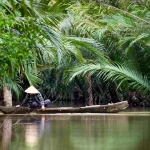
📷 Featured image by Minh Luu (Minhluu.com & AA+Photography) on Unsplash.