On this page
- What Makes Dalat Different from Other Vietnamese Destinations
- Dalat’s Top Attractions That Actually Deliver
- The Food Scene: French Influence Meets Highland Flavors
- Getting to Dalat in 2026: Your Transportation Options
- Day Trip or Overnight? How Much Time You Really Need
- Budget Reality: What Dalat Actually Costs in 2026
- Frequently Asked Questions
💰 Click here to see Vietnam Budget Breakdown
💰 Prices updated: October, 2026. Budget figures are estimates — always verify before travel.
Exchange Rate: $1 USD = ₫25,964.41
Daily Budget (per person)
Shoestring: ₫650,000 – ₫1,550,000 ($25.03 – $59.70)
Mid-range: ₫1,800,000 – ₫3,900,000 ($69.33 – $150.21)
Comfortable: ₫5,200,000 – ₫9,100,000 ($200.27 – $350.48)
Accommodation (per night)
Hostel/guesthouse: ₫120,000 – ₫350,000 ($4.62 – $13.48)
Mid-range hotel: ₫780,000 – ₫1,850,000 ($30.04 – $71.25)
Food (per meal)
Budget meal: ₫60,000.00 ($2.31)
Mid-range meal: ₫250,000.00 ($9.63)
Upscale meal: ₫800,000.00 ($30.81)
Transport
Single metro/bus trip: ₫10,000.00 ($0.39)
Monthly transport pass: ₫300,000.00 ($11.55)
Dalat polarizes travelers. Some call it Vietnam’s most romantic escape, while others dismiss it as an overpriced tourist trap. The truth lies somewhere between these extremes, and understanding what Dalat offers — and what it doesn’t — will determine whether this mountain city deserves a spot on your 2026 Vietnam itinerary.
What Makes Dalat Different from Other Vietnamese Destinations
At 1,500 meters above sea level, Dalat operates on a completely different rhythm than the rest of Vietnam. The year-round temperature hovers between 15-25°C, meaning you’ll actually need a light jacket in the evenings. This climate creates an atmosphere that feels more European than Southeast Asian, which explains both its appeal and its criticism.
The French colonial influence runs deeper here than anywhere else in Vietnam. Built as a hill station retreat in the early 1900s, Dalat retains its original character through preserved villas, pine forests, and an almost Alpine feel. Walking through the city center on a misty morning, with the scent of pine needles and fresh coffee drifting from corner cafes, you could almost forget you’re in tropical Vietnam.
This distinctiveness comes with trade-offs. Dalat lacks the authentic Vietnamese street life you’ll find in other cities. The pace is slower, the vibe more subdued. If you’re chasing authentic cultural immersion, you might find Dalat too sanitized. But if you’re seeking respite from Vietnam’s intensity — the heat, humidity, and constant motion — Dalat offers genuine relief.
The city has evolved significantly since 2024, with new eco-tourism initiatives and improved infrastructure making it more accessible while maintaining its character. The new Dalat-Ho Chi Minh City expressway, completed in late 2025, has cut travel time from Saigon to just 4 hours by car.
Dalat’s Top Attractions That Actually Deliver
Skip the kitsch and focus on what Dalat does well. The Crazy House (Hang Nga Guesthouse) remains genuinely fascinating — a surreal architectural experiment that’s part guesthouse, part art installation. The winding staircases and organic shapes create an otherworldly experience that justifies the entrance fee.
Dalat’s lakes deserve your attention, particularly in early morning when mist rises from the water. Xuan Huong Lake in the city center offers easy access, while the larger Tuyen Lam Lake provides better photo opportunities and fewer crowds. The cable car to Truc Lam Monastery combines scenic transport with cultural insight — the monastery itself showcases Vietnamese Zen Buddhism in a stunning natural setting.
The flower gardens and strawberry farms cater mainly to Vietnamese tourists, but they reveal an important aspect of Dalat’s economy. The temperate climate allows year-round cultivation of flowers and vegetables impossible to grow elsewhere in Vietnam. Seeing industrial-scale flower production provides context for understanding modern Dalat’s agricultural significance.
For adventure activities, the canyoning tours through Dalat’s waterfalls offer legitimate thrills. Datanla and Elephant Falls provide multi-level rappelling experiences through granite gorges. These tours have improved safety standards significantly in 2026, with certified guides and better equipment following new tourism regulations.
The Food Scene: French Influence Meets Highland Flavors
Dalat’s culinary identity reflects its unique geography and history. The cool climate enables ingredients unavailable elsewhere in Vietnam — artichokes, avocados, strawberries, and various temperate vegetables. This agricultural diversity creates a food scene that differs markedly from coastal and lowland Vietnamese cuisine.
French influence appears in unexpected places. Local bakeries produce excellent baguettes and croissants, while several restaurants serve credible Vietnamese-French fusion dishes. The morning markets overflow with vegetables that look more Mediterranean than tropical — cauliflower, broccoli, and leafy greens that struggle in Vietnam’s typical heat.

Try banh can, Dalat’s signature street food. These small, round rice cakes are cooked in special pans over charcoal fires, creating a crispy exterior and soft interior. Vendors serve them with various toppings — quail eggs, green onions, and a tangy dipping sauce. The sizzling sound of batter hitting the hot metal pans creates the quintessential Dalat street food soundtrack.
Local specialties include nem nuong (grilled pork sausage) served with fresh herbs and rice paper, and various preparations of locally-raised rabbits and wild boar. The highland location provides access to game meats rarely found in other Vietnamese cities.
Coffee culture thrives here, with numerous independent roasters taking advantage of nearby growing regions. The coffee tastes noticeably different from southern Vietnamese varieties — less robusta, more arabica, with flavor profiles influenced by the mountain terroir.
Getting to Dalat in 2026: Your Transportation Options
The 2025 completion of the Dalat-Ho Chi Minh City expressway transformed access to the mountain city. Direct buses now run regularly from Saigon in about 5 hours, compared to the previous 7-8 hour journey on winding mountain roads. The new route also improved safety, eliminating the most dangerous sections of the old Highway 20.
Lien Khuong Airport, 30 kilometers from Dalat, handles domestic flights from Hanoi, Ho Chi Minh City, and Da Nang. Vietnam Airlines and Bamboo Airways operate multiple daily flights, with journey times under 2 hours from major cities. Airport shuttles and taxis provide convenient connections to the city center for 100,000-150,000 VND ($4-6 USD).
The train option requires patience but offers scenic rewards. Take the overnight train from Ho Chi Minh City to Phan Rang Thap Cham, then catch a connecting bus for the final 100 kilometers to Dalat. This route takes 10-12 hours total but costs significantly less than flying.

Private car or motorbike rental from Ho Chi Minh City appeals to adventurous travelers. The new expressway makes this journey safer and faster, though mountain weather can change quickly. Rental agencies in Saigon offer one-way rentals to Dalat, though return policies vary.
Day Trip or Overnight? How Much Time You Really Need
Dalat functions better as an overnight destination than a day trip. The city’s appeal lies in its atmosphere — the cool evening air, morning mist over the lakes, and the relaxed pace that takes time to appreciate. Rushing through in a single day misses the point entirely.
A minimum two-day, one-night stay allows you to experience Dalat’s essential elements. Day one covers the main sights — Crazy House, a lake walk, and the central market. Evening brings the night market and cooler temperatures perfect for strolling. Day two can focus on adventure activities like canyoning or deeper exploration of outlying areas.
Three days provides comfortable pacing for most travelers. This duration allows time for day trips to surrounding attractions like the Langbiang Mountain trek or visits to local coffee plantations. You can also experience Dalat’s subtle charms — discovering quiet cafes, walking lesser-known neighborhoods, or simply enjoying the novelty of needing a sweater in tropical Vietnam.
Day trips from Ho Chi Minh City are possible but exhausting. The round-trip transport alone consumes 10+ hours, leaving minimal time for actual exploration. Tour companies offer these trips, but they focus on quick photo stops rather than meaningful experiences.
Budget Reality: What Dalat Actually Costs in 2026
Dalat’s prices reflect its status as a domestic tourism hub and its remote mountain location. Costs generally run 20-30% higher than similar services in Ho Chi Minh City or Hanoi, though still reasonable by international standards.

Accommodation ranges:
- Budget guesthouses: 300,000-500,000 VND per night ($12-20 USD)
- Mid-range hotels: 800,000-1,500,000 VND per night ($32-60 USD)
- Luxury resorts: 2,500,000-5,000,000 VND per night ($100-200 USD)
Food costs:
- Street food meals: 50,000-80,000 VND ($2-3 USD)
- Local restaurant dishes: 100,000-200,000 VND ($4-8 USD)
- Tourist restaurant meals: 300,000-500,000 VND ($12-20 USD)
Activities and transport:
- Crazy House entrance: 60,000 VND ($2.50 USD)
- Cable car to monastery: 120,000 VND round-trip ($5 USD)
- Canyoning tours: 800,000-1,200,000 VND ($32-48 USD)
- Local taxi rides: 100,000-200,000 VND ($4-8 USD)
A comfortable daily budget for mid-range travel runs 1,500,000-2,500,000 VND ($60-100 USD) per person, including accommodation, meals, and activities. Budget travelers can manage on 800,000-1,200,000 VND ($32-48 USD) per day with careful planning.
Frequently Asked Questions
What’s the best time of year to visit Dalat?
Dalat enjoys consistent weather year-round, but dry season (December-March) offers the clearest skies and least rain. Avoid Vietnamese holidays when domestic tourism peaks and prices surge.
Do I need warm clothes for Dalat?
Yes, evening temperatures drop to 15°C or lower. Pack a light jacket, long pants, and closed shoes. Many hotels provide blankets, but bring layers for comfort.
Is Dalat suitable for families with children?
Absolutely. The cool climate, safe environment, and family-friendly attractions make Dalat excellent for children. Adventure activities have age restrictions, but plenty of alternatives exist.
How does Dalat compare to Sapa for mountain experiences?
Dalat offers more comfortable infrastructure and easier access, while Sapa provides more dramatic scenery and authentic ethnic culture. Choose based on your priorities for comfort versus adventure.
Can I easily get around Dalat without a motorbike?
Yes. Dalat is compact enough for walking in the center, and taxis or ride-sharing apps cover longer distances. Many attractions are accessible by foot or short taxi rides.
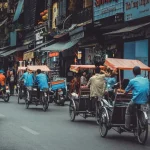
📷 Featured image by Steffen Bertram on Unsplash.