On this page
- Pearl Shopping: Halong Bay’s Famous Pearl Farms and Authentic Outlets
- Halong City Night Market: Street Food Stalls and Local Handicrafts
- Bai Chay Shopping District: Malls, Souvenir Shops, and Seafood Markets
- Floating Village Markets: Unique Boat Shopping Experiences
- Traditional Craft Villages: Coal Carvings and Bamboo Products
- Cruise Ship Shopping: Onboard Boutiques and Organized Shore Excursions
- Budget Breakdown: 2026 Shopping Costs and Payment Options
- Frequently Asked Questions
💰 Click here to see Vietnam Budget Breakdown
💰 Prices updated: October, 2026. Budget figures are estimates — always verify before travel.
Exchange Rate: $1 USD = ₫25,964.41
Daily Budget (per person)
Shoestring: ₫650,000 – ₫1,550,000 ($25.03 – $59.70)
Mid-range: ₫1,800,000 – ₫3,900,000 ($69.33 – $150.21)
Comfortable: ₫5,200,000 – ₫9,100,000 ($200.27 – $350.48)
Accommodation (per night)
Hostel/guesthouse: ₫120,000 – ₫350,000 ($4.62 – $13.48)
Mid-range hotel: ₫780,000 – ₫1,850,000 ($30.04 – $71.25)
Food (per meal)
Budget meal: ₫60,000.00 ($2.31)
Mid-range meal: ₫250,000.00 ($9.63)
Upscale meal: ₫800,000.00 ($30.81)
Transport
Single metro/bus trip: ₫10,000.00 ($0.39)
Monthly transport pass: ₫300,000.00 ($11.55)
Ha Long Bay‘s shopping scene has transformed dramatically since 2024, with new pearl certification systems, expanded night markets, and improved tourist protection measures. While the UNESCO site remains primarily known for its limestone karsts, savvy travelers now discover authentic local products beyond the typical tourist traps that once dominated the area.
Pearl Shopping: Halong Bay’s Famous Pearl Farms and Authentic Outlets
Ha Long Bay produces some of Vietnam’s finest freshwater pearls, and 2026 brings new transparency to what was once a confusing market. The Vietnam Pearl Association now certifies authentic local producers, making it easier to distinguish genuine Halong pearls from imported alternatives.
The largest legitimate operation sits at Tuan Chau Marina, where Halong Pearl Gallery offers factory tours and direct sales. You’ll watch technicians insert irritants into oysters and see pearls in various cultivation stages. The distinctive sound of pearls rolling across glass surfaces confirms authenticity—a technique staff demonstrate during free 20-minute tours.
Authentic Halong pearls range from small seed pearls at 200,000 VND ($8 USD) to premium baroque pearls reaching 15 million VND ($600 USD). Mid-range round pearls, popular with tourists, cost 800,000-2.5 million VND ($32-100 USD). The 2026 certification system includes QR codes linking to origin documentation.
Several smaller operations along Bai Tu Long Bay offer more intimate experiences. Cat Ba Pearl Farm provides boat transfers from Halong City and combines pearl shopping with traditional fishing village visits. Their prices run 20-30% lower than Tuan Chau, though selection remains smaller.
Halong City Night Market: Street Food Stalls and Local Handicrafts
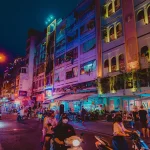
The revamped Halong City Night Market reopened in late 2025 with improved hygiene standards and organized vendor sections. Located near the harbor on Vuon Dao Street, the market operates 6 PM to 11 PM daily, attracting both tourists and local families.

The handicraft section features genuine regional products: hand-carved coal sculptures unique to Quang Ninh Province, bamboo lanterns from nearby villages, and embroidered textiles from ethnic Tay communities. Coal carvings, shaped from local anthracite, make distinctive souvenirs unavailable elsewhere in Vietnam. Small figurines start at 150,000 VND ($6 USD), while intricate multi-piece sets reach 800,000 VND ($32 USD).
The aroma of grilling seafood draws crowds to the food section, where vendors sell dried squid, fish sauce, and packaged shrimp crackers as take-home gifts. Dried squid sheets, pressed flat and seasoned, cost 300,000 VND ($12 USD) per kilogram and last months when properly stored.
Modern payment options arrived in 2026—most vendors now accept QR code payments through VietQR, though keeping small bills remains wise for minor purchases. The market provides free WiFi and clean restroom facilities, addressing longtime tourist complaints.
Navigation Tips for the Night Market
Enter through the main Vuon Dao Street gate to reach the organized vendor sections first. The back alleys contain more experimental food stalls and cheaper goods, but quality varies significantly. Stick to vendors with visible business licenses—a new 2026 requirement that improved market standards.
Bai Chay Shopping District: Malls, Souvenir Shops, and Seafood Markets
Bai Chay serves as Ha Long Bay’s main shopping hub, spanning from the cruise terminal to the Sun Wheel observation deck. The district balances modern shopping centers with traditional markets, creating options for different budgets and preferences.
Sunworld Ha Long Complex houses the area’s most comprehensive shopping center, featuring international brands alongside Vietnamese designers. The top floor specializes in locally-made products: silk scarves from Hanoi workshops, lacquerware from traditional craftsmen, and contemporary art by regional artists. Prices reflect the upscale setting—silk scarves start at 1.2 million VND ($48 USD).
Traditional souvenir shops line Ha Long Road, selling standard tourist items like miniature junks, shell jewelry, and refrigerator magnets. Quality varies dramatically between shops. Halong Heritage Crafts (186 Ha Long Road) stocks higher-grade items with fixed prices, eliminating haggling stress. Their wooden boat models, hand-carved and historically accurate, range from 500,000-3 million VND ($20-120 USD).

The morning seafood market near Bai Chay Bridge offers Vietnam’s freshest catch at wholesale prices. Vendors sell live crabs, dried fish products, and regional specialties like fish sauce aged in wooden barrels. The intense smell of drying fish and constant chatter of auctioneers creates an authentic sensory experience few tourists discover.
Timing Your Bai Chay Shopping
Visit the seafood market between 6-8 AM for peak activity and freshest products. Shopping malls open at 9 AM, while souvenir shops typically open by 8 AM to catch cruise passengers. Afternoon shopping (2-5 PM) offers quieter experiences but reduced selection at the seafood market.
Floating Village Markets: Unique Boat Shopping Experiences
Several floating villages around Ha Long Bay operate traditional boat markets, offering products impossible to find on land. These markets require boat transportation but provide authentic cultural experiences alongside unique shopping opportunities.
Cua Van Floating Village remains the most accessible floating market, reachable via organized day trips or private boat hire. Residents sell handwoven fishing nets, carved boat decorations, and traditional tools still used in daily fishing operations. The gentle rocking of boats and splash of water against hulls creates a peaceful shopping atmosphere.
Local women demonstrate net-weaving techniques while selling their products. Small decorative nets suitable for home display cost 200,000-400,000 VND ($8-16 USD), while functional fishing nets reach 2 million VND ($80 USD). These items showcase traditional skills passed through generations.
Vung Vieng Village specializes in boat-related crafts and fresh seafood. Their floating shops sell carved oars, traditional navigation tools, and locally-caught fish products. The village added proper docking facilities in 2025, making shopping easier while preserving the authentic floating market experience.
Traditional Craft Villages: Coal Carvings and Bamboo Products
Quang Ninh Province’s coal mining heritage spawned unique artistic traditions, with several villages near Ha Long Bay specializing in coal sculpture and bamboo crafts. These villages offer direct-from-artisan shopping experiences and cultural insights beyond typical tourist activities.
Cao Xanh Village, 15 kilometers from Ha Long City, produces Vietnam’s finest coal sculptures. Artisans carve anthracite coal into intricate figurines, religious statues, and decorative objects. The coal’s natural black sheen requires no additional finishing, creating distinctive pieces unavailable elsewhere in Southeast Asia.
Village workshops welcome visitors during working hours (7 AM-5 PM), allowing observation of the carving process. Master craftsmen demonstrate techniques using specialized tools designed for coal’s unique properties. Small decorative pieces start at 100,000 VND ($4 USD), while elaborate sculptures by recognized artists reach 5 million VND ($200 USD).
Yen Duc Village specializes in bamboo products using traditional weaving methods. Artisans create baskets, lanterns, and furniture using bamboo harvested from surrounding hills. The rhythmic sound of bamboo strips being woven and the earthy smell of fresh bamboo permeate the village workshops.
Bamboo lanterns, popular with tourists, cost 150,000-800,000 VND ($6-32 USD) depending on size and complexity. Larger furniture pieces can be shipped internationally, with the village handling customs documentation—a service added in 2026 to attract foreign buyers.
Getting to the Craft Villages
Local buses run hourly from Ha Long City to both villages, costing 25,000 VND ($1 USD) each way. Motorbike taxis offer more flexible timing at 200,000 VND ($8 USD) round trip. Most hotels can arrange guided tours combining both villages for 800,000-1.2 million VND ($32-48 USD) per person.

Cruise Ship Shopping: Onboard Boutiques and Organized Shore Excursions
Ha Long Bay’s cruise industry expanded significantly in 2025-2026, with new ships featuring improved onboard shopping facilities and organized shore shopping excursions. These controlled shopping environments offer convenience but require understanding pricing structures and product authenticity.
Luxury cruise ships like Heritage Cruises and Paradise Cruise stock onboard boutiques with certified Vietnamese products. Prices include 15-20% markups over land-based shops, but authenticity guarantees and English-speaking staff justify the premium for many travelers. Onboard pearl collections include certificates of origin, while textile selections feature genuine silk and traditional weaving techniques.
Most cruise lines organize 2-3 hour shopping excursions to verified vendors. These stops typically include pearl farms, lacquerware workshops, and souvenir emporiums. While convenient and safe, prices run 30-40% higher than independent shopping. The trade-off provides guaranteed product quality and hassle-free experiences.
Budget cruise options focus on mass-market souvenirs and basic Vietnamese products. Quality varies significantly, and passengers should inspect items carefully before purchase. These cruises often include stops at large souvenir complexes designed primarily for tour groups.
Shore excursion shopping accepts major credit cards and provides receipt documentation for customs purposes. Independent shopping requires cash in most locations, though QR code payments became more common in 2026.
Budget Breakdown: 2026 Shopping Costs and Payment Options
Ha Long Bay shopping spans significant price ranges, from budget market finds to premium pearl jewelry. Understanding current 2026 pricing helps travelers budget effectively and recognize fair deals versus tourist markup pricing.
Budget Shopping (Under 500,000 VND/$20 USD per item)
- Small coal sculptures: 100,000-250,000 VND ($4-10 USD)
- Bamboo lanterns (small): 150,000-300,000 VND ($6-12 USD)
- Shell jewelry: 80,000-200,000 VND ($3-8 USD)
- Dried seafood snacks: 150,000-400,000 VND ($6-16 USD)
- Traditional hats and textiles: 200,000-450,000 VND ($8-18 USD)

Mid-Range Shopping (500,000-2 million VND/$20-80 USD)
- Cultured pearl jewelry: 800,000-1.8 million VND ($32-72 USD)
- Hand-carved wooden boats: 600,000-1.5 million VND ($24-60 USD)
- Quality silk scarves: 700,000-1.2 million VND ($28-48 USD)
- Large bamboo furniture: 900,000-2 million VND ($36-80 USD)
- Artisan lacquerware: 500,000-1.6 million VND ($20-64 USD)
Premium Shopping (Over 2 million VND/$80 USD)
- High-grade pearl sets: 3-15 million VND ($120-600 USD)
- Master craftsman coal sculptures: 2.5-8 million VND ($100-320 USD)
- Designer Vietnamese fashion: 2-6 million VND ($80-240 USD)
- Antique fishing tools: 3-12 million VND ($120-480 USD)
- Custom lacquerware furniture: 4-20 million VND ($160-800 USD)
Payment methods improved significantly in 2026. Most established shops accept Vietnamese bank cards and international credit cards, though 3% processing fees are common. QR code payments through VietQR work at 70% of vendors, including many market stalls. Cash remains essential for floating markets, small craft villages, and bargaining situations.
ATMs are readily available in Ha Long City and Bai Chay, dispensing Vietnamese dong in denominations up to 500,000 VND notes. Exchange rates at gold shops often beat hotel rates by 1-2%.
Frequently Asked Questions
Are Halong Bay pearls genuine, and how can I verify authenticity?
Authentic Halong pearls include 2026 certification with QR codes linking to farm documentation. Genuine pearls feel gritty when rubbed against teeth and have natural surface irregularities. Avoid vendors who cannot provide certificates of origin.
What’s the best time to visit Halong City Night Market?
The market operates 6 PM-11 PM daily, with peak activity 7:30-9:30 PM. Arrive early for best food selection and cooler temperatures, or later for potential end-of-day bargains on handicrafts.
Can I ship large purchases like furniture internationally from craft villages?
Yes, both Cao Xanh and Yen Duc villages offer international shipping services introduced in 2026. Shipping costs 15-25% of item value, and customs documentation is included. Delivery takes 2-6 weeks depending on destination.
Do cruise ship shore excursions offer better prices than independent shopping?
Cruise excursions typically cost 30-40% more but provide guaranteed authenticity, English-speaking guides, and hassle-free experiences. Independent shopping offers better prices but requires more time and local knowledge.
What payment methods work best for shopping around Halong Bay?
Cash remains most widely accepted, especially in markets and villages. QR code payments work at 70% of vendors in tourist areas. Credit cards accepted at malls and established shops but often include 3% processing fees.
Explore more
Best Restaurants in Ha Long Bay: A Seafood Lover’s Guide
Ha Long Bay Travel Tips: Your Essential Guide for a Perfect Trip
Ha Long Bay Nightlife Guide — Best Bars and Clubs
📷 Featured image by Luca Scofano on Unsplash.