On this page
- Central Da Nang: Han Market Area & Downtown Dining Districts
- My Khe Beach: Beachfront Restaurants & Sunset Dining
- Con Market & Surroundings: Authentic Local Street Food Scene
- An Thuong Area: Upscale Restaurants & International Cuisine
- Dragon Bridge & Riverside: Evening Food Streets & Night Markets
- Hidden Gems in Residential Neighbourhoods
- Budget Breakdown: What You’ll Pay for Food in Da Nang (2026)
- Frequently Asked Questions
💰 Click here to see Vietnam Budget Breakdown
💰 Prices updated: October, 2026. Budget figures are estimates — always verify before travel.
Exchange Rate: $1 USD = ₫25,964.41
Daily Budget (per person)
Shoestring: ₫650,000 – ₫1,550,000 ($25.03 – $59.70)
Mid-range: ₫1,800,000 – ₫3,900,000 ($69.33 – $150.21)
Comfortable: ₫5,200,000 – ₫9,100,000 ($200.27 – $350.48)
Accommodation (per night)
Hostel/guesthouse: ₫120,000 – ₫350,000 ($4.62 – $13.48)
Mid-range hotel: ₫780,000 – ₫1,850,000 ($30.04 – $71.25)
Food (per meal)
Budget meal: ₫60,000.00 ($2.31)
Mid-range meal: ₫250,000.00 ($9.63)
Upscale meal: ₫800,000.00 ($30.81)
Transport
Single metro/bus trip: ₫10,000.00 ($0.39)
Monthly transport pass: ₫300,000.00 ($11.55)
Da Nang‘s dining scene has exploded since the city reopened fully to international visitors in late 2022. By 2026, the coastal hub has evolved into Vietnam’s most diverse culinary destination outside Ho Chi Minh City, with everything from heritage family recipes served on plastic stools to rooftop restaurants overlooking the Han River. The challenge isn’t finding good food — it’s knowing where to look among the hundreds of new venues that have opened in the past two years.
Central Da Nang: Han Market Area & Downtown Dining Districts
The heart of Da Nang’s food scene radiates outward from Han Market, where the aroma of grilling pork and fresh herbs fills the narrow alleyways from 5 AM until well past midnight. This central zone offers the highest concentration of authentic local eateries within walking distance of most hotels.
Bach Dang Street runs parallel to the Han River and serves as Da Nang’s primary food boulevard. The stretch between Dragon Bridge and Han Bridge buzzes with activity as locals gather around low plastic tables for bowls of mi quang — Da Nang’s signature noodle dish with its distinctive yellow turmeric-tinted broth.
For the city’s best mi quang, head to Mi Quang Ba Mua at 8 Bach Dang Street. This third-generation family operation opens at 6 AM and closes when they run out of noodles, usually by 2 PM. The broth simmers for 12 hours with pork bones and dried shrimp, creating a complex base that locals judge all other mi quang against.
Tran Phu Street, running east-west through downtown, offers a mix of casual dining and more formal restaurants. The evening food stalls that set up along the sidewalks between Le Duan and Nguyen Van Linh streets create an impromptu night market atmosphere. The sizzle of banh xeo batter hitting hot pans echoes from multiple stalls as vendors prepare the crispy pancakes filled with pork, shrimp, and bean sprouts.
Han Market itself transforms after dark. While the main market closes at 6 PM, the surrounding streets fill with food vendors selling everything from Vietnamese pizza (banh trang nuong) to fresh spring rolls. The chaos feels overwhelming at first, but following your nose leads to the best discoveries.
My Khe Beach: Beachfront Restaurants & Sunset Dining
My Khe Beach’s dining scene caters to both international visitors and well-heeled Vietnamese families seeking ocean views with their meals. The beachfront strip along Vo Nguyen Giap Street has evolved dramatically since 2024, with new regulations requiring all restaurants to meet international hygiene standards.
Waterfront Restaurant at 150 Vo Nguyen Giap offers the most consistent seafood experience along the beach. Their whole grilled fish, served with rice paper, herbs, and dipping sauce, showcases local cooking techniques without the tourist markup common at other beachfront venues. The restaurant’s terrace provides unobstructed ocean views, and the staff speaks functional English.
For a more upscale experience, Memory Lounge on the 17th floor of Novotel Da Nang Premier Han River combines panoramic city and ocean views with creative Vietnamese fusion cuisine. Their tasting menu changes seasonally but consistently features local ingredients like dragon fruit, lemongrass, and fresh seafood from nearby fishing villages.
The beach vendors selling fresh coconuts and grilled seafood skewers provide the most authentic waterfront dining experience. These mobile operations move up and down the beach throughout the day, following the shade and the crowds. The grilled squid, brushed with a sweet-salty glaze and served with rice crackers, makes for an ideal beach snack.
Evening brings a different energy to My Khe’s food scene. As the sun sets, temporary food stalls appear along the beachfront promenade. The night-time bánh mì vendors here serve some of the city’s best versions of the Vietnamese sandwich, with crispy baguettes filled with grilled pork, pâté, and pickled vegetables.

Con Market & Surroundings: Authentic Local Street Food Scene
Con Market, about 3 kilometres southwest of central Da Nang, represents the city’s most authentic street food ecosystem. This neighborhood market serves local residents rather than tourists, resulting in lower prices and more traditional cooking methods that haven’t been modified for international palates.
The market operates from 4 AM until noon, with the peak breakfast period between 6-8 AM when office workers stop for quick meals before heading to work. The sound of chopping cleavers and bubbling broth creates a rhythmic backdrop as dozens of vendors prepare their specialties.
Banh Mi Phuong inside Con Market has gained recognition beyond Da Nang for their exceptional Vietnamese sandwiches. Unlike the more famous Hoi An version, Da Nang-style banh mi tends to be slightly larger with a higher proportion of vegetables to meat. The bread here gets baked fresh every two hours, ensuring the perfect balance of crispy crust and soft interior.
The market’s noodle soup vendors offer some of Da Nang’s most affordable and satisfying meals. Bun Bo Hue Co Hoa serves spicy beef noodle soup for 45,000 VND (about 1.80 USD) per bowl. The broth carries a distinct lemongrass aroma and moderate heat level that builds with each spoonful.
Surrounding Con Market, small family-run restaurants in converted shophouses serve traditional dishes that rarely appear in tourist areas. Cao Lau Ba Duc at 12 Le Duan Street specializes in cao lau — thick noodles in a light broth with pork and herbs. While cao lau originated in nearby Hoi An, Da Nang versions tend to be less sweet and include more vegetables.

The beverage scene around Con Market deserves special mention. Vietnamese iced coffee (ca phe sua da) reaches peak quality here, with vendors using locally roasted beans and traditional metal drip filters. The strong coffee mixed with sweetened condensed milk provides the perfect accompaniment to spicy morning dishes.
An Thuong Area: Upscale Restaurants & International Cuisine
An Thuong, the upscale neighborhood between My Khe Beach and the city center, has become Da Nang’s answer to Ho Chi Minh City’s District 1 dining scene. This area caters to expatriate families, digital nomads, and Vietnamese professionals seeking international cuisine alongside elevated Vietnamese dishes.
An Thuong 4 Street serves as the neighborhood’s primary dining corridor, lined with air-conditioned restaurants offering English menus and international wine lists. Madame Lan Restaurant at 4 An Thuong 4 combines traditional Vietnamese recipes with modern presentation techniques. Their five-course tasting menu (850,000 VND / 34 USD) provides an excellent introduction to central Vietnamese cuisine for visitors unfamiliar with local flavors.
The area’s Japanese restaurants have multiplied since 2024, serving both the growing Japanese business community and locals who’ve developed a taste for sushi and ramen. Yakitori Taisho on Nguyen Van Thoai Street offers authentic Japanese grilled skewers in a casual setting. Their chicken teriyaki and beef yakitori maintain Tokyo-level quality while adapting to local ingredient availability.
For Italian cuisine, Poco Loco Pizzeria uses a wood-fired oven imported from Naples to create authentic Neapolitan-style pizzas. The restaurant sources most ingredients locally but imports key items like San Marzano tomatoes and buffalo mozzarella. Their margherita pizza (280,000 VND / 11.20 USD) provides a reliable option for travelers seeking familiar flavors.
Cafe Zoom represents An Thuong’s emerging specialty coffee culture. This third-wave coffee shop sources beans from Vietnam’s highland regions and employs proper brewing techniques that showcase the country’s coffee potential beyond the traditional sweetened preparations. Their single-origin Vietnamese arabica, served as pour-over or cold brew, offers a revelation for visitors familiar only with robusta-based Vietnamese coffee.

Dragon Bridge & Riverside: Evening Food Streets & Night Markets
The area surrounding Dragon Bridge transforms dramatically after sunset, becoming Da Nang’s primary evening dining destination. The bridge itself breathes fire every Saturday and Sunday at 9 PM, drawing crowds who combine the spectacle with dinner at nearby restaurants.
Tran Hung Dao Street, running parallel to the Han River on the west side, becomes a pedestrian-friendly dining zone after 7 PM. Food vendors set up temporary stalls selling everything from grilled corn on the cob to elaborate seafood platters. The evening atmosphere here feels distinctly Vietnamese, with families gathering for dinner and groups of friends sharing multiple dishes.
The riverside promenade offers several floating restaurants moored along the Han River. These boat-restaurants specialize in seafood prepared to order from live tanks. Ngon Riverside Restaurant provides the most consistent experience among these floating venues, with English-speaking staff and fixed menu prices that eliminate haggling.
Con Ga Nuong Dung on Bach Dang Street has earned local fame for their grilled chicken served with rice paper, herbs, and multiple dipping sauces. The restaurant’s open-air setup allows diners to watch the cooking process while enjoying river breezes. Their half-chicken dinner with accompaniments costs 180,000 VND (7.20 USD) and easily feeds two people.
Han Market Night Market, operating Friday through Sunday evenings, extends the area’s food offerings with dozens of additional vendors. The night market focuses heavily on desserts and sweet snacks, including che ba mau (three-color dessert), fresh fruit smoothies, and grilled rice cakes with various toppings.
The sound of motorbikes crossing Dragon Bridge creates a constant urban soundtrack that mingles with conversation and the clatter of dishes, creating an distinctly Vietnamese dining atmosphere that many visitors find more engaging than quieter restaurant settings.

Hidden Gems in Residential Neighbourhoods
Da Nang’s most memorable meals often happen in residential areas where families have converted their front rooms into tiny restaurants serving one or two specialties. These neighborhood gems require more effort to find but reward adventurous diners with authentic flavors and incredibly low prices.
Hai Chau District’s residential streets hide numerous family operations that locals discover through word-of-mouth recommendations. Com Hen Ba Bay at 280 Ong Ich Khiem Street serves clam rice — a Da Nang specialty that combines steamed rice with tiny clams, pork rinds, and aromatic herbs. The restaurant operates from a converted living room with four plastic tables and serves only this one dish.
Thanh Khe District contains several outstanding pho restaurants that rarely see foreign visitors. Pho Thin at 45 Duy Tan Street opens at 5:30 AM and serves traditional northern-style pho with thin rice noodles and clear, aromatic broth. The elderly owner maintains recipes learned in Hanoi decades ago, creating an authentic northern Vietnamese experience in central Vietnam.
The Lien Chieu District, about 8 kilometres from downtown, houses some of Da Nang’s best family-run seafood restaurants. Quan An Hai San Loc specializes in dishes prepared with seafood caught by local fishing boats that morning. Their steamed fish with ginger and soy sauce showcases cooking techniques passed down through generations of fishing families.
These neighborhood restaurants typically don’t have English menus or English-speaking staff, but pointing at other diners’ dishes usually communicates your preferences effectively. Most family operations accept only cash, so carry small Vietnamese dong notes for smooth transactions.
Budget Breakdown: What You’ll Pay for Food in Da Nang (2026)
Da Nang’s food costs have increased moderately since 2024, largely due to improved ingredient quality and new hygiene regulations for restaurants. However, the city remains significantly more affordable than international destinations while offering comparable quality at the mid-range and upscale levels.

Budget Dining (Under 100,000 VND / 4 USD per meal):
- Street food vendors: 25,000-50,000 VND (1-2 USD) per dish
- Local market restaurants: 40,000-80,000 VND (1.60-3.20 USD) for noodle soups
- Banh mi from street vendors: 15,000-25,000 VND (0.60-1 USD)
- Vietnamese iced coffee: 20,000-30,000 VND (0.80-1.20 USD)
- Fresh fruit from vendors: 30,000-50,000 VND (1.20-2 USD) per portion
Mid-Range Dining (100,000-400,000 VND / 4-16 USD per meal):
- Local restaurants with AC and English menus: 120,000-250,000 VND (4.80-10 USD)
- Beachfront restaurants: 200,000-350,000 VND (8-14 USD) for seafood dishes
- International cuisine (pizza, pasta, burgers): 180,000-320,000 VND (7.20-12.80 USD)
- Craft beer or cocktails: 80,000-150,000 VND (3.20-6 USD)
- Fresh seafood at riverside restaurants: 250,000-400,000 VND (10-16 USD)
Comfortable Dining (400,000+ VND / 16+ USD per meal):
- Upscale Vietnamese tasting menus: 600,000-1,200,000 VND (24-48 USD)
- International fine dining: 800,000-1,500,000 VND (32-60 USD)
- Rooftop restaurants with views: 500,000-900,000 VND (20-36 USD)
- Premium cocktails at hotel bars: 200,000-350,000 VND (8-14 USD)
- Imported wine per bottle: 800,000-2,000,000 VND (32-80 USD)
Most restaurants now accept credit cards, though street vendors and market stalls operate on cash only. Mobile payment apps like Grab Pay have gained widespread acceptance since 2025, making cashless transactions possible even at many traditional establishments.
Tipping isn’t expected at casual dining establishments, but leaving 5-10% at upscale restaurants is appreciated. Many restaurants automatically add a 10% service charge to bills over 500,000 VND.
Frequently Asked Questions
What time do most Da Nang restaurants close?
Local restaurants typically close between 9-10 PM, while international restaurants stay open until 11 PM. Street food vendors often operate later, especially around Dragon Bridge and My Khe Beach areas.
Is street food safe to eat in Da Nang?

Yes, with basic precautions. Choose busy stalls with high turnover, eat food that’s cooked fresh while you wait, and avoid raw vegetables from vendors without proper washing facilities. Bottled water is widely available.
Do Da Nang restaurants accommodate dietary restrictions?
Vegetarian options are readily available, especially Buddhist vegetarian restaurants. Vegan, gluten-free, and halal options exist but require more research. Most upscale restaurants can accommodate special requests with advance notice.
How do I order at restaurants without English menus?
Point at other diners’ dishes, use Google Translate’s camera feature to translate menus, or show photos of desired dishes from your phone. Most restaurant staff are patient and helpful with non-Vietnamese speakers.
What’s the best way to get around Da Nang’s different dining areas?
Motorbike taxi (xe om) through Grab is fastest for short distances. Regular taxis work well for groups or longer distances. Many central areas are walkable, especially the riverside and downtown zones.
Explore more
Your Guide to the Best Shopping in Da Nang: Markets, Malls & Must-Buy Souvenirs
Da Nang Essentials: Your Go-To Guide for Getting Around, Budgeting & Planning
Where to Go Out in Da Nang? Your Ultimate Guide to Nightlife & After-Dark Fun
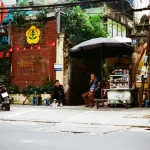
📷 Featured image by buian_photos on Unsplash.