On this page
- Why Hanoi Needs Its Own Packing List
- What to Pack by Neighborhood
- Packing for the Sights
- Packing for the Food Scene
- Getting Around Hanoi With Your Bag
- Day Trip Add-Ons
- Nightlife and Evening Gear
- Packing Light for Shopping
- Packing by Accommodation Type
- Season-by-Season Packing Lists and Festivals
- Practical Tips
- Budget Breakdown
- Frequently Asked Questions
💰 Click here to see Vietnam Budget Breakdown
💰 Prices updated: November, 2026. Budget figures are estimates — always verify before travel.
Exchange Rate: $1 USD = ₫25,797.29
Daily Budget (per person)
Shoestring: ₫700,000 – ₫1,100,000 ($27.13 – $42.64)
Mid-range: ₫1,500,000 – ₫2,800,000 ($58.15 – $108.54)
Comfortable: ₫3,000,000 – ₫5,500,000 ($116.29 – $213.20)
Accommodation (per night)
Hostel/guesthouse: ₫120,000 – ₫470,000 ($4.65 – $18.22)
Mid-range hotel: ₫700,000 – ₫1,800,000 ($27.13 – $69.77)
Food (per meal)
Budget meal: ₫40,000.00 ($1.55)
Mid-range meal: ₫150,000.00 ($5.81)
Upscale meal: ₫1,000,000.00 ($38.76)
Transport
Single metro/bus trip: ₫10,000.00 ($0.39)
Monthly transport pass: ₫500,000.00 ($19.38)
Most packing lists for Vietnam assume beach weather, and that is how travelers end up shivering in a Hanoi hotel room in January with only flip-flops and a tank top. In 2026 the problem is bigger. Budget airlines enforce carry-on weight limits strictly, airlines have tightened power bank rules, and Hanoi’s weather swings between 8°C and 38°C depending on the month. This guide shows you what to put in your bag, what to leave at home, and what to buy cheaply once you land.
Why Hanoi Needs Its Own Packing List
Hanoi is not Ho Chi Minh City, and it is definitely not a beach town. It is a northern capital with four real seasons, a thousand-year-old street grid, and a daily rhythm that starts before sunrise. At 5:30 a.m. the lakeside paths fill with joggers and tai chi groups. By 7:00 the smell of charcoal and pho broth is drifting out of corner shops. By evening the Old Quarter hums with thousands of motorbikes, and you will hear it through your hotel window.
That personality shapes what you carry. You will walk a lot, mostly on uneven pavements that are partly occupied by parked scooters and plastic stools. You will sit on tiny chairs. You will step in and out of temples, cafes, and air-conditioned shops, so your body goes from heat to chill and back again. The best Hanoi bag is light, layered, modest in cut, and quick to dry.
The golden rule: pack for the season, not for “Vietnam.” Then pack about 30 percent less than you think you need. Laundry costs 25,000 to 40,000 VND ($1 to $1.50) per kilo at almost every guesthouse, and clothes are cheap here.
What to Pack by Neighborhood
Where you sleep changes what you reach for every morning.
Old Quarter
This is the noisy, narrow heart of the city. Bring foam earplugs, a lightweight crossbody bag with a zip, and sturdy walking sandals or sneakers. Pavements here are a mix of broken tile and motorbike parking, so flimsy flip-flops are a bad idea. A small packable tote is handy for the street markets.
French Quarter
South of Hoan Kiem Lake, the streets are wider and greener, with the Opera House, galleries, and upscale restaurants. People dress a bit smarter here. One neat outfit, like linen trousers and a collared shirt or a simple dress, saves you from feeling underdressed at dinner.
Tay Ho (West Lake)
Tay Ho is the expat-friendly area, with lakeside cafes, yoga studios, and quiet streets. It is perfect for cycling, so pack padded cycling shorts or just comfortable stretch shorts, plus sunglasses and a cap. Sunrise on the lake is cool and breezy, so a thin windbreaker helps.

Ba Dinh
This is the political and historic district around Ho Chi Minh’s Mausoleum, the One Pillar Pagoda, and the Presidential Palace grounds. Dress rules are strict here, so keep one outfit with covered shoulders and knees ready in the top of your bag.
Packing for the Sights
Hanoi’s top sights are cultural and historic, which means dress and comfort matter more than gear.
- Temple of Literature and pagodas: Cover shoulders and knees. A lightweight scarf or sarong doubles as a cover-up and a sun shield.
- Ho Chi Minh Mausoleum: It is open mornings only, usually closed Mondays and Fridays, and shuts for annual maintenance in autumn. Check dates before you plan. No shorts, no sleeveless tops, and cameras or large bags may be held at the entrance.
- Hoa Lo Prison and the Vietnamese Women’s Museum: Air-conditioned, but you will stand and walk for hours. Wear broken-in shoes.
- Water puppet theatre: Indoor and often chilly. A thin layer is useful.
- Train Street: Access to the famous cafes along the tracks has been restricted and rules change often. Pack patience and low expectations, and do not stand on the tracks.
A day of sightseeing in Hanoi easily reaches 12,000 to 20,000 steps. Choose shoes with real cushioning and carry a spare pair of socks in your daypack. If it rains, wet socks are what ruin the afternoon.
Packing for the Food Scene
This section is about where you will eat and what to carry for it, not what the dishes mean. Hanoi’s best meals happen at street level, in places with no menus in English and no air-conditioning.
- Old Quarter alleys around Hang Buom and Ta Hien: Ta Hien is the famous beer street, packed with plastic stools. Hang Buom and the lanes around it have grills, noodle stalls, and dessert counters.
- Dong Xuan Market: A huge covered market. The ground floor is wholesale goods, and the food court upstairs serves cheap, quick lunches.
- Nguyen Huu Huan and Hang Bac: Small shops, coffee spots, and quick bites along walkable blocks.
- Le Van Huu and the Hai Ba Trung area: Popular for bun cha lunches, where office workers queue at noon.
- Tay Ho cafes and restaurants: Western brunches, wine bars, and quieter dinners near West Lake.

What to carry for eating:
- Pocket tissues and hand sanitizer. Many stalls provide a roll of paper on the table, but not always soap.
- Small bills. A meal at a street stall runs 40,000 to 80,000 VND ($1.50 to $3), and vendors often cannot change a 500,000 VND note.
- A clean, dark shirt. Broth splashes, chili oil, and grill smoke are part of the experience. Leave the white linen for another day.
- Basic stomach medicine. Oral rehydration salts and an anti-diarrhea tablet cost little and weigh nothing.
In 2026, many stalls accept QR transfers through Vietnamese banking apps, but foreign cards rarely work at street level. Do not count on tapping your card for noodles.
Getting Around Hanoi With Your Bag
How you move shapes your bag choice more than most people realize.
From the airport
Noi Bai Airport is about 30 km north of the Old Quarter. A metered taxi or Grab car costs roughly 250,000 to 400,000 VND ($10 to $15) and takes 45 to 60 minutes, depending on traffic. Public bus 86 runs to the Old Quarter and Hanoi Railway Station for about 45,000 VND ($1.75), but you will need to handle luggage on a crowded bus. If you have a big suitcase, take a car.
Within the city
- Grab bike and car: A short bike ride costs 20,000 to 40,000 VND ($0.80 to $1.50). The driver gives you a helmet. Wear closed shoes and keep your bag in front of you.
- Xanh SM electric taxis: Quiet, clean, and widely available, a good option if you want air-conditioning and luggage space.
- Metro: Line 2A (Cat Linh to Ha Dong) has run since 2021, and the elevated section of Line 3 has operated since August 2024, with the underground stretch toward the Old Quarter still under construction. Tickets cost about 8,000 to 15,000 VND ($0.30 to $0.60). Useful for out-of-centre trips, less so for the Old Quarter itself.
- Walking: The Old Quarter and French Quarter are best on foot.
Hanoi has announced plans to limit petrol motorbikes in the central zone starting mid-2026. Rules and enforcement may shift, so check local news before you rent a bike. For most travelers, Grab is easier and safer than renting.

Crossing the street is a skill. Walk slowly and steadily, do not run or stop suddenly, and let the motorbikes flow around you. A small crossbody bag worn on the front keeps your hands free and your phone away from passing scooters.
Day Trip Add-Ons
Day trips need a second, smaller bag. Keep a lightweight 15 to 20 litre daypack for these.
- Ninh Binh (Tam Coc, Trang An): About 100 km south, roughly 2 hours by car or limousine bus. Bring sun protection, a hat, and shoes that can get wet on boat steps. Boat rides last 2 hours with almost no shade.
- Ha Long Bay: The expressway cuts the drive to about 2.5 to 3 hours each way. Bring seasickness tablets, a light jacket for breezy decks, and a swimsuit if you plan to kayak or swim.
- Bat Trang pottery village: Only 30 minutes away by bus or Grab. Bring a tote and some bubble wrap or a soft scarf to protect ceramics.
- Perfume Pagoda: About 60 km southwest, a half-day to full-day trip. Wear walking shoes, since the hike up can be steep, and bring a small towel for sweat.
- Sapa (overnight): About 5 to 6 hours by expressway or an overnight train. Pack warm layers even in summer, since nights at altitude drop quickly. Hiking shoes with grip are essential on muddy trails.
Nightlife and Evening Gear
Hanoi’s nightlife is more relaxed than people expect, with a rough local rhythm: the Old Quarter gets lively by 8 p.m. and many places wind down around midnight.
- Ta Hien and Luong Ngoc Quyen corner: Cheap bia hoi (fresh draft beer) for around 10,000 to 20,000 VND ($0.40 to $0.80) a glass. Bring a light layer for the night, and a power bank so your phone survives the night.
- Rooftop bars in the French Quarter and around Hoan Kiem: Smart casual is the norm. Closed-toe shoes and a clean shirt are enough, and flip-flops may be refused at the door.
- Live music venues: Hanoi’s jazz and rock scene runs from small Old Quarter bars to larger stages out west. Earplugs are worth bringing.
- Weekend night market: On Friday to Sunday evenings the streets around Hang Dao and Dong Xuan close to cars. Wear secure bags and keep your wallet in a front pocket.
- Hoan Kiem walking zone: Weekend evenings bring street performers, kids on toy cars, and cool air off the lake.

A padlock or small cable lock is useful if you store your bag at hostel lockers, and a small flashlight or phone light helps on dark side alleys after the late dinner crowd thins out.
Packing Light for Shopping
The smartest packing move for Hanoi is to leave empty space. You will almost certainly buy something.
- Hang Gai (Silk Street): Silk scarves, shirts, and custom tailoring. An ao dai or tailored shirt costs roughly 800,000 to 2,000,000 VND ($30 to $75) and takes 24 to 72 hours.
- Hang Ma and Hang Dao: Cheap clothes, bags, and souvenirs. Bargain politely and walk away if the price does not drop.
- Dong Xuan Market: Wholesale fabrics, kitchenware, dried goods, and cheap luggage.
- Hang Trong: Traditional folk paintings and lacquerware.
- Tong Duy Tan and Nha Tho streets: Boutiques, craft shops, and design stores with fixed prices.
- Quang Ba Flower Market: Not a place to buy for the suitcase, but a feast of colour at dawn.
Bring a foldable duffel or an extra empty packing cube. A foldable bag costs 150,000 to 250,000 VND ($6 to $10) in the Old Quarter if you forget one. If you buy a lot, post it home instead of paying airline overweight fees, which on budget carriers can reach 100,000 to 150,000 VND per kilo.
Packing by Accommodation Type
What your room offers decides what you can leave behind.
Budget (hostels and guesthouses, 200,000 to 500,000 VND, $8 to $19 per night)
- Quick-dry travel towel, since some hostels charge extra or provide thin ones.
- Padlock for lockers, earplugs, and a sleep mask.
- Flip-flops for shared bathrooms.
- Power strip or a multi-port USB charger, as sockets can be limited.
Mid-range (boutique hotels, 700,000 to 1,800,000 VND, $27 to $70 per night)
- Most provide towels, toiletries, hair dryers, and kettles. Skip your own.
- Bring a universal adapter and a small laundry bag.
- Pack one smart-casual outfit for restaurants and rooftops.
Luxury (heritage and five-star hotels, 3,500,000 VND and up, $135+ per night)
- Pack swimwear for pools, and good walking shoes for city tours.
- Dress codes at fine dining rooms often ask for smart attire, so bring one polished outfit.
- You will not need toiletries, towels, or adapters, so your bag can be lighter.
Season-by-Season Packing Lists and Festivals
Winter (December to February)
Expect 8 to 18°C, grey skies, and damp cold. Pack a fleece, a light down jacket, long trousers, warm socks, and a scarf. Many older buildings have no heating. Tet (Lunar New Year) falls on 17 February in 2026, when many shops and restaurants close for several days and prices for transport and hotels rise. Book early and carry extra cash.

Spring (March to April)
Light drizzle, called mua phun, hangs in the air with temperatures around 18 to 25°C. Pack long sleeves, a thin rain jacket, and shoes that dry fast.
Summer (May to August)
Hot and humid at 30 to 38°C, with heavy afternoon downpours and the risk of typhoons, as Typhoon Yagi proved in 2024. Pack breathable cotton or linen, sandals with grip, sunscreen, a hat, and a waterproof phone pouch. Bring a light cardigan, because air conditioning is aggressive.
Autumn (September to November)
This is the best season, with 20 to 30°C, clear skies, and golden light. Pack light layers and one warmer top for evenings. The Mid-Autumn Festival falls on 25 September in 2026, with lanterns and mooncakes in the Old Quarter, especially around Hang Ma.
Practical Tips
- Safety: Hanoi is generally safe, but bag snatching from passing motorbikes happens near Hoan Kiem Lake and in the Old Quarter. Carry your phone on the side away from the road and use a zip crossbody bag.
- Tipping: Not required. Rounding up at cafes or leaving 20,000 to 50,000 VND ($0.80 to $2) for a guide or driver is appreciated. Many restaurants add a service charge of 5 to 10 percent.
- Language: English works in hotels, tourist cafes, and tours. Learn xin chao (hello) and cam on (thank you), and keep a translation app downloaded offline.
- SIM and eSIM: Tourist SIMs from Viettel, Mobifone, or Vinaphone cost about 150,000 to 250,000 VND ($6 to $10) for 30 days of data. eSIMs are widely available if your phone supports them. Set it up before you land or at the airport counter.
- Water: Do not drink tap water. A 1.5-litre bottle costs about 8,000 to 10,000 VND ($0.35 to $0.40). A bottle with a filter reduces plastic waste.
- Electricity: 220V with Type A and C sockets. Bring a universal adapter, and check that your charger supports 100 to 240V.
- Power banks: Many airlines have tightened rules since 2025. Keep power banks in your cabin bag, never in checked luggage, and check whether your airline allows in-flight use.
- Siesta hours: Many small shops and family restaurants close between 12:00 and 14:00. Government offices and sights like the Mausoleum close early in the day.
- Health: Bring insect repellent, basic painkillers, plasters, and any prescription medicine in original packaging. Pharmacies are everywhere and cheap, but brands differ.
- Documents: Carry your passport copy, and keep digital copies in cloud storage. If you need a visa, the e-visa system allows stays of up to 90 days.

Budget Breakdown
Prices below use roughly 26,000 VND per US dollar and reflect typical 2026 costs in central Hanoi.
Packing costs: bring or buy?
- Fleece or padded jacket: 300,000 to 800,000 VND ($12 to $30)
- Rain poncho: 20,000 to 50,000 VND ($0.80 to $2)
- Foldable duffel bag: 150,000 to 250,000 VND ($6 to $10)
- Sunscreen (50 SPF): 150,000 to 350,000 VND ($6 to $13), often pricier than at home
- Insect repellent: 50,000 to 120,000 VND ($2 to $5)
- Laundry: 25,000 to 40,000 VND ($1 to $1.50) per kilo
Daily travel costs (excluding flights)
- Budget: 600,000 to 900,000 VND ($23 to $35). Hostel dorm, street food, walking, occasional Grab bike.
- Mid-range: 1,500,000 to 2,500,000 VND ($58 to $95). Boutique hotel, a mix of street food and restaurants, Grab cars, a day tour or two.
- Comfortable: 4,000,000 to 7,000,000 VND ($155 to $270). Heritage or five-star hotel, fine dining, private driver, rooftop drinks, tailoring.
Typical single costs: bun cha or pho 50,000 to 80,000 VND ($2 to $3), coffee 30,000 to 60,000 VND ($1.20 to $2.30), craft beer 60,000 to 100,000 VND ($2.30 to $3.80), Ha Long day tour 900,000 to 1,500,000 VND ($35 to $58), Ninh Binh day tour 700,000 to 1,200,000 VND ($27 to $46).
Frequently Asked Questions
What clothes should I pack for Hanoi?
Pack lightweight, breathable layers in cotton or linen, plus one light rain jacket. Bring a long-sleeve top and long trousers or a midi skirt for temples. Quick-dry fabrics help in humid months. From December to February, add a warm fleece and closed shoes.
Do I need a power adapter in Hanoi?
Vietnam runs on 220V with flat two-pin (Type A) and round two-pin (Type C) sockets. Many hotels have multi-standard outlets, but not all. Bring a universal adapter. Devices rated 100–240V, like phones and laptops, work fine; hair dryers and straighteners from 110V countries often don’t.
Is it cold in Hanoi in winter?
Yes, it can feel surprisingly cold. From December to February, daytime temperatures sit around 12–18°C, and nights can drop below 10°C. The damp air makes it feel colder, and many budget rooms have no heating. Pack a fleece, a light down jacket, long trousers, and warm socks.
Can I drink tap water in Hanoi?
No. Tap water in Hanoi is not safe to drink untreated. Use bottled or filtered water, which costs about 10,000 VND ($0.40) for a 1.5-litre bottle. Bring a reusable bottle with a filter or refill at your hotel’s dispenser. Ice in restaurants is usually made from purified water and is fine.
What should I not bring to Hanoi?
Leave heavy jeans, bulky towels, and expensive jewellery at home. Bag snatching is rare but happens near Hoan Kiem Lake, so flashy items are risky. Drones need government permission in Vietnam, so skip them unless you have it. Keep some bag space free, because Hanoi shopping adds weight fast.
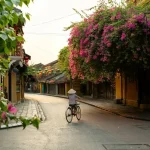
📷 Featured image by Nguyen Phan Nam Anh on Unsplash.