On this page
- Cao Bang – Where the North Gets Genuinely Remote
- Mui Ne’s Quieter Neighbour: La Gi Fishing Town
- Quy Nhon: The Beach City That Stayed Under the Radar
- Bac Ha Sunday Market: Colour Without the Crowds
- Phong Nha Beyond the Famous Caves
- Day Trip or Overnight? Making the Call for Each Destination
- 2026 Budget Reality for Off-the-Beaten-Path Vietnam
- Practical Tips for Reaching These Places in 2026
- Frequently Asked Questions
💰 Click here to see Vietnam Budget Breakdown
💰 Prices updated: October, 2026. Budget figures are estimates — always verify before travel.
Exchange Rate: $1 USD = ₫25,964.41
Daily Budget (per person)
Shoestring: ₫650,000 – ₫1,550,000 ($25.03 – $59.70)
Mid-range: ₫1,800,000 – ₫3,900,000 ($69.33 – $150.21)
Comfortable: ₫5,200,000 – ₫9,100,000 ($200.27 – $350.48)
Accommodation (per night)
Hostel/guesthouse: ₫120,000 – ₫350,000 ($4.62 – $13.48)
Mid-range hotel: ₫780,000 – ₫1,850,000 ($30.04 – $71.25)
Food (per meal)
Budget meal: ₫60,000.00 ($2.31)
Mid-range meal: ₫250,000.00 ($9.63)
Upscale meal: ₫800,000.00 ($30.81)
Transport
Single metro/bus trip: ₫10,000.00 ($0.39)
Monthly transport pass: ₫300,000.00 ($11.55)
Vietnam’s most-visited spots — Ha Long Bay, Hoi An, Sa Pa — are genuinely worth the hype. But in 2026, post-pandemic tourism has rebounded hard, and peak-season crowds at these icons are worse than ever. If you’ve already done the classics, or you simply want to avoid sharing a narrow alley with two hundred other tourists, Vietnam’s lesser-known destinations offer something increasingly rare: space to breathe, locals who are still curious about you rather than exhausted by you, and landscapes that haven’t been filtered through a million Instagram posts.
Cao Bang – Where the North Gets Genuinely Remote
Most visitors heading North stop at Ha Giang or Sa Pa and call it done. Cao Bang, tucked against the Chinese border in the far northeast, barely registers on the average itinerary — and that’s exactly why it’s worth the effort. The Ban Gioc Waterfall here is, by any honest measure, one of the most spectacular waterfalls in Southeast Asia. It straddles the border with China, and on the Vietnamese side you can rent a bamboo raft and drift to within a spray’s reach of the cascade. The roar is physical — you feel it in your chest before you see the falls around the bend.
The surrounding Non Nuoc Cao Bang UNESCO Geopark, recognised in 2018 and expanded in coverage since, layers karst peaks, ancient forests, and ethnic minority villages across a landscape that takes a full day to even partially explore. The Tay, Nung, and Dao communities here live largely as they have for centuries, and homestay tourism is still at an early stage — meaning genuine exchange rather than performance.
Getting to Cao Bang from Hanoi takes around 6 hours by bus. There are no direct flights. That’s a feature, not a bug.
Mui Ne’s Quieter Neighbour: La Gi Fishing Town
Mui Ne earned its place on the map decades ago, but by 2026 the once-sleepy beach strip has become a wall of resort hotels, Russian-language menus, and kitesurfing schools competing for the same stretch of sand. Forty kilometres south, La Gi is what Mui Ne used to feel like.
La Gi is a working fishing town, not a resort. The harbour fills before dawn with boats returning from overnight trips, and the market that follows — Cho La Gi — is the real thing: wet concrete floors, buckets of mantis shrimp, women arguing cheerfully over the price of squid. The smell of salt and fish is intense, and completely honest. No one is performing for tourists here because tourists rarely show up.
There are a handful of guesthouses and a growing number of simple beachfront cafes along Doi Duong Beach, which curves for several kilometres without a single resort flag in sight as of early 2026. Seafood at local restaurants runs 80,000–150,000 VND (roughly USD 3–6) for a full plate. La Gi is reachable from Mui Ne in about an hour by motorbike or taxi.
Quy Nhon: The Beach City That Stayed Under the Radar
Quy Nhon had a moment around 2019 when a few travel publications called it “Vietnam’s next big thing.” Then the pandemic hit, the luxury resort wave paused, and Quy Nhon quietly stayed itself. In 2026, it occupies a rare middle ground: genuinely beautiful beaches, some excellent upmarket accommodation, but none of the manufactured tourist infrastructure that makes Da Nang feel like a theme park.
Ky Co Beach, about 25 kilometres from the city centre, requires a boat or a rough road to reach — the kind of mild inconvenience that keeps it from being overrun. The water is the turquoise shade that usually only appears in heavily edited photos, but in Ky Co it’s real. Closer to town, Bai Xep is a small fishing cove where a cluster of guesthouses has built simple bungalows practically on the sand.
Quy Nhon also has serious Cham heritage. The Thap Doi Cham Towers sit right in the city, and the Binh Dinh Museum holds one of the better collections of Cham sculpture outside of Da Nang’s Cham Museum. Most visitors walk past both without stopping.
Bamboo Airways and Vietnam Airlines both serve Quy Nhon’s Phu Cat Airport from Hanoi and Ho Chi Minh City, with flight times under two hours. In 2026, flight frequency has increased slightly from the 2024 schedule, making weekend trips more viable.
Bac Ha Sunday Market: Colour Without the Crowds
Sa Pa’s markets are famous, well-attended, and increasingly stage-managed for tour groups. Bac Ha, roughly 100 kilometres northeast of Sa Pa, holds its Sunday market in a completely different atmosphere. The Flower Hmong people who dominate Bac Ha wear some of the most vivid embroidered clothing in all of Vietnam — fuchsia, electric blue, lime green — and they come to Bac Ha on Sundays to trade, not to sell things to foreigners.
The market fills the town centre from around 6am, peaks before noon, and is largely gone by early afternoon. There’s a livestock section where horses and pigs change hands, a fabric section where bolts of hand-dyed cloth are negotiated over in Hmong, and a food section where women cook thick corn porridge and roast pork over open fires. The smoke drifts through the whole market, mixing with the smell of fresh herbs and the animals, and it’s chaotic in the best way.
Most travellers visit Bac Ha as a day trip or one-night stop from Sa Pa or Lao Cai. Several small guesthouses in town charge 250,000–400,000 VND (USD 10–16) per night, which makes staying over to catch the early market very affordable.
Phong Nha Beyond the Famous Caves
Phong Nha-Ke Bang National Park is not exactly a secret anymore — Son Doong caving expeditions book out a year in advance, and Paradise Cave draws serious coach-tour crowds. But the Phong Nha village itself, and the farmland and river valley surrounding the park, still has a pace that the famous caves alone don’t convey.
Renting a bicycle and riding along the Son River in the early morning, when mist sits on the water and farmers are heading out on foot, is one of those low-key experiences that sticks with you longer than a ticketed attraction. The Dark Cave — a zip-line, swim, and mud bath combination inside a smaller cave system — offers genuine fun without the price tag of the premium expeditions. Entry plus activities runs around 450,000 VND (USD 18).
The food scene in Phong Nha village has matured considerably since 2024. A cluster of good locally owned restaurants and cafes now serve central Vietnamese food alongside Western comfort food, making it a reasonable base for two or three nights rather than just a one-day cave tick.
Day Trip or Overnight? Making the Call for Each Destination
Not every hidden gem justifies a multi-day detour. Here’s a honest breakdown:
- Cao Bang: Overnight minimum, ideally two nights. The distance from Hanoi and the scale of the geopark make a day trip impractical and exhausting.
- La Gi: Easy day trip from Mui Ne. An overnight is pleasant but not necessary unless you want to catch the early morning fish market.
- Quy Nhon: Two to three nights. There’s enough beach, food, and sightseeing to justify it, and flights make it efficient.
- Bac Ha: One night works if you plan around the Sunday market. Any other day of the week, the town is very quiet.
- Phong Nha: Two nights minimum. One day for the major cave, one day for the river, bicycle ride, and village exploration.
2026 Budget Reality for Off-the-Beaten-Path Vietnam
One honest advantage of lesser-known destinations: prices haven’t caught up to the tourist hotspots. Here’s what to expect in 2026:
- Budget accommodation (guesthouses, homestays): 200,000–400,000 VND per night (USD 8–16). Cao Bang and Bac Ha sit at the lower end. Quy Nhon’s backpacker options are slightly higher.
- Mid-range hotels: 600,000–1,200,000 VND per night (USD 24–48). Quy Nhon and Phong Nha have the best selection at this tier.
- Comfortable/boutique options: 1,500,000–3,000,000 VND per night (USD 60–120). Quy Nhon leads here with a handful of genuinely good small resorts along the coast.
- Meals at local restaurants: 40,000–120,000 VND (USD 1.50–5) for a full meal with drink.
- Transport between destinations: Budget 200,000–350,000 VND (USD 8–14) for bus journeys. Motorbike rentals run 120,000–180,000 VND (USD 5–7) per day in most of these towns.
Overall, a comfortable independent traveller can move through these regions on 800,000–1,200,000 VND per day (USD 32–48) including accommodation, food, and local transport. That’s meaningfully less than equivalent comfort in Ha Long Bay or Hoi An.
Practical Tips for Reaching These Places in 2026
Vietnam’s transport infrastructure has improved since 2024, though not uniformly. A few specifics:
- The North-South Expressway extensions completed in late 2025 have cut driving times between several central provinces. Travel between Da Nang and Quy Nhon by private car or bus is now closer to 2.5 hours rather than the old 3.5-hour estimate on older travel guides.
- E-visa policy in 2026 continues to allow 90-day stays for most nationalities, renewed once from within Vietnam. There are no special visa requirements for domestic travel between provinces.
- Grab operates in Quy Nhon and partially in Phong Nha town. In Cao Bang and Bac Ha, you’ll rely on local xe om (motorbike taxi) drivers or arrange transport through your guesthouse.
- Cash remains essential in all five destinations covered here. ATMs exist in Cao Bang and Quy Nhon towns, but availability is limited in Bac Ha and rural Phong Nha. Carry enough VND before you leave the nearest city.
- Google Maps reliability varies sharply in remote northern areas. Download offline maps through Maps.me or OsmAnd for Cao Bang and Bac Ha before you leave Hanoi.
Frequently Asked Questions
Is it safe to travel independently to these lesser-known destinations in Vietnam?
Yes. Vietnam remains one of Southeast Asia’s safer countries for independent travel. The main practical challenges at remote spots like Cao Bang or Bac Ha are language barriers and limited English-language signage, not safety concerns. Having a translation app downloaded offline solves most day-to-day communication issues.
When is the best time to visit these hidden gem destinations?
It varies by region. For the north (Cao Bang, Bac Ha), October to April avoids the rainy season and offers clear mountain views. For central locations like Quy Nhon and Phong Nha, February to August is best. La Gi in the south is accessible year-round, though November to January brings occasional rough surf.
Do I need a tour guide for any of these places, or can I go solo?
Most are manageable independently. The one exception: exploring the more remote cave systems around Phong Nha beyond the main ticketed attractions requires a licensed guide by law. Cao Bang is also easier with a local guide for the geopark, since trails lack consistent English signage, though it’s not mandatory.
How do these destinations compare to the main tourist spots for value for money?
Across the board, these lesser-known spots cost 30–50% less than equivalent accommodation and food in Ha Long Bay, Hoi An, or Da Nang. The trade-off is fewer luxury amenities and less developed tourist infrastructure — which is precisely what keeps prices lower and the experience more authentic.
Can I visit multiple hidden gem destinations in one trip?
Yes, but plan routing carefully. Combining Cao Bang and Bac Ha in the north works well as a loop. Quy Nhon pairs naturally with either Da Nang or Hoi An as a side trip. La Gi fits easily into a Mui Ne itinerary. Phong Nha sits on the coastal train and bus route between Hue and Da Nang, making it a logical stop rather than a detour.
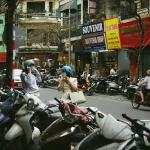
📷 Featured image by Dawid Tkocz on Unsplash.