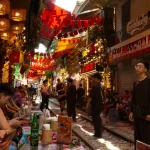
You land in Vietnam, open your phone, and find thousands of food tour listings with nearly identical photos and five-star reviews. Prices range from the cost of a coffee to the cost of a hotel room. It is hard to tell which tours are worth your money and which just walk you past three tourist stalls. This guide explains what food tours actually deliver in 2026, who benefits most, and how to pick a good one.
What a Food Tour Really Is (and Isn’t)
A food tour is a guided tasting session, usually three to four hours, with a local guide who takes you through several stops and explains each dish. You eat small portions at each place, so you can sample five to eight dishes without getting full on the first one.
It is not a cooking class, and it is not a full meal. It is also not a replacement for eating on your own. Think of it as a short course in how Vietnamese people eat. The best tours teach you skills you keep using for the rest of your trip: how to order, what to add to your bowl, and how to read a menu with no English.
Why Vietnamese Food Needs a Guide
Vietnamese cooking looks simple from the outside, but the details matter. A bowl of pho in the North is built around a clear, restrained broth with little garnish. In the South, the same dish often arrives with a plate of bean sprouts, basil, and hoisin and chilli sauces on the side. Central Vietnam leans heavier on chilli, shrimp paste, and small, intensely flavoured dishes that trace back to the old imperial kitchens in Hue.
Without context, you miss these differences. You might not know that the leafy plate on your table is meant to be torn and added to each bite, or that the dipping sauce changes the dish completely. A guide explains the history, the ingredients, and the reason a certain noodle is eaten only at breakfast. That story is what separates a tasting tour from simply eating lunch.
The sensory side matters too. A good guide pauses so you can hear the sizzle of banh xeo batter hitting a hot pan, or smell the charcoal smoke curling off grilled pork at dusk. You remember those moments long after the flavours fade.
Which Type of Tour Fits Your Trip
Not every tour suits every traveller. These are the main formats you will see in 2026:

- Walking tours: The classic format. Small groups move between stops on foot, which suits compact, walkable neighbourhoods. Good for first-timers and anyone who likes a slower pace.
- Motorbike or scooter tours: You ride as a passenger with a driver-guide, which lets you cover 10–20 km and reach spots that are too far to walk. Better for confident travellers and big cities with spread-out food areas.
- Night tours: Many dishes, such as grilled meats, seafood, and sweet soups, come alive after dark. Evenings are cooler and busier, with a livelier atmosphere.
- Breakfast tours: Noodle soups and rice dishes are traditionally morning food. Starting at 7:00 a.m. gets you the freshest versions.
- Plant-based tours: Built around Buddhist vegetarian cooking, with tofu, mushrooms, and vegetable broths. A good choice for vegetarians and vegans.
- Tour plus cooking class: Combines tasting with hands-on cooking. It runs longer and costs more, but you take home a recipe.
What Has Changed Since 2024
The tour scene has matured quickly. Several shifts are worth knowing about in 2026:
- Cashless payment is the norm. QR code payments are now accepted at most tour stops, and operators often handle all payments for you. You rarely need to carry large amounts of cash on a tour.
- Smaller groups are common. After the post-pandemic tourism rebound, many reputable operators cap groups at 6–10 people to keep quality up and avoid blocking narrow lanes.
- International attention is higher. The arrival of the Michelin Guide in Vietnam in 2024 pushed the spotlight onto local cooking. Some tours now mention recognised dishes, but street food remains the core of most itineraries.
- Dietary options have improved. Vegetarian, vegan, halal-friendly, and allergy-aware tours are far easier to find than two years ago.
- The 90-day e-visa lets visitors stay longer, so many travellers now book a food tour early in a long trip and use what they learn for the weeks that follow.
2026 Budget Reality
Prices depend on group size, transport, and how many stops are included. Here are typical ranges per person in 2026:
- Budget: 600,000–900,000 VND ($24–36). Shared walking tour, larger group, 4–5 tastings.
- Mid-range: 1,000,000–1,500,000 VND ($40–60). Small group, 6–8 tastings, drinks included, stronger storytelling.
- Comfortable: 1,800,000–3,000,000 VND ($72–120). Private guide, motorbike or car transport, flexible route, or a tour plus cooking class.
For comparison, a single street-food dish typically costs 30,000–60,000 VND ($1.20–2.40). You are paying for the guide, the planning, and the explanation, not just the food. If a tour costs far less than the budget range, ask what is actually included.
How to Choose a Good Tour
Use this checklist before you book:
- Check the group size. Ten or fewer is ideal. Large groups mean slow service and little time with your guide.
- Look for a clear itinerary. Good tours list the dishes or at least the food types. Vague descriptions like “taste local delights” often signal a thin experience.
- Confirm what is included. All food, water, and at least one drink should be covered. Extra charges at each stop are a bad sign.
- Read recent reviews. Look at reviews from the last six months and pay attention to comments about the guide’s knowledge, not just the food.
- Ask about dietary needs. A reliable operator will answer questions about allergies, pork-free options, or vegetarian swaps clearly and quickly.
- Look for local guides. Guides who grew up eating these dishes explain them with a depth that scripted guides cannot match.
- Match the pace to you. If you dislike crowds or long walks, choose a tour that states its walking distance and duration.
Red Flags to Avoid
Some tours are built to move you through quickly, not to feed you well. Watch for these signs:
- Stops that feel like staged tourist venues with no local customers.
- Pressure to buy souvenirs, coffee beans, or extra drinks.
- No guide introduction at the start, or a guide who reads from a script.
- Unrealistically low prices with “optional” costs added later.
- Itineraries that pack ten or more stops into three hours.
- No answer when you ask about group size or allergies.
When to Skip the Tour
A food tour is not essential for everyone. You may not need one if you are an experienced Southeast Asia traveller who is comfortable pointing, tasting, and experimenting. If you only have a day in a city, you might prefer wandering freely at your own pace. Travellers on very tight budgets can also learn plenty by watching how locals order and eat, then copying them.

A tour works best when you want context, have limited time, travel solo, or feel nervous about ordering. If any of those apply, it is likely worth the spend.
Frequently Asked Questions
Are food tours in Vietnam worth it?
For first-time visitors, yes. A good guide explains each dish, helps you order, and introduces flavours you might skip alone. If you will be in Vietnam for several weeks, one tour early in your trip is usually enough to teach you how to eat confidently on your own.
Are food tours safe for sensitive stomachs?
Generally yes. Guides pick busy stalls with high turnover, so food is freshly cooked. Still, tell your guide about allergies beforehand and carry hand sanitiser. Most tour-related stomach problems come from eating too much rich food in one evening, not from poor hygiene.
How much should a food tour cost in 2026?
Expect 600,000–900,000 VND ($24–36) for a shared walking tour, 1,000,000–1,500,000 VND ($40–60) for a small-group mid-range tour, and 1,800,000 VND ($72) or more for private or motorbike tours. Always confirm that all food and drinks are included before you pay.
Can vegetarians or vegans join a food tour?
Yes, but book ahead. Vietnamese cooking often uses fish sauce, shrimp paste, and meat-based broths, so standard tours need changes. Many operators now offer plant-based routes inspired by Buddhist vegetarian cooking. Request this when booking, not on the day of the tour.
How long do tours last, and how much will I eat?
Most tours last three to four hours and include five to eight tastings. Portions are small, but they add up quickly. Skip a heavy lunch beforehand, wear loose clothing, and don’t feel obliged to finish every bite. Guides expect people to leave a little food behind.
📷 Featured image by buian_photos on Unsplash.