On this page
- Where to Sleep Without Draining Your Wallet
- Eating Well for Less: Where Locals Actually Eat
- Free and Low-Cost Things to Do
- Getting to Phu Quoc Without Paying Premium Prices
- Getting Around the Island on a Budget
- 2026 Budget Reality: What Things Actually Cost
- Budget Mistakes Most Visitors Make (And How to Avoid Them)
- Day Trip or Overnight? How Long You Actually Need
- Frequently Asked Questions
💰 Click here to see Vietnam Budget Breakdown
💰 Prices updated: October, 2026. Budget figures are estimates — always verify before travel.
Exchange Rate: $1 USD = ₫25,964.41
Daily Budget (per person)
Shoestring: ₫650,000 – ₫1,550,000 ($25.03 – $59.70)
Mid-range: ₫1,800,000 – ₫3,900,000 ($69.33 – $150.21)
Comfortable: ₫5,200,000 – ₫9,100,000 ($200.27 – $350.48)
Accommodation (per night)
Hostel/guesthouse: ₫120,000 – ₫350,000 ($4.62 – $13.48)
Mid-range hotel: ₫780,000 – ₫1,850,000 ($30.04 – $71.25)
Food (per meal)
Budget meal: ₫60,000.00 ($2.31)
Mid-range meal: ₫250,000.00 ($9.63)
Upscale meal: ₫800,000.00 ($30.81)
Transport
Single metro/bus trip: ₫10,000.00 ($0.39)
Monthly transport pass: ₫300,000.00 ($11.55)
Phu Quoc has a reputation problem. Mention the island to most travelers and they picture the Vinpearl resort strip, overpriced sunset cocktails, and cable car queues. That image isn’t wrong — it’s just incomplete. In 2026, the island still has a fully functioning local economy running parallel to the resort belt, and if you know where to look, you can have a genuinely great trip here for a fraction of what most visitors spend. The challenge is that budget information for Phu Quoc goes stale fast. New roads, new ferry terminals, and a wave of mid-range hotels that opened between 2024 and 2026 have changed the math considerably.
Where to Sleep Without Draining Your Wallet
The single biggest budget decision on Phu Quoc is which part of the island you base yourself in. Duong Dong town — the actual main town on the west coast — is dramatically cheaper than the Long Beach resort strip just south of it, or the Ong Lang beach area further North. A basic private room with air-con and hot water in Duong Dong runs around 250,000–400,000 VND (roughly $10–16 USD) per night. The same quality room on Long Beach costs double.
The town itself is walkable, has a proper local market, and puts you close to the night market and the main fishing harbour. It doesn’t feel like a resort, because it isn’t one — and that’s the point. You’re in an actual Vietnamese town where people live and work, not a purpose-built tourist zone.
Hostels have expanded significantly on Phu Quoc since 2024. A cluster of well-reviewed backpacker guesthouses now operates along Tran Hung Dao Street and the smaller lanes behind the night market. Dorm beds start at around 150,000 VND ($6 USD) in 2026. These places typically include breakfast, have motorbike rental arranged on-site, and are where you’ll meet other budget travelers who have already figured out the good-value beach spots.
Avoid booking accommodation on the south tip of the island (An Thoi area) unless you’re specifically there for the cable car or island-hopping tours. It’s inconvenient for everything else and not particularly cheap.
Eating Well for Less: Where Locals Actually Eat
Phu Quoc has its own distinct food identity, and the cheapest places to eat are also the most interesting ones. The island’s signature dish is bun quay — a local noodle soup where you pull noodles yourself at the table from a tray of fresh, hand-spun rice noodles, then dip them in a rich seafood broth. You’ll smell the broth before you see the stall — a deep, slightly briny fragrance from simmering fish bones and dried shrimp that hangs in the air around the market streets in the early morning. A full bowl costs 40,000–60,000 VND ($1.60–2.40 USD).
For breakfast and lunch, the Duong Dong market area (Cho Duong Dong) is the right address. Stalls on the ground floor and the surrounding streets serve com tam (broken rice with grilled pork), banh mi, and fresh fruit. Budget 50,000–80,000 VND ($2–3.20 USD) for a full meal with a drink.
The Phu Quoc Night Market on Vo Thi Sau Street runs every evening and has a dual personality. The seafood section in the middle is heavily tourist-priced — grilled prawns and lobster sold by weight add up quickly. But the outer ring of the market, where local stalls sell banh xeo (sizzling stuffed pancakes), grilled corn, and fresh sugarcane juice, is genuinely cheap. Eat from the outer stalls and you’ll spend 80,000–120,000 VND ($3.20–4.80 USD) for a satisfying dinner.

For seafood without the tourist markup, go to Ham Ninh fishing village on the east coast. The restaurants here are run by fishing families and the prices reflect that. A plate of fresh steamed crab costs around 150,000–200,000 VND ($6–8 USD) — roughly a third of what the same crab costs at a Long Beach seafood restaurant.
Free and Low-Cost Things to Do
Phu Quoc’s best asset — its beaches — costs nothing to access. Bai Sao on the south-east coast is regularly listed among Vietnam’s finest beaches and there is no entry fee. The water is clear, shallow for a long way out, and the sand is the powdery white kind that squeaks slightly underfoot. Get there before 9am and you’ll have long stretches almost to yourself before the day-trip minibuses arrive.
Bai Dai (Long Beach North) in the north-west is another free option that’s far less developed than Long Beach proper. A handful of simple beach bars operate here, but there’s no pressure and no sun-lounger rental mafia.
The Phu Quoc National Park covers more than half the island and hiking trails run through it at no charge. The trail from Ganh Dau village to the northern tip is the most rewarding — about 3 kilometres each way through dense jungle with views across to Cambodia on a clear day. Bring water. It’s humid even in the dry season.
Ham Ninh village is worth a visit in its own right beyond the food. It’s one of the oldest settlements on the island and the wooden stilt houses over the water give a sense of what Phu Quoc looked like before the resort construction wave. The walk from the parking area along the pier takes about 20 minutes and costs nothing.

The Phu Quoc Prison Museum (Nha Tu Phu Quoc) is a sobering but historically important site on the south of the island. Entry is 40,000 VND ($1.60 USD). It documents the conditions for prisoners held here during the American War period and is one of the more thoughtfully presented war museums in southern Vietnam.
Getting to Phu Quoc Without Paying Premium Prices
Flying is the most common way to reach Phu Quoc, and the price gap between planning ahead and booking last-minute is enormous. In 2026, VietJet, Bamboo Airways, and Vietnam Airlines all fly direct from Ho Chi Minh City (Tan Son Nhat) with flight times around 50 minutes. Book four to six weeks out and you can regularly find VietJet fares for 400,000–700,000 VND ($16–28 USD) one way. Leave it to a week before and the same flight often costs three times that.
From Hanoi, direct flights take around 2 hours. The same forward-booking logic applies. Bamboo Airways added a second daily Hanoi–Phu Quoc service in late 2024 which has kept prices slightly more competitive on that route than they were before.
The ferry option is genuinely budget-friendly if you’re coming from the Mekong Delta. The Rach Gia–Phu Quoc ferry (Superdong or Phu Quoc Express) takes around 2.5 hours and costs 280,000–350,000 VND ($11–14 USD) one way. The Ha Tien–Phu Quoc route is shorter (about 1 hour) and costs slightly less. Ha Tien is about 90 kilometres from the Cambodian border crossing at Moc Bai, which makes this a popular route for people combining Cambodia and Vietnam.
The new Ha Tien ferry terminal that opened in mid-2025 has made the Ha Tien–Phu Quoc connection smoother, with covered waiting areas and more consistent departures than the old facility allowed.
Getting Around the Island on a Budget
Renting a motorbike is the practical choice for independent travel on Phu Quoc. The island is about 50 kilometres from north to south but the main things you’ll want to see are spread across it, and public transport barely exists outside of Duong Dong town. Most guesthouses and hostels can arrange semi-automatic motorbike rental for 100,000–150,000 VND ($4–6 USD) per day. Manual bikes are around the same price.

The road network improved significantly between 2023 and 2025. The north-south highway running through the island’s centre is now fully sealed and well-maintained, making the northern reaches accessible without the off-road challenges they posed a few years ago. The coastal road on the east side is also in much better shape.
Petrol stations are reliable throughout the island. A full tank on a standard 110cc motorbike costs around 60,000–80,000 VND ($2.40–3.20 USD) and is enough for a full day of touring.
If you don’t ride a motorbike, xe om (motorbike taxi) drivers operate throughout Duong Dong and can be booked for half-day or full-day trips at negotiated rates. Expect to pay 300,000–400,000 VND ($12–16 USD) for a full day. Grab is available on Phu Quoc in 2026 but coverage is patchy outside the main town and Long Beach area.
2026 Budget Reality: What Things Actually Cost
Here’s an honest breakdown of what a day on Phu Quoc actually costs at different spending levels in 2026:
- Budget (tight backpacker): Dorm bed 150,000 VND + three local meals 200,000 VND + motorbike rental 130,000 VND + petrol 70,000 VND + water/snacks 50,000 VND = approximately 600,000 VND ($24 USD) per day
- Mid-range (private room, selective splurges): Private guesthouse room 350,000 VND + meals mixing local spots and one proper seafood dinner 450,000 VND + motorbike or taxi 200,000 VND + one paid attraction 100,000 VND = approximately 1,100,000 VND ($44 USD) per day
- Comfortable (nice guesthouse, no resort): Good mid-range hotel in Duong Dong 600,000 VND + meals including Ham Ninh seafood 700,000 VND + transport 250,000 VND + activities 200,000 VND = approximately 1,750,000 VND ($70 USD) per day
The Vinpearl cable car to Hon Thom island — the world’s longest non-stop cable car — costs 700,000 VND ($28 USD) for adults in 2026. It’s a genuine spectacle, but it’s the one item that blows the budget most noticeably. The views of the South China Sea and the chain of small islands below are striking, but weigh it against what else that money buys you on the island before deciding.
Budget Mistakes Most Visitors Make (And How to Avoid Them)
The most expensive mistake is booking accommodation on Long Beach without comparing Duong Dong prices. The beach at Long Beach is average — there are better, quieter beaches a short motorbike ride away — and the convenience premium you pay for the resort strip location delivers very little that you couldn’t access anyway with a bike.
Buying fish sauce as a souvenir at the night market tourist stalls is another money pit. Phu Quoc fish sauce (nuoc mam) is genuinely world-class and makes a great gift, but the tourist stalls charge three to four times the price of the same bottles sold at the Duong Dong market or at small shops in town. Look for the local brands like Thanh Ha or Khai Hoan sold in proper bottles with labels — 250ml costs around 60,000–80,000 VND ($2.40–3.20 USD) from a local shop.
Booking a “snorkelling island-hopping tour” through a hotel desk adds a 30–50% commission. The same tours — same boats, same islands — can be booked directly at An Thoi harbour for 300,000–400,000 VND ($12–16 USD) per person including lunch. Walk down and ask directly at the boat operators along the jetty.
Finally, underestimating how much petrol you’ll use leads to people paying inflated prices at non-station vendors. Start each day with a full tank from a proper petrol station rather than topping up from roadside vendors who charge significantly more per litre.
Day Trip or Overnight? How Long You Actually Need
Phu Quoc is not a day trip. The island sits about 45 minutes by air from Ho Chi Minh City, and some people do fly in and out in a day, but the airport transfer time, the spread of the island’s highlights, and the simple logistics of getting between places mean a day trip gives you a rushed, surface-level experience.
Three nights is the practical minimum for a budget-focused trip where you want to actually see the island rather than just sit on one beach. That gives you: one day for the northern tip, national park edge, and Ganh Dau; one day for Bai Sao and Ham Ninh in the south-east; and one day for the town itself, the night market, and any specific activity you’ve prioritised.
Five to seven nights is the sweet spot if you want to explore more slowly — try different beaches, take the island-hopping boat tour, hike properly in the national park, and settle into the rhythm of the place. At budget daily costs of around 600,000–1,100,000 VND, a five-night trip remains affordable even with a return flight factored in.
If you’re genuinely pressed for time, two nights is survivable — prioritise Bai Sao, one good meal in Ham Ninh, and an evening at the night market. But anything less than that and you’ll leave feeling like you only saw the tourist layer.
Frequently Asked Questions
Is Phu Quoc still worth visiting on a budget in 2026?
Yes, genuinely. While the resort end of the island has become more expensive, the local town of Duong Dong and the wider island still function as affordable destinations. Budget travelers spending around 600,000–1,000,000 VND ($24–40 USD) per day can eat well, ride freely, and access excellent beaches without touching the resort infrastructure at all.
What is the cheapest way to get to Phu Quoc from Ho Chi Minh City?
The cheapest reliable option is a budget airline (VietJet or Bamboo Airways) booked four to six weeks ahead, often available for 400,000–700,000 VND ($16–28 USD) one way. The ferry via Rach Gia is cheaper in ticket price but requires a bus connection from Ho Chi Minh City, making the total journey around eight hours and often comparable in total cost.
Do I need a visa to visit Phu Quoc in 2026?
Phu Quoc’s special economic zone previously allowed 30-day visa-free stays for most nationalities who arrived directly on the island without entering mainland Vietnam first. As of 2026, Vietnam’s e-visa policy now grants 90-day single-entry visas to citizens of most countries at low cost, making the Phu Quoc-specific rule less relevant for most visitors. Check the latest e-visa regulations before traveling.
Which beach on Phu Quoc is best for budget travelers?
Bai Sao on the south-east coast is the standout choice — stunning white sand, clear shallow water, free to access, and with simple local food stalls nearby. Bai Dai in the north-west is a good alternative with more space and almost no development. Both require a motorbike or hired transport to reach, which adds minimal cost.
Is it safe to rent a motorbike on Phu Quoc?
Phu Quoc’s roads are generally well-maintained in 2026 and traffic is lighter than mainland cities. That said, some rental bikes are poorly maintained — check brakes, tyre pressure, and lights before accepting any bike. Ride cautiously on the narrower jungle tracks in the national park area, especially after rain when surfaces become slippery. A basic helmet is always provided with rental.
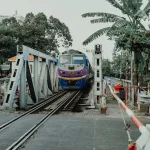
📷 Featured image by Udara Karunarathna on Unsplash.