💰 Click here to see Vietnam Budget Breakdown
💰 Prices updated: November, 2026. Budget figures are estimates — always verify before travel.
Exchange Rate: $1 USD = ₫25,797.29
Daily Budget (per person)
Shoestring: ₫700,000 – ₫1,100,000 ($27.13 – $42.64)
Mid-range: ₫1,500,000 – ₫2,800,000 ($58.15 – $108.54)
Comfortable: ₫3,000,000 – ₫5,500,000 ($116.29 – $213.20)
Accommodation (per night)
Hostel/guesthouse: ₫120,000 – ₫470,000 ($4.65 – $18.22)
Mid-range hotel: ₫700,000 – ₫1,800,000 ($27.13 – $69.77)
Food (per meal)
Budget meal: ₫40,000.00 ($1.55)
Mid-range meal: ₫150,000.00 ($5.81)
Upscale meal: ₫1,000,000.00 ($38.76)
Transport
Single metro/bus trip: ₫10,000.00 ($0.39)
Monthly transport pass: ₫500,000.00 ($19.38)
Phu Quoc is Vietnam’s biggest island, and that is the problem. Many travellers book a resort on the wrong coast, then spend a good part of their trip in 40-minute taxi rides. In 2026 the island has more flights, more hotels and more building sites than ever. Choosing your base well matters more now than it did two years ago. This guide shows you which beach, which resort area and which activities fit your trip.
Why Phu Quoc Works Differently in 2026
About half the island is protected forest and national park, which is why Phu Quoc still feels green despite the development. The west coast holds the main town of Duong Dong, the airport and the busiest beaches. The south has the An Thoi port and the Sunset Town complex. The North and east stay wild, with red dirt roads, pepper farms and quiet fishing villages.
Several things have changed since 2024. International flights into Phu Quoc airport have grown, and the airport has expanded to handle the crowds. Since the 2025 provincial merger, the island is administered as part of An Giang province, though you will notice no difference as a visitor. Large resort districts in the south now run nightly shows and events, so the south feels more like a resort town than it did a few years ago.
Best Beaches by Coast
Sao Beach (Bai Sao), southeast
This is the postcard beach: powder-white sand, shallow turquoise water and a few beach clubs. Go before 10:00 on a weekday. By midday the tour buses arrive and the music starts. In the rainy season this coast is calmer than the west.
Khem Beach (Bai Khem), southeast
Khem is softer and quieter than Sao, with fine sand that squeaks underfoot. It is home to several upscale resorts, and the water stays calm for children.
Long Beach (Bai Truong), west
This 20 km strip runs north from Duong Dong. It is not the prettiest sand, but it has the most restaurants, bars and sunset views. Walk the shoreline at 17:30 and you will see the sky turn orange behind the fishing boats.
Ong Lang, west
A relaxed stretch of small boutique stays, hammocks and cafes. The beach is narrow, but the mood is easy and the crowds are thin.
Dai Beach (Bai Dai), northwest
A long, wide beach backed by big resort complexes. It is best for families who want everything inside one property.
For quiet water, look at Vung Bau and the Rach Vem starfish area in the north. Rach Vem is better for a short visit than a swim, since the shallows can be muddy.

Where to Stay: Resort Areas for Every Style
Long Beach and Duong Dong suit first-timers, backpackers and anyone who wants restaurants within walking distance. Rooms range from simple guesthouses to mid-range beachfront hotels.
Ong Lang suits couples and slow travellers. Mango Bay, a long-standing eco-style resort, is the best-known name here, set in garden bungalows.
The southeast (Sao and Khem) is where the luxury sits. JW Marriott Phu Quoc Emerald Bay on Khem Beach is the standout, with its distinctive university-themed design. The area is peaceful, but you will rely on resort shuttles or taxis to eat anywhere else.
Bai Dai has the large all-in-one resorts, such as Vinpearl Resort & Spa, plus easy access to the safari park and theme park. It works for families who plan to stay put.
An Thoi and the south make sense if you want the cable car, island-hopping boats and the evening shows at Sunset Town on your doorstep.
Activities Beyond the Sand
- Island hopping in the An Thoi archipelago: A full-day boat trip stops at three or four small islands such as Hon Mong Tay and Hon Dam Ngang for snorkelling and lunch. Choose the dry season, as rough seas cancel trips in the wet months.
- Hon Thom cable car: At about 7.9 km, it is among the longest sea-crossing cable cars in the world. The ride takes around 15 minutes, with a wide view of fishing boats and green islets. At the Hon Thom end there is a water park.
- Phu Quoc National Park: Easy walks and short treks lead through forest in the north. Go early, when it is cool and the cicadas are loud.
- Night squid fishing: Evening boats take small groups out to fish under bright lights, usually ending with a simple meal on board.
- Fish sauce and pepper farms: Visit a fish sauce barrel house and the smell of fermenting anchovies hits you at the door. Phu Quoc’s fish sauce is protected by origin labelling, and a bottle makes a good gift. Pepper farms sell fresh green peppercorns.
- Diving and snorkelling: The south and the Hon Thom area have the best reef, with the clearest water from December to April.

Where to Eat
Seafood is the headline, and the best places are not always the fanciest. At the Ham Ninh fishing village on the east coast, you pick live crab from a tank, and it arrives steaming at a table over the water. Ham Ninh crab has a sweet, firm meat that is worth the 25-minute drive from town.
Other dishes to find:
- Grilled sea urchin with spring onion oil: You hear it crackle on the grill before it reaches the table.
- Herring salad (goi ca trich): Raw herring with herbs, coconut and peanuts, wrapped in rice paper.
- Bun quay: Fresh rice noodles with house-made fish cake and a clear sauce you mix at the table, a local breakfast.
The Phu Quoc Night Market in Duong Dong is the easiest place to compare options. Charcoal smoke drifts between rows of live shellfish and grilled skewers. Check prices by weight before you order, and ask for the total in writing if the stall is vague. Many travellers prefer the quieter family-run restaurants along the north side of town, where the same seafood costs less.
Day Trip or Overnight?
Phu Quoc is an overnight destination, not a day trip. Even with the 1-hour flight from Ho Chi Minh City, the airport transfers and the island’s size eat up the day. Stay at least three nights to see the south, the north and one good beach day.
If you have only two nights, split them: one near the airport and Long Beach, and one in the southeast. Budget one full day for island hopping and one for the cable car and Sunset Town.
Day trips make sense once you are on the island. A south-coast circuit covers An Thoi, the cable car and Sao Beach in one long day. A north-side trip covers the national park, pepper farms and Rach Vem.
Getting to Phu Quoc
By air: This is the easiest way. Flights from Ho Chi Minh City take about 1 hour, and from Hanoi about 2 hours 10 minutes. Fares range from about 800,000 to 2,500,000 VND ($31–96) one way, depending on the season. Da Nang and other cities also connect, and a growing number of international routes fly in directly.

By ferry: Fast ferries run from Ha Tien (about 1 hour 15 minutes) and Rach Gia (about 2 hours 30 minutes) to the island. Fares are around 300,000 to 350,000 VND ($12–14) one way. Ha Tien is the shorter crossing and the better choice.
By train: There is no train to Phu Quoc, and no train line serves the Mekong Delta. The overland route from Ho Chi Minh City is a bus to Ha Tien or Rach Gia, followed by the ferry. It takes 8 to 9 hours and is mainly for travellers already exploring the delta.
Getting Around the Island
Distances catch people out. The airport to the southeast beaches takes about 30 to 40 minutes, and Duong Dong to the north can take an hour.
- Scooter rental: About 120,000 to 200,000 VND ($5–8) a day. Roads are good, but traffic and sandy shoulders cause accidents, so confirm your licence and insurance first.
- Ride-hailing: Grab and similar apps work around Duong Dong and the south. Fares are reasonable and avoid the metered-taxi haggling.
- Hotel shuttles and private cars: Good for airport transfers and full-day tours, usually 600,000 to 1,200,000 VND ($23–46) per day for a car and driver.
2026 Budget Reality
Phu Quoc costs more than the mainland for seafood and resorts, but it still has good options at every level. Rates spike over Tet and the peak months from December to March.
- Budget: Hostel or guesthouse 300,000–700,000 VND ($12–27); street meals 50,000–100,000 VND ($2–4); scooter 120,000–200,000 VND ($5–8). Around 900,000–1,300,000 VND ($35–50) a day.
- Mid-range: Hotel or small resort 1,500,000–3,500,000 VND ($58–135); seafood dinner 300,000–600,000 VND ($12–23); island-hopping tour 600,000–900,000 VND ($23–35). Around 2,500,000–4,500,000 VND ($96–173) a day.
- Comfortable: Luxury beachfront resort 5,000,000–15,000,000 VND ($192–577) a night; private boat or premium tours from 3,000,000 VND ($115). Around 7,000,000 VND ($270) a day and up.
Cable car tickets run from roughly 600,000 VND ($23) for a return, and theme parks cost more.
Frequently Asked Questions
When is the best time to visit Phu Quoc?
November to April is the best window. Skies are mostly clear, seas are calm, and temperatures sit around 26–32°C. May to October brings afternoon downpours and rougher water, which can cancel island-hopping tours, but hotel rates drop sharply and the island is much quieter.
Do I need a visa for Phu Quoc?
Phu Quoc has long allowed 30-day visa-free entry for most nationalities arriving directly on the island. Many travellers also qualify for mainland visa exemptions, and e-visas last up to 90 days. Rules change, so confirm with official Vietnamese immigration sources before you book flights.

Is Phu Quoc expensive compared with the mainland?
Yes, a little. Seafood, resorts and tours cost more than in Hanoi or Ho Chi Minh City because many goods arrive by ship. Even so, it is often cheaper than comparable Thai islands. Budget travellers can manage on about 1,000,000 VND ($40) a day outside peak season.
Can you swim at Phu Quoc year-round?
Yes, but pick the right coast. From November to April, the west coast, including Long Beach and Ong Lang, is calm. During the May–October southwest monsoon, waves hit the west, so head to the sheltered southeast, such as Sao and Khem beaches. Obey red flags and jellyfish warnings.
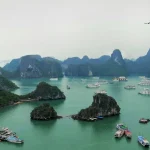
📷 Featured image by Andrea De Santis on Unsplash.