On this page
- The Sand Dunes: Red and White, and How to Do Them Right
- Kitesurfing and Wind Sports: Mui Ne’s Global Reputation
- The Fairy Stream and Fishing Village: Slower Mui Ne
- Where to Eat: Seafood, Bánh Canh, and the Main Strip
- Day Trip or Overnight? Making the Call
- Getting to Mui Ne in 2026
- Getting Around Once You’re There
- 2026 Budget Reality
- Frequently Asked Questions
💰 Click here to see Vietnam Budget Breakdown
💰 Prices updated: October, 2026. Budget figures are estimates — always verify before travel.
Exchange Rate: $1 USD = ₫25,964.41
Daily Budget (per person)
Shoestring: ₫650,000 – ₫1,550,000 ($25.03 – $59.70)
Mid-range: ₫1,800,000 – ₫3,900,000 ($69.33 – $150.21)
Comfortable: ₫5,200,000 – ₫9,100,000 ($200.27 – $350.48)
Accommodation (per night)
Hostel/guesthouse: ₫120,000 – ₫350,000 ($4.62 – $13.48)
Mid-range hotel: ₫780,000 – ₫1,850,000 ($30.04 – $71.25)
Food (per meal)
Budget meal: ₫60,000.00 ($2.31)
Mid-range meal: ₫250,000.00 ($9.63)
Upscale meal: ₫800,000.00 ($30.81)
Transport
Single metro/bus trip: ₫10,000.00 ($0.39)
Monthly transport pass: ₫300,000.00 ($11.55)
Mui Ne has a reputation problem — not because it’s bad, but because people misread it. Some arrive expecting a quiet fishing village and find a kitesurfing hub packed with Russian-owned resorts. Others expect a party beach and find an empty stretch of coast baking under 35°C heat. The reality in 2026 is somewhere in between: Mui Ne is a genuinely exciting destination if you know what it actually offers. This guide cuts through the noise and tells you exactly what to do, eat, and expect.
The Sand Dunes: Red and White, and How to Do Them Right
The dunes are why most people make the trip, and they deliver — but only if you time them correctly. Mui Ne has two distinct dune systems, and they feel nothing alike.
The Red Sand Dunes (Đồi Cát Đỏ) sit about 1.5 kilometres from the main resort strip. They’re smaller, easier to reach, and completely overrun by plastic sled vendors from about 8am onward. If you go at sunrise — meaning you arrive by 5:30am — you get amber-lit ridgelines, cool air, and almost no one around. The wind lifts fine red dust in thin sheets across the surface. An hour later, it’s a different place entirely.
The White Sand Dunes (Bàu Trắng) are 50 kilometres north of town near Bình Thạnh. These are the ones worth the journey. The scale stops you mid-step — sweeping pale hills that drop into two freshwater lakes below. Jeep tours from town leave before dawn, typically reaching the white dunes for sunrise. Expect to pay around 600,000–900,000 VND (approximately $24–$36 USD) for a shared jeep with a small group. Going solo by motorbike is faster and cheaper, but the road north requires confidence on two wheels.
Avoid sandboarding mid-morning at either dune. The sand heats up fast and the sleds barely move on dry, compacted surfaces. Vendors will still try to rent them to you.
Kitesurfing and Wind Sports: Mui Ne’s Global Reputation
Mui Ne sits in a wind corridor that makes it one of Southeast Asia’s most consistent kitesurfing destinations. The northeast monsoon runs from November through April, delivering steady 15–25 knot winds almost daily. This isn’t marketing language — professional kiters travel here specifically because the wind is that reliable.
The main kite beach stretches along the northern end of Mui Ne Bay. In peak season, the water is dotted with coloured kites from 9am until late afternoon, the lines crossing and dipping in a rhythm that looks chaotic but follows strict right-of-way rules. The flat, shallow water makes it beginner-friendly compared to open-ocean kite spots.
Several schools operate year-round. C2Sky and Windchimes Kitesurfing have both maintained strong reputations through 2026, with IKO-certified instructors. A beginner course (typically 9–12 hours of water time) runs 6,000,000–8,500,000 VND ($240–$340 USD). Gear rental for experienced riders costs around 700,000–1,000,000 VND ($28–$40 USD) per half-day.
If kitesurfing isn’t your thing, windsurfing lessons are available through the same schools. Stand-up paddleboarding is calmer and works better in the morning before the wind picks up.
The Fairy Stream and Fishing Village: Slower Mui Ne
Most visitors spend two days chasing adrenaline and never find the quieter side of Mui Ne. That’s their loss.
The Fairy Stream (Suối Tiên) is a shallow creek that cuts through red and white sandstone formations about 3 kilometres west of the main strip. You wade through ankle-deep water — cool, slightly gritty underfoot — between walls of eroded clay in rust and cream. It takes about 30–40 minutes to walk to the bamboo bridge at the end and back. Go late afternoon when the light turns the cliffs deep orange. Entry is free but a small donation box sits at the entrance.
The Mui Ne Fishing Village, just east of the resort area, operates on its own schedule. Fishing boats return before dawn — if you’re awake at 5am, you can watch the catch being sorted and sold directly on the beach while the sky shifts from black to grey to pink. Baskets of squid, mackerel, and shellfish move fast. The smell is briny and intense, and the whole scene wraps up by 7am. It’s genuine, unhurried, and completely free.
Where to Eat: Seafood, Bánh Canh, and the Main Strip
Mui Ne’s food scene divides cleanly into two zones: the resort strip (overpriced, aimed at foreign tourists) and the local eating spots one street back or east toward the fishing village (excellent, very cheap).
For seafood, walk to the cluster of open-air restaurants near the fishing village on Nguyen Dinh Chieu Street’s eastern end. Order grilled clams with spring onion oil, steamed crab, or fresh squid. A full meal for two with drinks costs 300,000–500,000 VND ($12–$20 USD) without the tourist markup.
Bánh canh chả cá — thick rice-flour noodles in a light fish cake broth — is the local breakfast dish Mui Ne does better than almost anywhere else in southern Vietnam. Look for small stalls near the market area on Huynh Thuc Khang Street, open from 6am. A bowl costs 35,000–50,000 VND ($1.40–$2 USD).
For coffee, Mui Ne has a handful of small local shops that open early for fishermen. The strong, slow-dripped Vietnamese iced coffee here is as good as anything you’ll find in a city café.
Day Trip or Overnight? Making the Call
From Ho Chi Minh City, Mui Ne is about 200 kilometres northeast — roughly 4.5 to 5 hours by bus or car. It is technically a day trip, but it’s a bad one. You lose 9–10 hours in transit and arrive exhausted with only a few hours at the destination.
The honest answer: stay at least two nights. One night lets you catch one sunrise (dunes or fishing village) and one activity. Two nights lets you do both dune systems, a half-day kite lesson or beach afternoon, and eat properly. Three nights is comfortable if you’re doing a full kite course.
The one exception: if you’re travelling the Saigon–Dalat route and Mui Ne sits directly on your path, an overnight stop makes sense as a break rather than a destination in itself.
Getting to Mui Ne in 2026
There is no train station in Mui Ne. The nearest rail connection is Muong Man station (also called Binh Thuan), about 12 kilometres from town — a short taxi ride away. Trains from Ho Chi Minh City take approximately 4 hours to Muong Man and depart multiple times daily.
By bus, the most comfortable option is a sleeper bus from Ho Chi Minh City’s Mien Dong bus station. Futa Bus and Sinh Tourist both run direct services. Journey time is 5–6 hours depending on traffic. Cost: 150,000–220,000 VND ($6–$9 USD).
The nearest airport is Phan Thiet Airport, which opened for domestic commercial flights in late 2023 and by 2026 handles regular routes from Hanoi and Da Nang via Vietnam Airlines and VietJet. This has significantly cut travel time from the north — Hanoi to Phan Thiet is now a 90-minute flight rather than a 12-hour bus ride. The airport sits about 30 kilometres from Mui Ne; taxis and shuttle services cover the gap in 35–40 minutes.
Getting Around Once You’re There
Mui Ne is a long, linear town — everything spreads along one coastal road for about 10 kilometres. This makes walking impractical for most trips.
- Motorbike rental is the best option. Expect to pay 120,000–180,000 VND ($5–$7 USD) per day for a semi-automatic or manual bike from a local shop. Always check the brakes and lights before accepting the bike.
- Grab (ride-hailing) works in Mui Ne in 2026, though coverage is thinner than in major cities. Wait times can stretch to 15–20 minutes during peak morning hours.
- Xe om (motorbike taxis) are available near the market and main resort cluster. Agree on a price before you get on — short trips should cost 30,000–50,000 VND ($1.20–$2 USD).
2026 Budget Reality
Prices in Mui Ne have risen since 2024, partly due to increased domestic tourism and the opening of Phan Thiet Airport bringing more visitors from the north. That said, it remains cheaper than Hoi An or Nha Trang for equivalent quality.
- Budget: Dorm bed 120,000–180,000 VND/night ($5–$7 USD). Street food meals 35,000–80,000 VND ($1.40–$3.20 USD). Motorbike rental included. Daily spend: roughly 500,000–700,000 VND ($20–$28 USD).
- Mid-range: Private guesthouse or small resort with pool, 600,000–1,200,000 VND/night ($24–$48 USD). Restaurant meals for two, 300,000–500,000 VND ($12–$20 USD). Daily spend: 1,500,000–2,500,000 VND ($60–$100 USD).
- Comfortable: Beachfront resort, 2,000,000–5,000,000 VND/night ($80–$200 USD). Activities (kite lesson, jeep tour), 600,000–2,000,000 VND ($24–$80 USD). Daily spend: 4,000,000–8,000,000 VND ($160–$320 USD).
The biggest variable is activities. A full beginner kite course pushes costs up significantly regardless of your accommodation tier.
Frequently Asked Questions
What is the best time of year to visit Mui Ne?
November through April is peak season — the northeast monsoon brings consistent winds for kitesurfing and dry, sunny weather for the dunes. May to October is the wet season with calmer winds and occasional heavy rain. Kite schools have less activity in the off-season but accommodation prices drop noticeably and the beaches are quieter.
Is Mui Ne good for non-surfers and non-kiters?
Yes. The sand dunes, fishing village, Fairy Stream, and seafood scene have nothing to do with wind sports. Families and older travellers visit Mui Ne comfortably. The resort infrastructure is good, and the beach itself is enjoyable outside of peak wind hours in the afternoon.
How far is Mui Ne from Ho Chi Minh City?
Approximately 200 kilometres by road. Sleeper buses take 5–6 hours; trains to Muong Man station take around 4 hours plus a short taxi transfer. Travellers from Hanoi and Da Nang now have a direct flight option into Phan Thiet Airport, about 30 kilometres from town.
Is Mui Ne safe for solo female travellers?
Generally yes. The main resort strip is well-lit and busy at night. The usual precautions apply: don’t leave drinks unattended, use Grab instead of unmarked taxis at night, and keep valuables secured at your accommodation. The town has a relaxed, low-aggression atmosphere compared to larger Vietnamese cities.
Do I need to book kitesurfing lessons in advance?
During peak season (December through March), yes — especially for a multi-day beginner course. Schools fill up fast when the wind is consistent. In April or early November, walk-in bookings are usually possible. Email schools a week ahead in high season to secure your spot and confirm the instructor-to-student ratio.
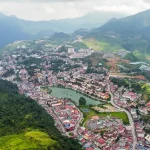
📷 Featured image by Richard James on Unsplash.