💰 Click here to see Vietnam Budget Breakdown
💰 Prices updated: October, 2026. Budget figures are estimates — always verify before travel.
Exchange Rate: $1 USD = ₫25,964.41
Daily Budget (per person)
Shoestring: ₫650,000 – ₫1,550,000 ($25.03 – $59.70)
Mid-range: ₫1,800,000 – ₫3,900,000 ($69.33 – $150.21)
Comfortable: ₫5,200,000 – ₫9,100,000 ($200.27 – $350.48)
Accommodation (per night)
Hostel/guesthouse: ₫120,000 – ₫350,000 ($4.62 – $13.48)
Mid-range hotel: ₫780,000 – ₫1,850,000 ($30.04 – $71.25)
Food (per meal)
Budget meal: ₫60,000.00 ($2.31)
Mid-range meal: ₫250,000.00 ($9.63)
Upscale meal: ₫800,000.00 ($30.81)
Transport
Single metro/bus trip: ₫10,000.00 ($0.39)
Monthly transport pass: ₫300,000.00 ($11.55)
The Ha Giang Loop has exploded in popularity among travelers seeking Vietnam’s ultimate motorbike adventure, but many arrive unprepared for the physical demands and logistical challenges of this mountain circuit. In 2026, new road improvements and increased tourism infrastructure have made the loop more accessible, yet the core experience remains wonderfully raw and challenging.
Planning Your Ha Giang Loop Adventure
The Ha Giang Loop stretches approximately 350 kilometers through Vietnam’s northernmost province, winding through dramatic limestone karsts, terraced rice fields, and ethnic minority villages. Most travelers complete the circuit in 3-4 days, though you could rush it in two days or extend it to a week with side trips.
The standard route forms a rough triangle: Ha Giang city to Dong Van, Dong Van to Meo Vac, then Meo Vac back to Ha Giang via Du Gia. This clockwise direction offers the most spectacular mountain views on your right side, perfect for photo stops.
You’ll need your passport for several border checkpoints near the Chinese frontier. The roads demand intermediate motorbike skills – steep climbs, hairpin turns, and occasional gravel sections will test beginners. Rain can make surfaces treacherous, particularly on the infamous Ma Pi Leng Pass.
The Classic 3-Day Route Breakdown
Day one covers Ha Giang to Dong Van (150km), typically taking 6-8 hours with stops. The morning starts gently through valleys before climbing into serious mountain terrain. You’ll pass through Tam Son town – a perfect lunch stop – before tackling the winding ascent toward Dong Van. The landscape transforms from green valleys to stark limestone peaks that look like ancient dragon spines piercing the sky.
Day two runs Dong Van to Meo Vac (100km), featuring the loop’s crown jewel: Ma Pi Leng Pass. This section includes the steepest climbs and most dramatic drops. The sound of your engine straining against 15% grades echoes off canyon walls as you navigate switchbacks carved into near-vertical cliff faces. Meo Vac sits in a bowl-shaped valley surrounded by towering karst formations.
Day three completes the circuit from Meo Vac back to Ha Giang (100km) via Du Gia. This route offers gentler riding through traditional Hmong and Tay villages. The morning fog often clings to terraced mountainsides, creating mystical photo opportunities as it burns off around mid-morning.
Essential Stops and Viewpoints
Lung Cu Flag Tower marks Vietnam’s northernmost point, requiring a 20-minute detour from the main route. The Ma Pi Leng viewpoint offers the loop’s most Instagram-worthy panorama – arrive early to beat tour groups. Dong Van Old Quarter preserves traditional stone architecture, while the Vuong Family Palace showcases the region’s opium trading history.
Motorbike Rental and Safety Essentials
Most travelers rent semi-automatic Honda XR150 or Yamaha Exciter 150 bikes in Ha Giang city. Rental shops cluster around the central market area, with daily rates ranging from 250,000-400,000 VND (10-16 USD) depending on bike condition and season. Always inspect brakes, lights, and tire tread before departing.
The mountain roads demand proper safety gear. Rental shops provide basic helmets, but bring or buy a quality helmet with proper ventilation. Knee and elbow pads aren’t overkill – the rough asphalt will shred skin if you slide. Gloves help with grip during long climbing sections where your hands cramp from gripping the handlebars.
Fuel stations appear every 40-60 kilometers along the route, but always top off your tank when possible. Carry basic tools: tire repair kit, spare inner tube, and multi-tool. Many rental shops include these items, but verify before departing. Some experienced riders bring spare brake pads – the constant mountain braking wears them quickly.

Navigation and Communication
Download offline maps through Google Maps or Maps.me before departing. Cell coverage remains spotty in remote valleys, though 2026 infrastructure improvements have added more towers along the main route. Carry a backup battery pack – your phone becomes crucial for navigation and emergency contact.
Accommodation and Local Food
Dong Van offers the widest accommodation range, from basic guesthouses (300,000-500,000 VND / 12-20 USD) to mid-range hotels (800,000-1,200,000 VND / 32-48 USD). The Dong Van Hotel provides clean rooms with hot water and mountain views. Budget travelers often choose family-run guesthouses near the old quarter, where owners share stories about regional history.
Meo Vac has fewer options but adequate choices for overnight stays. The Meo Vac Hotel serves as the town’s primary accommodation, offering basic rooms with reliable hot water. Several homestays now operate in nearby villages, providing authentic experiences with local families for 400,000-600,000 VND (16-24 USD) including dinner and breakfast.
Ha Giang city provides the most comfortable start and end point, with dozens of hotels and guesthouses. The Panhou Hotel offers modern amenities and secure motorcycle parking. Budget options include backpacker hostels with dorm beds from 200,000 VND (8 USD) per night.
Reserve accommodations during peak months (September-November and February-April) when Vietnamese and international tourists crowd the route. Many family-run places don’t appear on international booking sites – ask your motorbike rental shop for recommendations and phone numbers.
Mountain cuisine reflects the region’s ethnic diversity and harsh growing conditions. Thang co, a traditional horse meat soup, appears on many menus but isn’t mandatory – plenty of alternatives exist. Men men, buckwheat cakes eaten with mountain honey, provides excellent trail energy. Local corn varieties taste sweeter than lowland versions due to the cool mountain climate.
Dong Van’s weekend market offers the best food variety, with Hmong women grilling fresh corn over charcoal braziers. The smoky aroma mixes with mountain herbs as vendors prepare traditional medicines and teas. Try au tau, fermented corn wine, but sip carefully – the alcohol content varies wildly between batches.

Restaurant options remain limited outside major towns, so stock up on snacks and water. Local shops sell instant noodles, crackers, and fruit, but fresh options disappear between settlements. The mountain air increases your appetite significantly, especially during long climbing sections.
Vegetarian options exist but require planning and basic Vietnamese phrases to communicate dietary restrictions. Rice and vegetable dishes appear everywhere, but cross-contamination with meat broths is common. Bring backup snacks if you have strict dietary requirements.
Stunning Stops and Photo Opportunities
The Ma Pi Leng Pass section between Dong Van and Meo Vac delivers the loop’s most spectacular scenery. Stop at the official viewpoint for sweeping canyon vistas, but also pull over at informal spots where locals sell corn and mountain honey. The late afternoon light around 4 PM transforms the limestone cliffs into golden sculptures.
Lung Cu Flag Tower sits 1,470 meters above sea level, offering panoramic views toward China. The morning mist often shrouds the surrounding peaks, creating dramatic photo opportunities as clouds drift between valleys. The flagpole itself stands 33.15 meters tall, symbolic of Vietnam’s sovereignty.
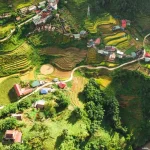
The terraced fields near Du Gia village showcase centuries of agricultural engineering. These rice terraces follow natural mountain contours, creating mirror-like reflections during flooding season (May-July). Local farmers begin their work before sunrise, creating authentic scenes of rural life against the dramatic mountain backdrop.
The Pho Bang village market operates every Sunday, drawing ethnic minorities from surrounding valleys. The aroma of grilled corn and mountain herbs fills the air as Hmong women in traditional indigo clothing sell handwoven textiles. The Happiness Road between Yen Minh and Dong Van offers equally stunning views with fewer crowds.

Weather, Timing and What to Pack
The optimal riding seasons run September through November and February through April, when clear skies and comfortable temperatures (15-25°C) create perfect conditions. December and January bring cold temperatures (5-15°C) and occasional frost, while May through August means heavy rains and reduced visibility.
Pack layers for dramatic temperature swings. Morning starts might require jackets, while afternoon riding becomes uncomfortably warm in full gear. A light rain jacket proves essential year-round – mountain weather changes rapidly. Waterproof phone cases protect your navigation device during unexpected downpours.
The dry season dust can be brutal, especially on busy sections near Ha Giang city. Bring a face mask or bandana to cover your mouth and nose. Sunglasses become crucial at high elevations where UV exposure increases significantly.
Include first aid supplies, especially bandages and antiseptic for road rash treatment. Bring extra socks and underwear – laundry facilities are limited. A headlamp helps during early morning departures and evening arrivals. Power banks ensure your phone survives long days without charging opportunities.
Budget Breakdown for the Complete Experience
A complete Ha Giang Loop adventure costs approximately 2,500,000-5,000,000 VND (100-200 USD) per person for 3-4 days, depending on accommodation choices and dining preferences.
Budget Tier (2,500,000 VND / 100 USD total)
- Motorbike rental: 1,000,000 VND (40 USD) for 4 days
- Fuel: 300,000 VND (12 USD)
- Basic guesthouses: 900,000 VND (36 USD) for 3 nights
- Street food and local restaurants: 300,000 VND (12 USD)
Mid-Range Tier (3,500,000 VND / 140 USD total)
- Better motorbike: 1,200,000 VND (48 USD)
- Fuel and maintenance: 400,000 VND (16 USD)
- Comfortable hotels: 1,500,000 VND (60 USD) for 3 nights
- Mix of local and tourist restaurants: 400,000 VND (16 USD)
Comfortable Tier (5,000,000 VND / 200 USD total)
- Premium motorbike with gear: 1,500,000 VND (60 USD)
- All expenses and emergency fund: 500,000 VND (20 USD)
- Best available accommodations: 2,400,000 VND (96 USD) for 3 nights
- Tourist restaurants and special meals: 600,000 VND (24 USD)

Additional costs include entrance fees to attractions (50,000-100,000 VND each), photography permits at some viewpoints, and emergency repair services if needed. Budget extra for souvenirs – ethnic textiles and mountain honey make excellent purchases.
Frequently Asked Questions
Do I need a motorcycle license to ride the Ha Giang Loop?
Technically yes, but enforcement varies. International driving permits work for legal rentals, though many shops rent without checking licenses. Consider the safety implications and insurance coverage before riding unlicensed.
Is the Ha Giang Loop safe for solo female travelers?
Generally yes, with standard precautions. Stay in established accommodations, inform others of your route, and avoid riding after dark. The local people are helpful, and other travelers frequently share the route.
Can beginners complete the Ha Giang Loop?
Possible but challenging. The route demands confidence with steep climbs, engine braking, and narrow mountain roads. Practice basic motorbike skills in safer environments first. Consider joining a guided group for your first attempt.
What happens if my motorbike breaks down?
Repair shops exist in major towns, and local mechanics often help with basic fixes. Rental companies typically provide roadside assistance phone numbers. Carry the rental shop’s contact information and basic repair tools for minor issues.
When should I avoid the Ha Giang Loop?
Skip June through August due to heavy rains and poor visibility. December and January bring cold temperatures and occasional ice on high passes. Avoid Vietnamese holidays when domestic tourism peaks and accommodations fill quickly.