On this page
- What August Actually Feels Like in Vietnam
- The North vs. South Monsoon Split
- August Festivals and Cultural Events Worth Timing Your Trip Around
- Outdoor Activities That Are Better in the Rain
- 2026 Budget Reality: August Prices and What You Save in Low Season
- Practical Gear and Daily Logistics for Wet-Season Travel
- Frequently Asked Questions
What August Actually Feels Like in Vietnam
Most travel guides tell you to avoid Vietnam in August. That framing frustrates anyone who has actually been here during the monsoon — because the picture is far more complicated, and often more rewarding, than the warnings suggest. Yes, it rains. But in 2026, with peak-season crowds and prices reaching new highs in December and January, August has become one of the more intelligent times to visit for travelers who do their homework.
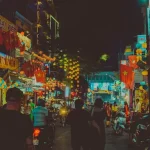
The honest version: August is Vietnam’s deep wet season, particularly in the south and central regions. Rain doesn’t mean all-day grey skies. In Ho Chi Minh City, showers typically arrive in the mid-afternoon with serious intent — heavy, warm, and over within 90 minutes. The streets smell of wet concrete and jasmine. Puddles form fast. Then the heat reasserts itself, and by evening the city is alive again. In the north, Hanoi’s August is hot and humid with less predictable rain patterns. The air sits thick and warm, around 32–35°C through the day, and the Old Quarter’s narrow streets trap both heat and the scent of grilled corn sold from roadside carts.
What the month gives you is a Vietnam operating at a slower, more local pace. Fewer foreign tourists, more honest prices at markets, and a landscape that turns an almost violent shade of green.
The North vs. South Monsoon Split
Vietnam’s weather in August is not uniform, and treating it as one climate zone is a common mistake. The country runs roughly 1,650 kilometres from north to south, and the monsoon behaves differently across that length.
The South (Ho Chi Minh City, Mekong Delta, Phu Quoc): August sits squarely in the southwest monsoon. Rain is heaviest in the afternoon and evening. Mornings are often clear and workable for sightseeing. Temperatures stay around 28–32°C. The Mekong Delta is at its most dramatic now — rivers run brown and full, local boats navigate flooded rice paddies, and the region’s agricultural rhythm is completely visible to anyone willing to hire a local guide and get on the water.
Central Vietnam (Hoi An, Da Nang, Hue): This is the transition zone. August brings rain but not the torrential flooding that hits central Vietnam in October and November. It’s actually one of the more manageable months for the region, with warm sea temperatures around 28°C making beach days between showers genuinely pleasant. Hoi An’s Ancient Town takes on a different quality in August rain — the yellow walls darken, lanterns glow earlier, and the town empties of the largest tour groups by mid-afternoon.
The North (Hanoi, Ha Long Bay, Sapa): Northern Vietnam’s wet season peaks in July and August. Ha Long Bay sees more misty, dramatic conditions — which photographers often prefer to the flat blue skies of dry season. Sapa and the northern highlands are lush but some trekking trails become slippery and difficult. The terraced rice fields in Mu Cang Chai reach their most spectacular green in August, drawing landscape photographers who accept the trade-off of muddy conditions underfoot.
August Festivals and Cultural Events Worth Timing Your Trip Around
August in Vietnam is not a dead month culturally. Two significant events anchor the calendar for travelers who want to engage with local life rather than just endure the weather.
Vu Lan Festival (Ghost Month / Hungry Ghost Festival): This Buddhist festival typically falls in August according to the lunar calendar, though the exact date shifts each year. It is one of the most widely observed Buddhist occasions in Vietnam. Pagodas across the country hold ceremonies, families burn offerings in the streets (the smell of incense and paper money is everywhere in residential neighbourhoods), and vegetarian food becomes more widely available than at any other time of year. For travelers interested in Vietnamese spiritual life, attending an evening ceremony at a local pagoda — even just observing quietly from the entrance — is a genuinely moving experience.
National Day Preparation and Independence Day (September 2nd): While National Day falls on September 2nd, the preparations and public mood build through the final week of August. Ho Chi Minh City and Hanoi see increased decoration, public performances, and community events. Traveling the last few days of August means catching this celebratory energy without the September 2nd crowds at major monuments.
Beyond these, August sees a full calendar of local market festivals in the Mekong Delta and community rowing competitions on rivers in central Vietnam. These aren’t ticketed tourist events — they’re local occasions that reward travelers who ask guesthouse owners what’s happening in the area.
Outdoor Activities That Are Better in the Rain
Some of Vietnam’s best experiences are actively improved by monsoon conditions. This is not spin — it’s geography and ecology.
- Mekong Delta boat trips: Water levels in August mean you can navigate channels that are completely dry or barely passable in February. Floating markets are more active. The flat, flooded landscape has a quiet immensity that dry-season visitors never see.
- Rice terrace photography in the north: The highland areas of Mu Cang Chai and Hoang Su Phi are at peak green in August. The terraces are filled with young rice, and early morning mist clings to the valleys. The light after a rain shower, when the clouds part briefly, is exceptional.
- Cave exploration in Phong Nha: The caves of Phong Nha-Ke Bang National Park are cave systems — underground environments largely unaffected by surface rain. August is actually one of the better months to visit because tour group sizes are smaller and the jungle surrounding the park is at its densest and most atmospheric.
- City food exploration: Rain drives street food culture indoors and into covered markets. August is the month to eat properly in Vietnam — bun bo Hue from a covered market stall, banh xeo sizzling on a charcoal burner under a plastic awning while rain hammers the street outside, com tam from a family restaurant that’s been feeding the same neighbourhood for 30 years.
2026 Budget Reality: August Prices and What You Save in Low Season
August is definitively low season across most of Vietnam, and the price difference versus peak months (December–February, late April) is significant.
Accommodation
- Budget: Hostel dorms in Hanoi and Ho Chi Minh City typically run 150,000–250,000 VND per night (approximately $6–$10 USD) in August. Private budget rooms from 350,000–550,000 VND ($14–$22 USD).
- Mid-range: Decent 3-star hotels in major cities and Hoi An run 600,000–1,200,000 VND ($24–$48 USD) per night. The same properties charge 1,500,000–2,200,000 VND in peak season.
- Comfortable: Boutique hotels and well-reviewed 4-star properties in Hoi An, Da Nang, and central Hanoi run 1,500,000–2,800,000 VND ($60–$112 USD) per night in August.
Food and Daily Costs
- Street food and local restaurant meals: 40,000–80,000 VND ($1.60–$3.20 USD) per dish.
- Mid-range restaurant meal for two with drinks: 300,000–600,000 VND ($12–$24 USD).
- Daily transport (Grab rides, local buses): 50,000–150,000 VND ($2–$6 USD) for typical urban travel.
In practical terms, a traveler on a careful but comfortable budget can manage well in Vietnam in August for 700,000–1,000,000 VND per day ($28–$40 USD) outside of major splurges. That figure covers accommodation, three meals, and local transport — and it reflects the genuine low-season reality in 2026, not aspirational budget travel.
Practical Gear and Daily Logistics for Wet-Season Travel
The difference between a miserable August in Vietnam and an excellent one comes down almost entirely to preparation and pacing.
Rain gear that actually works: A lightweight packable rain jacket is more practical than an umbrella in Vietnamese cities, where motorbikes spray puddle water and narrow covered walkways make umbrella navigation awkward. A waterproof cover for your daypack matters more than you’d expect. Vietnam sells cheap plastic ponchos on nearly every corner for around 20,000–30,000 VND ($0.80–$1.20 USD) — fine for a 10-minute shower, useless in a sustained downpour.
Footwear: Pack sandals that can get wet and dry quickly. Leather shoes are a liability. Quick-dry synthetic materials work well. Several travellers swear by waterproof trail runners in August — they look reasonable enough for restaurants and handle flooded streets without issue.
Pacing your days: Structure activities for mornings. In the south and central regions, late afternoons belong to the rain. Use those hours for covered markets, museum visits, or a long lunch. The evening recovery is real — by 6–7pm, streets are active again and restaurant culture fully resumes.
Checking flood alerts in central Vietnam: While August is generally manageable in the central region, it is worth monitoring local weather when basing yourself in Hoi An or Hue. Flash flooding can affect low-lying areas around the Thu Bon River after particularly heavy rain. Local guesthouse owners are the best real-time source — they know the area’s flood patterns better than any app.
Frequently Asked Questions
Is August a good time to visit Vietnam?
August is a genuinely good time to visit if you accept that rain is part of the experience. Prices are lower, crowds are smaller, and the landscape is at its greenest. The rain in most regions is manageable with morning planning and decent gear. It rewards flexible travelers more than those with rigid itineraries.
Which parts of Vietnam are best to visit in August?
The Mekong Delta, Ho Chi Minh City, and central Vietnam — particularly Hoi An and Da Nang — all work well in August. The northern highlands, especially Mu Cang Chai, are spectacular for landscape photography. Ha Long Bay remains accessible but expect mist and choppy water on some days.
How heavy is the rain in Vietnam in August?
In the south and central regions, expect heavy afternoon showers lasting 60–120 minutes most days. Mornings are usually clear. In the north, rain is less predictable — shorter but more frequent. The rain is warm, around 25–27°C, so getting caught in a shower is inconvenient rather than unpleasant. Flash flooding is rare in cities but possible in low-lying rural areas.
Are beaches worth visiting in Vietnam in August?
Da Nang and the beaches around Hoi An are still viable in August — sea temperatures are warm and many days offer clear morning windows. Phu Quoc and southern beach destinations are in full wet season and swimming can be rough. For reliable beach conditions, the best August option is the Da Nang coastline rather than the far south or far north.
How much cheaper is Vietnam in August compared to peak season?
Accommodation typically runs 25–45% cheaper than peak season rates in December–February. Tours, cooking classes, and day trips also drop in price due to lower demand. The savings are most significant at mid-range and comfortable properties in popular destinations like Hoi An and Ha Long Bay, where competition for lower occupancy is strong.
Explore more
Vietnam’s Coastal Gems: Sun-Drenched Beaches for Your July 2026 Trip
What to Expect When Visiting Vietnam in July 2026
Savoring Vietnam’s Seasonal Fruits: A June 2026 Traveler’s Guide
📷 Featured image by Ngân Nguyễn Văn on Unsplash.