💰 Click here to see Vietnam Budget Breakdown
💰 Prices updated: October, 2026. Budget figures are estimates — always verify before travel.
Exchange Rate: $1 USD = ₫25,964.41
Daily Budget (per person)
Shoestring: ₫650,000 – ₫1,550,000 ($25.03 – $59.70)
Mid-range: ₫1,800,000 – ₫3,900,000 ($69.33 – $150.21)
Comfortable: ₫5,200,000 – ₫9,100,000 ($200.27 – $350.48)
Accommodation (per night)
Hostel/guesthouse: ₫120,000 – ₫350,000 ($4.62 – $13.48)
Mid-range hotel: ₫780,000 – ₫1,850,000 ($30.04 – $71.25)
Food (per meal)
Budget meal: ₫60,000.00 ($2.31)
Mid-range meal: ₫250,000.00 ($9.63)
Upscale meal: ₫800,000.00 ($30.81)
Transport
Single metro/bus trip: ₫10,000.00 ($0.39)
Monthly transport pass: ₫300,000.00 ($11.55)
Phu Quoc in 2026 has a reputation problem — and it’s not the one you’d expect. The island is genuinely beautiful, the beaches are world-class, and the sunsets over the Gulf of Thailand are as good as advertised. The problem is that most visitors arrive, plant themselves on Long Beach or Sao Beach for three days, and leave thinking they’ve seen Phu Quoc. They haven’t. Behind the resort strip and cable car selfies, there’s a version of this island that still smells like pepper vines, fish sauce barrels, and jungle mud after rain. This guide is for that version.
Explore the Interior on Two Wheels
Renting a motorbike on Phu Quoc is one of the best decisions you can make, and the island’s interior is the reason why. Once you leave the coastal highway, the roads narrow into red-dirt tracks cutting through pepper plantations and rubber tree groves. The air changes — cooler, greener, and thick with the faintly earthy smell of the forest floor.
Start at one of the island’s working pepper farms near Duong Dong town. Phu Quoc pepper has Protected Geographical Indication status — it’s genuinely different from pepper grown elsewhere in Vietnam, sharper and more aromatic. Farms like Thanh Toan welcome visitors without a tour booking. You’ll see the vines climbing their wooden poles, the berries at different stages of ripeness, and the drying racks spread across the yard.
From there, ride south toward the fish sauce factories (nuoc mam) in the Duong Dong area. Hung Thanh and Khai Hoan are the two most visitor-friendly. Inside the warehouses, enormous wooden barrels — some taller than a person — hold layers of anchovies and sea salt fermenting in the tropical heat. The smell hits you before you walk through the door: pungent, salty, complex. It’s an acquired sensory experience, but understanding how Phu Quoc’s most famous export is made adds real depth to every bottle you’ll see at a restaurant table from that point on.
A full interior loop by motorbike takes around four to five hours including stops. Bring water, a rain jacket (the island gets afternoon showers between May and October), and offline maps — mobile signal drops out in some forested stretches.

Phu Quoc’s Northern Wilderness
The southern half of Phu Quoc is where the resort development happened. The northern half — most of it protected inside Phu Quoc National Park — is a different island entirely. The park covers roughly 31,000 hectares of tropical forest, and while it’s not set up for serious trekking the way Cuc Phuong or Bach Ma are, it rewards visitors who are willing to get off the main roads.
The road to Ganh Dau Cape at the island’s northwest tip is one of the most underrated drives in southern Vietnam. The cape itself is a narrow finger of land pointing toward Cambodia — on a clear day you can see the Cambodian coastline across the water. The beach here is casual and local, with fishing boats pulled up on the sand and a handful of seafood shacks serving whatever came in that morning. There are no sun-lounger rentals, no beach bars, no one trying to sell you anything aggressively. It feels like Phu Quoc did fifteen years ago.
Further into the park, the Suoi Tranh waterfall is modest by Vietnamese standards but worth a stop if you’re passing through. The trail from the car park takes about twenty minutes through forest, and the pools at the base are cool enough to swim in after a hot morning on the motorbike.
Be aware that some sections of the national park require a permit for overnight stays or guided forest walks. Day visitors to the more accessible areas like the waterfall and coastal viewpoints don’t need advance paperwork, but check with park headquarters in Duong Dong before planning anything that involves leaving the main trails.
The Night Market and Street Food Circuit
The Dinh Cau Night Market in Duong Dong is touristy — there’s no point pretending otherwise. But it’s touristy in the same way that Hoi An’s Old Town is touristy: the crowds are real, the vendors know what they’re doing, and the food is genuinely good if you order the right things. The key is knowing what to look for and where to go afterward.
At the night market, skip the generic seafood towers priced by the kilogram (expensive, aimed at groups). Instead, look for banh canh Phu Quoc, the island’s signature thick noodle soup made with fresh crab and hand-cut tapioca noodles. It’s richer and slightly stickier than the banh canh you find on the mainland. Also worth trying: goi ca trich, a raw herring salad with green mango, roasted sesame, and a lime-heavy dressing that cuts through the fattiness of the fish. The crunch of the sesame against the bite of the raw fish — it’s one of those combinations that makes you stop mid-conversation.
After the night market, walk five minutes north to the smaller local eateries along the Duong Dong riverbank. These places close early (often by 9 PM) but charge roughly half what the market stalls do for the same dishes. Locals eat here; the menus are in Vietnamese only. Point at whatever looks good on neighboring tables — that approach works here.
Phu Quoc Prison Museum
This is the attraction most package-tour visitors skip, and it’s the one that provides the most context for understanding the island’s modern identity. The Phu Quoc Prison — officially called Phu Quoc Detention Camp, known locally as Nha Lao Cay Dua (Coconut Tree Prison) — was operated by South Vietnamese forces with American support between 1967 and 1973. At its peak, it held over 40,000 prisoners of war, many of them North Vietnamese soldiers and Viet Cong members.
The reconstructed compound includes original detention blocks, punishment cages, and detailed displays explaining the conditions endured by prisoners. The exhibits are presented from the Vietnamese government’s perspective, which means the framing is politically pointed — but the core facts about what happened here are documented and real. Wax figures in the re-created cells are graphic and unsettling by design. This is not a comfortable museum visit, but it’s an honest one.
Entry costs around 20,000 VND (less than $1 USD). Allow 60 to 90 minutes. The museum is located in An Thoi town in the island’s south — easy to combine with a visit to the nearby fishing port or the cable car terminal if you want to split the morning between heavier and lighter experiences.
2026 Budget Reality
Phu Quoc is the most expensive destination in Vietnam for independent travelers, and that gap widened slightly in 2025–2026 as the resort economy matured. Here’s what things actually cost:
- Budget tier: Guesthouses in Duong Dong town or along the back roads cost 300,000–500,000 VND per night ($12–$20 USD). Street food meals run 40,000–80,000 VND ($1.60–$3.20 USD). Motorbike rental is 150,000–200,000 VND per day ($6–$8 USD).
- Mid-range tier: Boutique guesthouses and smaller resorts on Long Beach run 900,000–1,800,000 VND per night ($36–$72 USD). A sit-down seafood meal for two with beer costs 400,000–700,000 VND ($16–$28 USD).
- Comfortable tier: The large resort strip along Bai Truong (Long Beach) and Khem Beach starts at 2,500,000 VND per night ($100 USD) and goes significantly higher for brand-name properties. Day spa treatments at resort facilities run 500,000–1,200,000 VND ($20–$48 USD).
Budget travelers can do Phu Quoc well by staying in Duong Dong town, eating at local restaurants, and renting their own transport. The island becomes expensive when you rely on resort restaurants, resort transport, and organized tours for everything.
Getting There and Getting Around in 2026
Phu Quoc International Airport receives direct flights from Hanoi, Ho Chi Minh City, Da Nang, and — since late 2024 — direct international routes from Bangkok, Singapore, and Kuala Lumpur have expanded. In 2026, Vietnamese airlines including VietJet, Vietnam Airlines, and Bamboo Airways all operate the Ho Chi Minh City route multiple times daily. The flight from Ho Chi Minh City takes around 55 minutes.
The Rach Gia to Phu Quoc ferry (approximately 2.5 hours by high-speed boat) remains an option for travelers wanting to arrive by sea, but it’s no longer the budget necessity it once was — flight prices on the Ho Chi Minh City route have stayed competitive. The Ha Tien ferry (around 1 hour) is still the fastest sea crossing and suits travelers coming overland from the Mekong Delta.
On the island, motorbike rental is the most practical option for independent travelers. Grab operates on Phu Quoc in 2026 for point-to-point trips, but surge pricing during peak evenings can be steep. Taxis (Vinasun, Mai Linh) are available but expensive for island-wide travel. There is no public bus network worth relying on for tourism purposes.
Frequently Asked Questions
Is Phu Quoc worth visiting beyond the beaches?
Yes — the island has genuine depth if you engage with it actively. The pepper farms, fish sauce factories, national park roads, and local food scene in Duong Dong give Phu Quoc a cultural layer that’s easy to miss if you stay within the resort strip the entire time. Most visitors who explore the interior wish they’d done it sooner.
What is the best time of year to visit Phu Quoc?
November to April is the dry season and the most popular time, with calm seas and reliable sunshine. May to October brings heavier rain and rougher water on the west coast, but accommodation prices drop significantly and the island is far less crowded. The interior and cultural sites can be visited year-round regardless of sea conditions.
Is Phu Quoc safe for solo travelers?
Phu Quoc is one of Vietnam’s safer destinations for solo travelers, including solo women. The main risks are motorbike accidents on unfamiliar roads and the occasional petty theft near crowded night market areas. Standard precautions apply: wear a helmet, don’t leave valuables on open motorbike baskets, and stay aware in busy evening crowds.
Do I need a visa to visit Phu Quoc in 2026?
Phu Quoc’s special visa-exemption zone — which previously allowed 30-day stays without a visa for direct arrivals — was restructured under Vietnam’s broader e-visa reform in 2024. As of 2026, most nationalities enter Vietnam on a standard 90-day e-visa, which covers Phu Quoc. Check current requirements before travel, as policy details continue to be refined.
How many days do I need in Phu Quoc?
Three to four nights is a comfortable minimum for travelers who want to combine beaches with the island’s cultural and natural highlights. Four nights gives you time to do the interior by motorbike, spend a day in the north, eat your way through Duong Dong, visit the prison museum, and still fit in at least one full beach day without rushing.
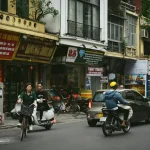
📷 Featured image by Timothy Cohen on Unsplash.