On this page
- Acoustic and Vietnamese Pop: Where Singers Hold the Room
- Jazz and Blues: The Listening Crowd
- Rock, Cover Bands and Street-Level Noise
- Hotel and Rooftop Bands: The Classic Saigon Evening
- Electronic and DJ Nights: After 10:00 pm
- Phòng Trà and Traditional Music: The Old-School Listening Room
- Concert Halls and Big Stages
- Getting Around After Dark in 2026
- 2026 Budget Reality
- Frequently Asked Questions
💰 Click here to see Vietnam Budget Breakdown
💰 Prices updated: November, 2026. Budget figures are estimates — always verify before travel.
Exchange Rate: $1 USD = ₫25,797.29
Daily Budget (per person)
Shoestring: ₫700,000 – ₫1,100,000 ($27.13 – $42.64)
Mid-range: ₫1,500,000 – ₫2,800,000 ($58.15 – $108.54)
Comfortable: ₫3,000,000 – ₫5,500,000 ($116.29 – $213.20)
Accommodation (per night)
Hostel/guesthouse: ₫120,000 – ₫470,000 ($4.65 – $18.22)
Mid-range hotel: ₫700,000 – ₫1,800,000 ($27.13 – $69.77)
Food (per meal)
Budget meal: ₫40,000.00 ($1.55)
Mid-range meal: ₫150,000.00 ($5.81)
Upscale meal: ₫1,000,000.00 ($38.76)
Transport
Single metro/bus trip: ₫10,000.00 ($0.39)
Monthly transport pass: ₫500,000.00 ($19.38)
Ask ten people in Ho Chi Minh City where to hear live music and you will get ten different answers, most of them a Facebook link. In 2026 the problem is not a lack of music. It is that lineups change weekly, many bars rely on karaoke or backing tracks, and English listings are thin. This guide sorts the city by genre, so you can walk into the right room on the first try.
Acoustic and Vietnamese Pop: Where Singers Hold the Room
If you want to hear what locals actually listen to, start with an acoustic bar. Acoustic Bar on Ngo Thoi Nhiem in District 3 is the best-known example. Expect a guitarist or a small band, a crowd singing along in Vietnamese, and cold beer on wooden tables. You do not need to understand the lyrics. The mood does the work.
District 3 and the lanes around Pasteur and Le Quy Don in District 1 hold many smaller cafés with evening singers. They tend to start around 8:00 pm. Arrive by 7:45 pm on Fridays and Saturdays for a seat near the stage. Because these spots change names and schedules often, check each venue’s Instagram or Facebook page on the day you go.
Jazz and Blues: The Listening Crowd
Saigon’s jazz scene is small but loyal. Sax n Art, the club run by saxophonist Tran Manh Tuan, is the name most visitors hear first. It is a proper jazz room, where people stop talking when a solo begins. Confirm the current address and show times on its social pages before you go, since the club has moved in the past.
Smaller jazz nights also pop up in hotel lounges and in Thao Dien’s cafés and wine bars. Thao Dien is the expat neighbourhood on the river, and it suits slower evenings. The saxophone drifting through a warm, humid night, with a glass of wine in your hand, is one of the nicest ways to spend an evening here. Blues is rarer, and usually appears as a guest slot inside a jazz or cover-band night.
Rock, Cover Bands and Street-Level Noise
For loud and fun, go to the Bui Vien backpacker strip in District 1. By 9:00 pm the street is a wall of bass, plastic stools, grilled corn smoke and cover bands playing Western rock and pop hits from open-fronted bars. It is not subtle and it is not “authentic” in a traditional sense, but the energy is real and the beer is cheap.

Walk the whole street before you choose. Quality varies a lot from one bar to the next. A good sign is a band that is actually playing instruments, not a singer with a laptop. Keep your phone away from the roadside edge while you walk, as snatch thefts are most common on this stretch.
Hotel and Rooftop Bands: The Classic Saigon Evening
Old-school hotel bars still deliver some of the most reliable live music in the city. The Rex Hotel rooftop on Nguyen Hue is famous for its garden terrace and evening performances, with the city lights spreading out below. Saigon Saigon Bar at the Caravelle Hotel on Lam Son Square has a long record of live bands and a view over the Opera House area.
Drinks cost more here than at street-level bars, but you are paying for a safe, comfortable seat and musicians who play proper sets. These venues work well for couples, small groups, and anyone who wants good sound without a crush of people.
Electronic and DJ Nights: After 10:00 pm
Electronic music is the strongest part of Saigon’s late-night scene. Clubs such as Observatory have built a reputation for techno and house with guest DJs, and Lush on Ly Tu Trong in District 1 is a long-running party spot with a mixed crowd. Rooftop bars in District 1 and riverside venues in Thao Dien, such as The Deck, add DJ sets and occasional live acts.
Doors fill after 10:30 pm and most clubs run until around 2:00 am. Bring your passport or ID card, since some venues check ages at the door. Dress code is usually relaxed, though closed shoes help at the bigger clubs.
Phòng Trà and Traditional Music: The Old-School Listening Room
A phòng trà (“tea room”) is a Vietnamese concert lounge where singers perform ballads, bolero and classic pop with a live band. Tables are set theatre-style, drinks come to your seat, and the audience is often older and very attentive. A well-known example is Mây Lang Thang. It is a rare chance to see a side of Saigon that most tourists miss.

Language is the main barrier, but the emotion of a bolero ballad carries across. For traditional instruments such as the dan tranh zither or bamboo flute, look at programmes at the Opera House and at cultural venues like Ben Thanh Theatre. These often include short, visitor-friendly performances.
Concert Halls and Big Stages
The Saigon Opera House on Lam Son Square, built in 1897, hosts classical concerts and the AO Show, a circus and bamboo-theatre performance with live music. Hoa Binh Theatre in District 10 handles mid-size pop and rock concerts. For stadium-scale shows, watch for events at Phu Tho Indoor Stadium and other large venues across the city.
Vietnamese pop concerts have become huge, and the best seats sell out within hours. Buy only from official platforms such as Ticketbox, and ignore resale offers in social media comments. Check the organiser’s official page for the sale date, usually announced two to four weeks ahead.
Getting Around After Dark in 2026
Metro Line 1 (Ben Thanh to Suoi Tien) is now part of daily life. The Opera House station puts you a short walk from Nguyen Hue and Lam Son Square, and the Thao Dien and An Phu stations make riverside nights easier than before. The metro stops around 10:00 pm, so you will need a ride home after most shows.
Grab cars and bikes are the simplest option late at night. Book from inside the venue, check the plate number, and wait indoors until your driver arrives. Surge pricing is common when clubs and bars close, so leaving 20 minutes early can halve your fare. Most bar sets run roughly from 8:00 pm to midnight, while clubs run later.
2026 Budget Reality
Live music in Ho Chi Minh City suits almost any wallet. Roughly 26,000 VND equals 1 USD in 2026.
- Budget: Bui Vien bars and local cafés with a singer. Beer costs 30,000–60,000 VND ($1.20–2.30). Cover charges are rare. A full night out is 150,000–300,000 VND ($6–12).
- Mid-range: Acoustic bars, jazz clubs and phòng trà. Cocktails cost 120,000–220,000 VND ($5–8.50), and some venues set a minimum spend or entry fee of 150,000–300,000 VND ($6–12). A night costs 400,000–800,000 VND ($15–31).
- Comfortable: Hotel rooftops, club tables and concert tickets. Cocktails run 200,000–350,000 VND ($8–13.50). Concert tickets range from about 500,000 VND ($19) to several million VND ($100+) for premium seats. Budget 1,000,000–3,000,000 VND ($38–115) or more.
Frequently Asked Questions
What is the best area for live music in Ho Chi Minh City?

District 1 has the widest mix: hotel bars near Nguyen Hue, backpacker cover bands on Bui Vien, and the Opera House for classical shows. District 3 suits acoustic sets, and Thao Dien suits jazz and relaxed riverside nights. Choose by genre rather than by district alone.
Is live music in Ho Chi Minh City expensive?
Not usually. Most bars have no cover charge, and a local beer costs 30,000–60,000 VND (about $1.20–2.30). Jazz clubs and phòng trà often ask for a minimum drink spend. Big concerts and theatre shows cost much more, from around 500,000 VND ($19) to several million VND for top seats.
What time does live music start and finish?
Most bar sets start between 8:00 and 9:30 pm and finish around midnight. Jazz and phòng trà shows often start at 8:00 pm. Clubs and DJ nights run later, often until 2:00 am. The metro stops around 10:00 pm, so plan a Grab ride home.
Do I need to book tickets in advance?
For bars and cafés, no. Just arrive by 8:00 pm to get a good seat. For big concerts, yes, buy early through official platforms such as Ticketbox, since popular shows can sell out within hours. Check the organiser’s official page, because fake resale listings appear on social media.
Is Ho Chi Minh City safe for a night out with live music?
Generally yes, but watch your phone and bag. Snatch thefts happen on busy streets such as Bui Vien. Keep valuables zipped away, hold your phone away from the road edge, and use Grab instead of hailing unmarked taxis late at night. Drink spiking is rare but possible, so never leave your glass unattended.
Explore more
From Barcelona to Saigon: A Deep Dive into Two Vibrant City Cultures
Best Shopping in Saigon: Your Guide to Markets, Malls & Must-Buy Souvenirs
District 1 Ho Chi Minh City: The Ultimate Tourist’s Guide to HCMC’s Central Hub
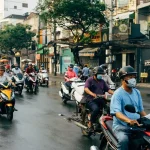
📷 Featured image by Tu Tran Anh on Unsplash.