On this page
- Match the Route to Your Legs
- Cat Cat and Sin Chai: The Easy Half-Day
- Muong Hoa Valley: The Classic Lao Chai to Ta Van Walk
- Ta Phin and the Red Dao Trails
- Quieter Routes: Ban Ho, Ta Giang Phinh and Fansipan
- Reading the Seasons
- Guides, Homestays and Village Etiquette
- 2026 Budget Reality
- Getting to Sapa and Starting Your Trek
- Frequently Asked Questions
💰 Click here to see Vietnam Budget Breakdown
💰 Prices updated: November, 2026. Budget figures are estimates — always verify before travel.
Exchange Rate: $1 USD = ₫25,797.29
Daily Budget (per person)
Shoestring: ₫700,000 – ₫1,100,000 ($27.13 – $42.64)
Mid-range: ₫1,500,000 – ₫2,800,000 ($58.15 – $108.54)
Comfortable: ₫3,000,000 – ₫5,500,000 ($116.29 – $213.20)
Accommodation (per night)
Hostel/guesthouse: ₫120,000 – ₫470,000 ($4.65 – $18.22)
Mid-range hotel: ₫700,000 – ₫1,800,000 ($27.13 – $69.77)
Food (per meal)
Budget meal: ₫40,000.00 ($1.55)
Mid-range meal: ₫150,000.00 ($5.81)
Upscale meal: ₫1,000,000.00 ($38.76)
Transport
Single metro/bus trip: ₫10,000.00 ($0.39)
Monthly transport pass: ₫500,000.00 ($19.38)
Most visitors to Sapa in 2026 face the same problem: too many route options, too many touts at the lake, and no clear idea which walk fits their legs. The result is often a crowded, paved-path hike that feels more like a theme park than the mountains. The good news is that the valley around Sapa still holds quiet trails, working farms and villages where daily life carries on. You just need to pick the right route first.
Match the Route to Your Legs
Sapa sits at about 1,500 metres, so even a short walk feels harder than the distance suggests. Think in three levels before you choose.
- Easy (1–3 hours): Cat Cat and Sin Chai. Mostly steps and paved paths, with a steep climb back up.
- Moderate (4–6 hours): The Muong Hoa Valley between Lao Chai and Ta Van, plus Ta Phin. Dirt tracks, stone steps and some muddy sections.
- Hard (full day or more): Ban Ho and Ta Giang Phinh loops, and the Fansipan summit, which usually takes two days.
Also ask yourself what you want. If it is photos of rice terraces, go moderate. If it is time with local families, choose a homestay route. If it is a summit tick, plan two days with a licensed guide.
Cat Cat and Sin Chai: The Easy Half-Day
Cat Cat is the closest village to town, about 2 km from the centre. The path drops past stalls selling indigo-dyed cloth, then reaches a waterfall and a small hydropower wheel. It is the most touristy village in the area, with an entrance ticket of around 150,000 VND (about $6), so go early. By 8:00 the path is quiet and you can hear water running through bamboo pipes.
For fewer people, continue from Cat Cat toward Sin Chai, a Black Hmong settlement with terraced slopes. The walk takes roughly two hours in total at a relaxed pace. This route suits families, older travellers, and anyone arriving on a half day between buses.
Muong Hoa Valley: The Classic Lao Chai to Ta Van Walk
This is the route most people mean when they say “Sapa trekking.” You descend from the town through Y Linh Ho, then walk through Lao Chai (Black Hmong) and Ta Van (Giay) along the valley floor. The full walk is around 10–12 km and takes four to five hours, with stops.
The terraces are the star. In September they glow gold. In June they are bright green and reflect the sky. The air smells of wood smoke and wet earth, and you will hear buffalo bells somewhere below you.
Be ready for the crowds. Since 2024 more of the trail has been concreted, and many groups now walk the same stretch between 9:00 and 11:00. To avoid them, start before 8:00 or take the side tracks that guides know. Most people finish by taking a motorbike or car back from Ta Van, which costs roughly 100,000–150,000 VND ($4–6).
Ta Phin and the Red Dao Trails
Ta Phin lies about 12 km from Sapa town and is home to the Red Dao people, recognisable by their red headscarves. The trails here are gentler than Muong Hoa and wind through forest, cardamom fields and small farms. Expect two to four hours depending on the loop.
The main draw is culture. Red Dao families run herbal bath houses, where you soak in a wooden tub of steaming water infused with mountain plants. It is a good way to end a trekking day, and prices usually run from 150,000 to 300,000 VND ($6–12) per person. Look for places with simple signage and local owners rather than the large tour-bus operations near the road.
Quieter Routes: Ban Ho, Ta Giang Phinh and Fansipan
If you have trekked before or want fewer people, head farther out.
Ban Ho and Thanh Phu
Ban Ho is a Tay village a short drive from Sapa, and the walk along the Ngoi Chan stream is shaded and scenic. Wooden stilt houses, small waterfalls and few tourists make this one of the best choices for a slower day.
Ta Giang Phinh
This area, closer to the Tram Ton Pass, offers wide mountain views and an easier feel despite the remote setting. Cloud banks often roll through in the morning, so the light is dramatic.
Fansipan summit
At 3,143 metres, Fansipan is Indochina’s highest peak. The trek takes two days and one night, often with a camp or basic hut stay. Park rules require a licensed guide. If you only want the view, the cable car from Sapa Station is quicker but busy, with tickets at around 800,000 VND ($31) round trip.
Reading the Seasons

- March–May: Mild weather, flowers, fog on some mornings. Terraces are being prepared for planting.
- Late May–June: Water-filled terraces reflect the sky. Planting is underway.
- July–early September: Deep green rice, but heavy rain and slippery trails.
- Mid-September–early October: Golden harvest. Best views, and the busiest period. Book homestays weeks ahead.
- December–February: Cold and misty, sometimes close to 0°C with frost. Terraces are bare, but trails are very quiet.
Fog can hide the views at any time of year, so check the forecast the night before and be flexible about your route.
Guides, Homestays and Village Etiquette
Hiring a local guide is the simplest way to ensure your money reaches the community. Many Hmong and Dao women guide in the valley and speak good English. Book through your hotel, a community tourism group or a homestay rather than someone approaching you on the street, so the price and route are agreed up front.
Homestays give you dinner around a low table, often with rice wine and fresh vegetables from the garden. You sleep on a mattress in a shared loft, sometimes with only a thin partition between you and the next guest. It is simple, warm and memorable.
A few manners help:
- Ask before photographing people, especially children.
- Do not hand out sweets or money to kids. It encourages begging.
- Buy a small item from a woman who has walked with you, but do not feel pressured.
- Stay on paths. Terraces are people’s livelihoods.
- Carry your rubbish out.
Note that local administrative names changed after Vietnam’s 2025 provincial reorganisation, so you may see different village or commune names on newer maps and booking sites. The trails themselves are the same.
2026 Budget Reality
Prices below assume about 25,500 VND to $1.
- Budget: Dorm bed 150,000–250,000 VND ($6–10); local meals 50,000–90,000 VND ($2–3.50); half-day guide 300,000–500,000 VND ($12–20); motorbike return 100,000–150,000 VND ($4–6). Daily total about 600,000–1,000,000 VND ($24–39).
- Mid-range: Village homestay with dinner and breakfast 400,000–800,000 VND ($16–31); full-day guide 700,000–1,000,000 VND ($27–39); herbal bath 150,000–300,000 VND. Daily total about 1.5–2.5 million VND ($59–98).
- Comfortable: Boutique valley lodge 2.5–5 million VND ($98–196) per night; private guide and driver 1.5–2.5 million VND ($59–98) per day; Fansipan cable car and meals in good restaurants. Daily total about 4–7 million VND ($157–275).
A guided two-day Fansipan trek generally costs 2–3.5 million VND ($78–137) per person, depending on group size and the level of porter and camp support.
Getting to Sapa and Starting Your Trek
The fastest road route runs from Hanoi to Lao Cai on the expressway, then up to Sapa. Limousine vans take roughly five to six hours and cost about 300,000–450,000 VND ($12–18). Sleeper trains still run overnight from Hanoi to Lao Cai, around eight hours, followed by a shuttle of about an hour to Sapa. The train is slower but arrives rested if you book a berth in a soft-sleeper cabin.

Once in Sapa, most routes begin from the town centre or a short taxi or motorbike ride away. Cat Cat and Y Linh Ho are walkable from your hotel. Ta Phin, Ban Ho and Ta Giang Phinh need a vehicle. Grab is limited in the mountains, so ask your hotel to arrange a driver the day before.
Pack layers, a light rain jacket and shoes with real grip. Trails can be slick even in dry months, and a phone with a downloaded offline map helps when mist drops visibility to a few metres.
Frequently Asked Questions
What is the best trekking route in Sapa for beginners?
Cat Cat to Sin Chai is the easiest option, taking one to three hours on defined paths. For something longer, the Lao Chai to Ta Van walk in Muong Hoa Valley is manageable for most fit beginners, especially if you walk downhill and arrange a ride back.
Do I need a guide to trek in Sapa?
For Cat Cat and the main Muong Hoa path, you can walk alone with an offline map. A guide helps on quieter routes, in fog, and for cultural context. For the Fansipan summit, a licensed guide is required by park rules.
How many days do I need for trekking in Sapa?
Two to three days is enough for a good mix. Spend one day on Muong Hoa Valley, a second on Ta Phin or Ban Ho, and add a third for Fansipan or a village homestay. One day only allows a single moderate route.
What is the best time of year to trek around Sapa?
Mid-September to early October offers golden terraces and clear weather, but it is busy. April to early June is calmer with green fields and mild temperatures. Winter is cold and foggy but peaceful. Summer brings heavy rain and slippery trails.
Is it safe to trek in Sapa alone?
Popular valley routes are generally safe in daylight, and villagers are used to visitors. Risks come from weather, slippery steps and getting lost in fog. Tell your accommodation your route, carry water and a charged phone, and avoid hiking after dark.
Explore more
The Best Bars in Sapa for an Unforgettable Night Out
Sapa Day Trips: The Best Treks, Rice Terraces & Fansipan Adventures
Where to Stay in Sapa: Best Areas, Villages & Homestays Explained
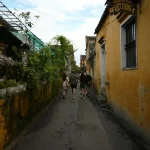
📷 Featured image by Vivu Vietnam on Unsplash.