On this page
- The Ha Giang Loop in 2026: What First-Timers Actually Need to Know
- What the Ha Giang Loop Actually Is
- Best Time to Ride: Seasons and 2026 Crowd Reality
- Choosing Your Ride: Rental, Easyrider, or Self-Drive
- The Route Breakdown: Key Stops and What You’ll See
- Safety: Road Conditions and What First-Timers Get Wrong
- Where to Sleep: Guesthouses and Homestays by Location
- Food on the Road: What to Eat and Where to Find It
- 2026 Budget Reality: Full Cost Breakdown
- Day Trip or Overnight? Always Overnight — Here’s Why
- Frequently Asked Questions
💰 Click here to see Vietnam Budget Breakdown
💰 Prices updated: August, 2026. Budget figures are estimates — always verify before travel.
Exchange Rate: $1 USD = ₫26,080.50
Daily Budget (per person)
Shoestring: ₫782,415 – ₫1,304,025 ($30.00 – $50.00)
Mid-range: ₫2,086,440 – ₫3,912,075 ($80.00 – $150.00)
Comfortable: ₫5,216,100 – ₫9,128,175 ($200.00 – $350.00)
Accommodation (per night)
Hostel/guesthouse: ₫78,242 – ₫312,966 ($3.00 – $12.00)
Mid-range hotel: ₫521,610 – ₫1,825,635 ($20.00 – $70.00)
Food (per meal)
Budget meal: ₫50,000.00 ($1.92)
Mid-range meal: ₫150,000.00 ($5.75)
Upscale meal: ₫400,000.00 ($15.34)
Transport
Single metro/bus trip: ₫10,000.00 ($0.38)
Monthly transport pass: ₫500,000.00 ($19.17)
The Ha Giang Loop in 2026: What First-Timers Actually Need to Know
The Ha Giang Loop has been on every serious traveller’s Vietnam radar for years, but 2026 brings a specific challenge: the route is more popular than ever, drone restrictions have tightened, and the permit system has been updated. If you’re planning your first loop, the old blog posts from 2019 will get you into trouble. This guide reflects what’s actually on the ground right now — road conditions, costs, logistics, and the honest advice that keeps first-timers safe instead of stranded.
What the Ha Giang Loop Actually Is
Ha Giang is Vietnam’s northernmost province, bordering China’s Yunnan province. The loop is a roughly 350-kilometre circuit through the Dong Van Karst Plateau Geopark — a UNESCO-recognised landscape of jagged limestone peaks, deep river valleys, and villages where H’mong, Tay, and Lo Lo ethnic minority communities have lived for centuries.
The classic loop runs: Ha Giang city → Quan Ba → Yen Minh → Dong Van → Meo Vac → back to Ha Giang via the Nho Que River valley. Most riders do it anticlockwise, saving the famous Ma Pi Leng Pass for day three when your riding confidence has built up. The total distance sounds manageable, but the roads demand full concentration — switchbacks, loose gravel patches, and trucks sharing single-lane mountain roads are standard.
In 2026, the province has paved several previously rough sections near Meo Vac, which is good news for safety but has reduced the wild, remote feeling on those stretches. The iconic sections — Ma Pi Leng, Quan Ba Twin Mountains viewpoint, and the Lung Cu flag pole area — remain completely intact.
Best Time to Ride: Seasons and 2026 Crowd Reality
Ha Giang has two windows that most experienced riders swear by:
- October to November: Buckwheat flowers bloom across the plateau in shades of pink and white. The light is soft, temperatures are cool (12–18°C at altitude), and the landscape looks almost unreal. This is peak season — expect fuller guesthouses and more riders on the road.
- March to April: Canola flowers turn the terraces yellow. Fewer tourists than autumn, but morning fog can reduce visibility on the passes. Dress in layers.
Avoid June through August. Monsoon rains make several sections genuinely dangerous — rockslides are common on the road between Dong Van and Meo Vac, and the red clay surface turns slippery enough to drop even experienced riders.
The 2026 crowd reality: domestic Vietnamese tourism in Ha Giang has grown sharply since 2024, particularly on weekends. If you’re riding in October, leave Ha Giang city on a Thursday or Friday to stay ahead of the weekend rush from Hanoi. The Twin Mountains viewpoint at Quan Ba now gets genuinely busy between 9am and 11am.
Choosing Your Ride: Rental, Easyrider, or Self-Drive
This decision shapes your entire trip, so think carefully.
Self-Drive Motorbike Rental
The most common choice for independent travellers. Semi-automatic Honda Win clones are cheap but unreliable on mountain roads. In 2026, most reputable rental shops in Ha Giang city now offer semi-automatic Honda XR150s and automatic Yamaha Grands — the XR150 is the better pick for the loop’s terrain. Expect to pay 200,000–350,000 VND (USD 8–14) per day. Always inspect the brakes thoroughly before you leave the shop. Ask specifically about the front brake — worn front brakes on descents are the leading cause of accidents on the loop.
Easyrider (Guided with a Local Driver)
You ride on the back; a local guide drives. This used to be considered the “soft” option, but it’s genuinely worth considering for first-timers with limited motorbike experience. A good easyrider guide speaks English, knows every pothole, and has connections with the best homestays. Prices in 2026 run 800,000–1,200,000 VND (USD 32–48) per day including the guide’s accommodation. The trade-off is flexibility — you move at their pace, not yours.
Joining a Group Tour from Ha Giang City
Several operators now run small group loops (4–8 people) with a lead guide on a motorbike. This is a practical middle ground — you drive yourself but have support if something goes wrong. Look for operators with mechanical backup bikes, not just a phone number to call.
The Route Breakdown: Key Stops and What You’ll See
The loop breaks naturally into three or four riding days depending on your pace.
Day 1: Ha Giang City to Yen Minh (~100 km)
The road climbs quickly out of the city. The Twin Mountains viewpoint at Quan Ba — two perfectly round limestone hills rising from a green valley — is your first major stop. The ride into Yen Minh passes through pine forests that smell nothing like the tropical Vietnam most visitors know. Arrive by early afternoon and explore Yen Minh’s small Sunday market if your timing aligns.
Day 2: Yen Minh to Dong Van (~60 km)
Shorter in distance but longer in time — the road through Pho Cao and into Dong Van twists constantly. Dong Van Old Quarter is a genuine highlight: French colonial houses, local H’mong markets, and the best corn wine (ruou ngo) on the loop. The plateau around Dong Van feels genuinely remote. At night, the silence at altitude is total.
Day 3: Dong Van to Meo Vac via Ma Pi Leng Pass (~24 km, but slow)
This is the centrepiece. Ma Pi Leng Pass drops 1,000 metres in a series of hairpin turns above the turquoise Nho Que River far below. There’s a viewpoint platform partway along — stop, get off the bike, and actually look. The sightline extends 30 kilometres into Yunnan on clear days. Meo Vac’s Sunday market (check timing before you go) draws traders from across the plateau.
Day 4: Meo Vac Back to Ha Giang (~150 km)
The return leg is the longest. The road south follows the Du Gia valley, which is less dramatic than the plateau but genuinely beautiful in a quieter way. Most riders complete this section without stopping much — start early.
Safety: Road Conditions and What First-Timers Get Wrong
The Ha Giang Loop is not a beginner ride. That’s not a discouragement — it’s a calibration. Here’s what experience shows:
- Overconfidence on descents: Riders who’ve only ridden flat roads in Hoi An or Hanoi consistently misjudge braking distances on steep switchbacks. Use engine braking (lower gears) on the way down — don’t ride the front brake continuously or it overheats.
- Starting too late in the day: Aim to be at your destination by 4pm. Fog rolls in fast after 5pm at altitude, and riding in thick mountain fog on an unfamiliar road is genuinely dangerous.
- Skipping the permit: The Ha Giang tourism permit for foreign nationals (100,000 VND / USD 4) must be obtained at the Tourism Department office in Ha Giang city before you leave. It takes 15 minutes and it’s checked at multiple points on the loop.
- Overloading the bike: Two people plus heavy backpacks on a 125cc bike is asking for brake failure on a mountain descent. Pack light — your guesthouse in Ha Giang city will hold luggage for you.
Where to Sleep: Guesthouses and Homestays by Location
Accommodation on the loop has improved significantly since 2024. The range now runs from basic dorm rooms to surprisingly comfortable private rooms with hot water and mountain views.
- Ha Giang City: Stay here your first night to sort the permit, inspect the rental bike, and get a proper sleep before riding. Mid-range guesthouses cluster around the central market area.
- Yen Minh: Small town with functional guesthouses — nothing memorable, but clean and cheap. A good base if you want a relaxed pace on day one.
- Dong Van: The best homestay options on the loop. Several H’mong family homestays in the old quarter offer simple rooms, communal dinners, and genuine local interaction. Book ahead in October — they fill completely during buckwheat season.
- Meo Vac: Fewer options than Dong Van but improving. Look for guesthouses on the main road with valley views — waking up above the Nho Que gorge is worth paying slightly more for.
Food on the Road: What to Eat and Where to Find It
Ha Giang’s food culture is distinctly northern and influenced by H’mong and Tay traditions — it’s nothing like the pho-and-banh mi trail further south.
At roadside stalls along the route, thang co is the dish you need to try at least once — a slow-cooked horse meat stew with organs and spices, ladled from a communal pot that’s been simmering since dawn. The rich, funky broth hits your senses before you even sit down. It’s served with corn wine and eaten communally. Don’t overthink it.
In Dong Van’s market and in Meo Vac, look for au tau porridge — a thick, warming breakfast dish made from aconite tubers that’s famous in the plateau region. It has a slightly numbing quality and is eaten with pork and ginger. Locals eat it on cold mornings specifically because it warms from the inside out.
Grilled corn, smoked buffalo meat, and fresh tofu from local markets round out the eating experience. For full meals, any guesthouse can arrange set dinners (usually 60,000–100,000 VND / USD 2.40–4) — these are reliably good and often better than the small restaurants in town.
2026 Budget Reality: Full Cost Breakdown
Prices below reflect what a solo rider actually spends completing the 4-day loop in 2026.
- Budget tier: 700,000–900,000 VND per day (USD 28–36) — dorm beds, self-catering where possible, basic rental bike, eating at market stalls.
- Mid-range: 1,200,000–1,800,000 VND per day (USD 48–72) — private guesthouse rooms, guesthouse dinners, reliable Honda XR150 rental, fuel included.
- Comfortable: 2,500,000–3,500,000 VND per day (USD 100–140) — easyrider guide included, better-quality homestays with private bathrooms, flexible itinerary.
Specific fixed costs: Ha Giang permit — 100,000 VND (USD 4). Fuel for the full loop — approximately 150,000–200,000 VND (USD 6–8) total. Motorbike rental for 4 days — 800,000–1,400,000 VND (USD 32–56). Accommodation per night ranges from 100,000 VND (USD 4) in a dorm to 350,000 VND (USD 14) for a private room with hot water.
Day Trip or Overnight? Always Overnight — Here’s Why
Unlike some regional destinations in Vietnam, the Ha Giang Loop cannot be done as a day trip. Full stop. The circuit is 350 kilometres on mountain roads where 40 km/h is often a brisk pace. Attempting it in less than three nights means you’re riding in darkness, skipping everything worth seeing, and taking real safety risks.
The minimum is three nights, four days. Four nights, five days is better — it lets you linger in Dong Van, catch a market day in Meo Vac, and actually absorb the landscape instead of just surviving it. The plateau’s scale only reveals itself when you’re not in a hurry. Travellers who rush the loop consistently say the same thing afterward: they wish they’d stayed longer.
If your time is genuinely limited and you can only do two days, ride to Quan Ba and back — you’ll see the Twin Mountains, get a taste of the plateau, and stay safe. But that’s a compromise, not the loop.
Frequently Asked Questions
Do I need a motorbike licence to ride the Ha Giang Loop?
Technically yes — Vietnam requires a valid licence for motorbikes over 50cc, and Ha Giang police check documents at multiple points in 2026. Your home country’s licence paired with a certified International Driving Permit (IDP) is what officers are looking for. Riding without one risks fines and bike confiscation at checkpoints near Quan Ba and Dong Van.
Is the Ha Giang Loop safe for solo female travellers?
Many solo female riders complete the loop every month without issues. The main safety considerations are road conditions and riding skill, not personal security. Joining a small group tour or travelling with an easyrider guide is a practical option if you want company and support. Local communities along the route are consistently welcoming to foreign visitors.
How do I get from Hanoi to Ha Giang city?
The most common route in 2026 is a sleeper bus from Hanoi’s My Dinh Bus Station — roughly 6–7 hours overnight, costing 200,000–300,000 VND (USD 8–12). Several operators run daily departures. There is no direct train to Ha Giang. Some travellers rent a motorbike in Hanoi and ride up, but the 300 km highway ride is unremarkable and tiring before the loop even starts.
What’s the best way to deal with the altitude and cold?
The plateau sits between 1,000 and 1,600 metres elevation. Nights in Dong Van and Meo Vac drop to 8–12°C in October and November, and lower in winter. Pack a thermal layer, wind-resistant jacket, and full-finger gloves — your hands go numb fast on an open motorbike at altitude. Guesthouses provide blankets, but a sleeping bag liner is worth carrying if you feel the cold easily.
Can I rent a car or jeep instead of a motorbike?
Jeep tours of Ha Giang have grown significantly in 2026, catering to families and travellers who want the scenery without the riding risk. Several operators in Ha Giang city offer 3–4 day jeep loops with a driver and guide. You’ll cover the same route but miss some of the smaller side roads only accessible by motorbike. Costs run 3,500,000–5,000,000 VND (USD 140–200) per day for a private jeep with driver.
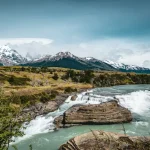
📷 Featured image by Alexander on Unsplash.