On this page
- Why 3 Days in Hanoi Actually Works
- Day 1: The Old Quarter, Hoan Kiem Lake and Your First Hanoi Night
- Day 2: Temple of Literature, West Lake and the French Quarter
- Day 3: Ho Chi Minh Complex, Dong Xuan Market and a Real Goodbye
- Where to Eat Across All 3 Days
- Getting Around Hanoi on This Itinerary
- Where to Stay for Each Budget Tier
- 2026 Budget Breakdown
- Practical Tips Before You Land
- Frequently Asked Questions
💰 Click here to see Vietnam Budget Breakdown
💰 Prices updated: October, 2026. Budget figures are estimates — always verify before travel.
Exchange Rate: $1 USD = ₫25,964.41
Daily Budget (per person)
Shoestring: ₫650,000 – ₫1,550,000 ($25.03 – $59.70)
Mid-range: ₫1,800,000 – ₫3,900,000 ($69.33 – $150.21)
Comfortable: ₫5,200,000 – ₫9,100,000 ($200.27 – $350.48)
Accommodation (per night)
Hostel/guesthouse: ₫120,000 – ₫350,000 ($4.62 – $13.48)
Mid-range hotel: ₫780,000 – ₫1,850,000 ($30.04 – $71.25)
Food (per meal)
Budget meal: ₫60,000.00 ($2.31)
Mid-range meal: ₫250,000.00 ($9.63)
Upscale meal: ₫800,000.00 ($30.81)
Transport
Single metro/bus trip: ₫10,000.00 ($0.39)
Monthly transport pass: ₫300,000.00 ($11.55)
Why 3 Days in Hanoi Actually Works
Most first-timers arrive in Hanoi and immediately feel the city pushing back — the noise, the scooters, the streets that don’t follow any grid logic. In 2026, Hanoi is busier than ever. The metro Line 3 extension now connects Noi Bai Airport to central districts faster than before, and tourist numbers have climbed steadily since the post-pandemic recovery peak. The result: popular sites are more crowded, scam operators are more polished, and showing up without a plan costs you real time and money. Three days is genuinely enough to cover the essential Hanoi — not in a rushed, tick-box way, but deeply enough to understand what makes this city tick. This itinerary is built for people who want substance, not selfies.
Day 1: The Old Quarter, Hoan Kiem Lake and Your First Hanoi Night
Land early if you can. Hanoi’s mornings are its best feature — the air is cooler, the light is golden, and the streets hold a rhythm that disappears by 10am. Drop your bags and walk. Day 1 is entirely about the historic core.
Morning: Hoan Kiem Lake and the Surrounding Streets
Start at Hoan Kiem Lake before 8am. The path around the lake takes about 20 minutes to walk and in the early morning it fills with locals doing tai chi, badminton, and group aerobics to speakers playing Vietnamese pop. It’s one of the few places in the city where tourists and Hanoians genuinely share the same space without it feeling performative. Cross the red wooden bridge to Ngoc Son Temple on the small island — tickets are 30,000 VND (about $1.20). The temple itself is compact but the atmosphere is worth the entry.
From the lake, walk north into the Old Quarter. The 36 ancient guild streets are smaller than most visitors expect — the whole area is walkable in under an hour if you move in a straight line, which you won’t. You’ll get pulled into alleyways, past a woman frying banh ran on a charcoal burner, past a hardware stall stacked to the ceiling with identical brass hooks. That’s the point. Let yourself get lost on Hang Bac, Hang Gai, and Ma May streets.
Afternoon: Hoa Lo Prison and the Dong Kinh Nghia Thuc Square Area
Hoa Lo Prison (the “Hanoi Hilton”) sits just southwest of the Old Quarter on Hoa Lo Street. Entry is 30,000 VND ($1.20). The exhibits are sobering and genuinely informative — this is not a tourist trap but a real historical site that covers both the French colonial era and the American War period. Budget 60 to 90 minutes here.

By mid-afternoon, walk back toward Dong Kinh Nghia Thuc Square near the lake’s northern edge. This is where the weekend walking street begins — but on weekdays it’s a calm open square good for sitting with an iced coffee from one of the pavement cafes along Dinh Tien Hoang Street.
Evening: Ta Hien Street and the Old Quarter Night Scene
Dinner on Hang Buom Street or the surrounding lanes. Then head to Ta Hien Street — nicknamed Beer Street — for your first Hanoi evening. It’s loud, it’s chaotic, and plastic stools on the pavement are the only seating. A glass of fresh bia hoi costs around 7,000 to 10,000 VND ($0.28–$0.40). The haze of cigarette smoke, the clink of glasses, the shout of “mot hai ba yo!” from a table of office workers — this is Hanoi nightlife at its most honest level.
Day 2: Temple of Literature, West Lake and the French Quarter
Day 2 pulls you out of the medieval tangle of the Old Quarter and into Hanoi’s wider personality — the scholarly, the colonial, and the quietly wealthy lakeside district that expats and well-off locals have made their own.
Morning: Temple of Literature
Van Mieu – Quoc Tu Giam (Temple of Literature) opens at 8am and is best visited before the tour groups arrive around 9:30am. Entry is 30,000 VND ($1.20). Built in 1070, this is Vietnam’s first university, and the five courtyard complex still carries a contemplative weight. The stone doctoral steles are genuinely remarkable — 82 stone tablets mounted on stone tortoises, each inscribed with the names of men who passed the royal exams between 1442 and 1779. Walk slowly through all five courtyards. The final courtyard houses the main sanctuary and smells of incense smoke that thickens in the still morning air.
Midday: West Lake (Ho Tay)
Grab a Grab (the ride-hail app) northwest to West Lake. At 500 hectares, it’s the largest lake in Hanoi and the surrounding Tay Ho district has become the city’s most livable neighborhood — wide roads, good cafes, and a pace that feels nothing like the Old Quarter. Walk the southern shore path from Tran Quoc Pagoda (one of Vietnam’s oldest Buddhist temples, free entry) westward. Stop for lunch at one of the lakefront restaurants on Xuan Dieu Street, which runs parallel to the eastern shore and is lined with everything from banh mi stalls to Japanese restaurants.

Afternoon: The French Quarter and Hoan Kiem’s Southern Side
The French Quarter sits south of the lake, roughly between Trang Tien Street and Ngo Quyen Street. The architecture here — wide tree-lined boulevards, yellow colonial facades, shuttered villas — is a completely different visual grammar from the Old Quarter. Walk Trang Tien Street past the Hanoi Opera House (you can’t go inside without a ticket to a performance, but the exterior is worth a look) and down to Hoan Kiem’s southern shore. The Vietnam National Museum of History on Trang Tien Street has free admission on certain days and a well-curated collection if you have the energy for it.
Evening: Rooftop Drinks and a Quiet Dinner
The French Quarter has several rooftop bars with views over the Opera House and the tree canopy. Cama ATK on Hang Bai Street is a local favorite — less polished than the hotel bars but genuinely atmospheric. For dinner, Ngo 31 Ly Quoc Su (an alley just off the main street near St. Joseph’s Cathedral) has a cluster of restaurants that cater more to locals than tourists, with pricing to match.
Day 3: Ho Chi Minh Complex, Dong Xuan Market and a Real Goodbye
Your last full day covers Hanoi’s political and commercial heart — the Ba Dinh district in the morning and the Old Quarter’s biggest market before you leave.
Morning: The Ho Chi Minh Complex
The Ho Chi Minh Mausoleum is only open in the mornings (typically 8am–11am, closed Mondays and Fridays and during October–November for the body’s annual preservation maintenance — check current opening dates before you visit in 2026). Entry to the mausoleum itself is free but requires proper dress: covered shoulders and knees, no bags, no phones while inside. The queue can stretch 45 minutes on weekends. The experience itself takes about 10 minutes — you walk in silence past the embalmed body of Ho Chi Minh, watched over by white-uniformed guards. It is quietly powerful in a way that’s hard to describe before you’ve done it.
Within the same complex, the Ho Chi Minh Stilt House and the Presidential Palace grounds are open for walking (entry included in the complex ticket, around 40,000 VND / $1.60). The One Pillar Pagoda is a 2-minute walk from the main gate — tiny, visually striking, and free.

The Vietnam Museum of Ethnology is a 10-minute Grab ride from Ba Dinh Square and easily the best museum in the country. Entry is 40,000 VND ($1.60). The outdoor section has full-scale reconstructed minority dwellings — longhouses, stilt houses, communal halls — and on weekday mornings it’s nearly empty. Give it 90 minutes minimum.
Afternoon: Dong Xuan Market and the Old Quarter’s Commercial Streets
Dong Xuan Market, at the northern end of the Old Quarter on Dong Xuan Street, is Hanoi’s largest covered market. Three floors of wholesale and retail — textiles, dry goods, plastic kitchenware, live fish, dried herbs, fake brand clothing, and about a hundred things you didn’t know existed. It’s not a tourist market. Most vendors deal in bulk. But the ground floor wet market section is one of the most vivid sensory experiences in Hanoi — the smell of fresh herbs and river fish, vendors calling to each other in rapid Hanoian dialect, the slap of fish on wet tile. Walk through even if you buy nothing.
After Dong Xuan, work your way back through Hang Dao Street (clothing and fabric) and Hang Ngang Street for last-minute shopping.
Final Evening: Somewhere Worth Remembering
The weekend night market on Hang Dao and Hang Duong streets (Friday to Sunday nights) is the best send-off if your last evening falls on those days. Street food, live music from corner speakers, and the whole Old Quarter pedestrianized and buzzing. If you’re leaving on a weekday, a quiet dinner at a bun cha spot on Hang Manh Street — smoke rising from the charcoal grill at the entrance, the sharp smell of pork fat hitting the flame — is the more authentic version of the same feeling.
Where to Eat Across All 3 Days
Don’t wander hoping to find good food in Hanoi. Go to specific places.
- Pho Thin (13 Lo Duc Street): The most famous bowl of pho in the city. Open from 6am, often sold out by 10am. Queue, eat standing, leave.
- Bun Cha Huong Lien (24 Le Van Huu): Known internationally but still a proper local joint. Bun cha set meals from around 60,000 VND ($2.40).
- Banh Mi 25 (25 Hang Ca Street): Consistently the best banh mi in the Old Quarter. Expect a short wait. Sandwiches from 35,000 VND ($1.40).
- Cho Hom Market area (Hue Street): For cheap, good com binh dan (rice plate meals) eaten on plastic stools with local workers.
- Xuan Dieu Street, Tay Ho: The dining street for mid-range and upscale options near West Lake — Vietnamese, Japanese, Korean, and international all within 1km.
- Tong Duy Tan Street: A street of cheap eateries and street food stalls between the Old Quarter and Hoan Kiem — massively underrated and barely mentioned in guidebooks.

Getting Around Hanoi on This Itinerary
Grab is the default for anything over 1.5km. In 2026, Grab operates GrabCar and GrabBike across Hanoi reliably. Expect to pay 15,000–30,000 VND ($0.60–$1.20) for short Old Quarter rides. Surge pricing applies during rush hour (7–9am and 5–7pm).
The Hanoi Metro Line 2A runs from Cat Linh to Ha Dong and is useful if you’re staying in the southwestern districts. Line 3 (the airport connector, operational since late 2025) cuts airport transfer time to roughly 35 minutes from central Hanoi — a major improvement over the old 45–60 minute minibus slog. Tickets cost around 15,000–35,000 VND ($0.60–$1.40) depending on distance.
For Day 1 and Day 2 mornings in the Old Quarter, walk everywhere. The streets are too narrow and congested for vehicles to be faster than your feet. Wear shoes you don’t mind getting dirty.
Renting an electric scooter is possible and increasingly popular in 2026 — several rental shops operate on Luong Ngoc Quyen Street in the Old Quarter. Daily rates around 150,000–200,000 VND ($6–$8). An international driving permit is technically required.
Where to Stay for Each Budget Tier
The Old Quarter is the obvious base for first-timers — central, walkable, loaded with guesthouses and hostels. The streets around Hang Bac, Ma May, and Luong Ngoc Quyen have the highest density of accommodation. It’s noisy. That’s the trade-off.
For a quieter base with easy Old Quarter access, the Hoan Kiem South / French Quarter area around Bao Khanh and Nha Tho streets suits mid-range travelers — boutique hotels, closer to the Cathedral, marginally calmer.
Tay Ho (West Lake) is the choice for longer stays and those who want space. It’s 4–6km from the Old Quarter but has Hanoi’s best cafes, restaurants, and expat infrastructure. Luxury serviced apartments and hotels sit along the lake’s eastern shore.
2026 Budget Breakdown
Hanoi remains one of Southeast Asia’s most affordable cities, but prices have risen 15–20% since 2023 across accommodation and food.
- Budget traveler: 400,000–600,000 VND per day ($16–$24). Hostel dorm, street food every meal, Grab sparingly, museum entry fees included.
- Mid-range traveler: 1,000,000–1,800,000 VND per day ($40–$72). Private room in a boutique guesthouse, mix of street food and sit-down restaurants, daily Grab rides, one or two museum entries.
- Comfortable traveler: 2,500,000–5,000,000 VND per day ($100–$200). Three-star or four-star hotel, good restaurants for dinner, spa treatment, private car transfers.

Accommodation is the biggest variable. A hostel dorm in the Old Quarter runs 150,000–250,000 VND ($6–$10) per night. A decent private room in a guesthouse costs 400,000–700,000 VND ($16–$28). A mid-range boutique hotel with breakfast starts at 900,000 VND ($36) and scales quickly from there.
Practical Tips Before You Land
E-visa: Vietnam’s e-visa is valid for 90 days as of 2025 and covers all nationalities. Apply at least 3 business days before arrival at the official government portal. Don’t use third-party agents — the official fee is $25 USD and agents charge double or more for the same result.
SIM card: Buy a Viettel or Vietnamobile SIM at Noi Bai Airport arrivals. A 30-day SIM with 4G data costs around 200,000–300,000 VND ($8–$12). Viettel has the widest coverage nationwide.
Water: Do not drink tap water. Bottled water is 5,000–10,000 VND ($0.20–$0.40) everywhere. Most guesthouses provide free filtered water.
Safety: Hanoi is generally safe. Bag snatching by motorbike occurs in the Old Quarter — wear bags across your body and don’t walk with your phone out on busy roads. Taxi scams at the airport were common before Grab became dominant; use Grab or the official airport taxi counter instead of touts.
Bargaining: Fixed prices in most restaurants and convenience stores. Bargaining applies at Dong Xuan Market, the weekend night market, and souvenir stalls. Start at 50% of the opening price in those contexts.
Heat: Hanoi summers (June–August) hit 38–40°C with high humidity. Carry a small water bottle, wear light cotton, and plan outdoor sightseeing before noon. Winters (December–February) drop to 10–15°C at night — bring a layer.
Frequently Asked Questions
Is 3 days enough for Hanoi?
Three full days covers the core of Hanoi comfortably for a first-time visitor. You can see the Old Quarter, Hoan Kiem Lake, the Ho Chi Minh Complex, Temple of Literature, and West Lake without rushing. A fourth day allows for a day trip to Ninh Binh or Ha Long Bay if your schedule permits.
What is the best area to stay in Hanoi for first-timers?
The Old Quarter is the most practical base — it puts you within walking distance of the top sights, the best street food streets, and the main transportation hubs. It is noisy and busy. If you’re a light sleeper, book a room on one of the smaller side streets rather than on Hang Bac or Ma May directly.

How do I get from Noi Bai Airport to the Old Quarter in 2026?
The Metro Line 3 extension (operational since late 2025) is the fastest and cheapest option, taking around 35 minutes to central Hanoi for under 35,000 VND ($1.40). Grab car from the airport runs 200,000–300,000 VND ($8–$12) depending on traffic. Avoid taxi touts inside the arrivals hall.
What should I not miss on a first visit to Hanoi?
The Ho Chi Minh Mausoleum complex, Hoan Kiem Lake at dawn, the Old Quarter’s street-level chaos, a bowl of pho at a local shop before 9am, and at least one evening on Ta Hien Street. The Vietnam Museum of Ethnology is underrated and genuinely excellent — don’t skip it if you have time on Day 3.
Is Hanoi safe for solo travelers in 2026?
Yes. Hanoi is considered safe for solo travelers including solo women. The main risks are motorbike bag snatching in crowded areas and occasional scams targeting tourists around the Old Quarter. Use Grab instead of street taxis, keep valuables secured, and you’ll have very few problems.
Explore more
Best Restaurants in Hanoi: A Food Lover’s Ultimate Guide
The Ultimate Guide to Hanoi Nightlife: Bars, Clubs & Beyond
Hanoi Shopping Guide: Your Ultimate List of Markets, Malls & Must-Buys
Where to Party in Hanoi: Your Essential District-by-District Guide
What to Buy in Hanoi: The Top 15 Souvenirs & Gifts to Bring Home
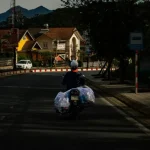
📷 Featured image by Hyeryeong Song on Unsplash.