On this page
- Why Dalat Feels Unlike Anywhere Else in Vietnam
- Top Things to Do in Dalat
- Where to Eat in Dalat — The Cold-Weather Food Scene
- Getting to Dalat in 2026
- Getting Around the City
- Day Trip or Overnight? How Long You Actually Need
- 2026 Budget Reality — What Dalat Costs
- Best Time to Visit and What to Expect Each Season
- Frequently Asked Questions
💰 Click here to see Vietnam Budget Breakdown
💰 Prices updated: October, 2026. Budget figures are estimates — always verify before travel.
Exchange Rate: $1 USD = ₫25,964.41
Daily Budget (per person)
Shoestring: ₫650,000 – ₫1,550,000 ($25.03 – $59.70)
Mid-range: ₫1,800,000 – ₫3,900,000 ($69.33 – $150.21)
Comfortable: ₫5,200,000 – ₫9,100,000 ($200.27 – $350.48)
Accommodation (per night)
Hostel/guesthouse: ₫120,000 – ₫350,000 ($4.62 – $13.48)
Mid-range hotel: ₫780,000 – ₫1,850,000 ($30.04 – $71.25)
Food (per meal)
Budget meal: ₫60,000.00 ($2.31)
Mid-range meal: ₫250,000.00 ($9.63)
Upscale meal: ₫800,000.00 ($30.81)
Transport
Single metro/bus trip: ₫10,000.00 ($0.39)
Monthly transport pass: ₫300,000.00 ($11.55)
Why Dalat Feels Unlike Anywhere Else in Vietnam
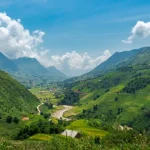
Dalat sits at 1,500 metres above sea level in the Lang Biang highlands of Lam Dong Province, and the altitude changes everything. The air is cool — sometimes sharp — and smells of pine resin and woodsmoke rather than the diesel and jasmine you get on the coast. Temperatures in 2026 average between 15°C and 24°C year-round, which is why the French built a hill station here in the early 1900s and why Vietnamese families have been escaping here from Ho Chi Minh City ever since.
Most beach towns in Vietnam have a sameness to them after a while. Dalat does not. The streets roll up and down in steep curves past strawberry farms, hydrangea nurseries, and French-colonial villas with terracotta roofs slowly being reclaimed by bougainvillea. The cuisine is built around artichokes, avocados, and local wine — ingredients that simply do not grow anywhere else in the country at this scale. Even the light is different: softer, muted by morning mist that burns off slowly by mid-morning.
What has changed since 2024 is the sheer volume of domestic visitors. A new expressway connecting Dalat more efficiently to Bao Loc and the coastal highway has made weekend access from Ho Chi Minh City faster, which means Friday-to-Sunday crowds have intensified considerably. If your trip falls on a Vietnamese public holiday, expect fully booked guesthouses and long queues at the central market. Arrive Tuesday through Thursday and the city feels almost like your own.
Top Things to Do in Dalat
Explore the Xuan Huong Lake Loop
The artificial lake at the centre of Dalat is 5 kilometres around and the easiest way to orient yourself in the city. Walk it early — around 6am — when locals do their morning exercise and the mist still sits on the water. Pedal boats are available from around 7am (roughly 50,000 VND / $2 USD for 30 minutes), but the walk itself is free and genuinely pleasant. The old Dalat Palace Hotel overlooks the lake from the north shore; even if you’re not staying there, the terrace bar is worth a visit at sunset.
Canyoning in Datanla Falls
This is Dalat’s standout adventure activity and one that has developed significantly since 2024. Several operators now run full-day canyoning trips down the waterfalls and gorges near Datanla, about 7 kilometres south of the city centre. You abseil, swim, and slide through canyon chutes with a guide. The sensation of cold mountain water rushing over you after a rope descent is the kind of thing people come back for. Budget around 800,000–1,200,000 VND ($32–$48 USD) for a full-day trip including equipment and lunch. Age and fitness restrictions apply — ask operators directly.
The Crazy House (Hang Nga Villa)
Architect Dang Viet Nga designed this surrealist guesthouse over several decades, and it remains one of the most genuinely unusual buildings in Southeast Asia. The exterior looks like a melting treehouse. Interior corridors curl through hollow tree trunks, past sculpted animals and rooms with no right angles. It is still a functioning guesthouse in 2026, with eight rooms available for overnight stays. Entry for non-guests is 60,000 VND ($2.40 USD). Go in the morning before tour groups arrive — the place empties quickly after 9am and feels genuinely dreamlike when quiet.
Langbiang Mountain Trek
The Lang Biang massif rises to 2,167 metres and sits about 12 kilometres north of the city. A jeep road gets you to around 1,900 metres, then a marked trail covers the final push to the summit. The full hike from the base takes three to four hours return at a moderate pace. On a clear day — most common between December and February — you can see the full sweep of the highland plateau. Entry to the national park area costs 30,000 VND ($1.20 USD); jeep transport up the lower section is available for around 150,000 VND ($6 USD) return if you prefer.
Dalat Night Market and the Central Market
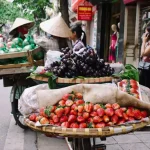
The night market on Nguyen Thi Minh Khai Street runs from around 6pm and sells dried fruit, local wine, handmade goods, and street food. It’s touristy but genuinely lively. The Central Market (Cho Da Lat) one block up is where locals actually shop and is far more interesting during daylight hours — stalls sell fresh artichokes, local strawberries, rose jam, and every variety of highland vegetable you’ve probably never seen before. Wander the upper floors for cheap banh mi and coffee.
Where to Eat in Dalat — The Cold-Weather Food Scene
Dalat’s food culture is shaped entirely by its climate. Dishes here are warming, heavier, and make use of produce that does not exist at sea level in Vietnam. The artichoke tea — tra atiso — is brewed from dried flowers and served in clay pots; slightly bitter, earthy, and surprisingly addictive after the first cup. You’ll find it at almost any local café for around 15,000–25,000 VND ($0.60–$1 USD).
Banh Can is the street food you should not leave without trying. Small rice-flour pancakes cooked in clay moulds over charcoal, served with quail eggs, spring onion, and a dipping sauce of fish sauce and fresh chilli. The sizzle as batter hits the hot moulds and the smoky, slightly charred smell rising from the street stalls near the market is one of those sensory anchors that stays with you. A full serving costs around 30,000–40,000 VND ($1.20–$1.60 USD).
For a proper sit-down meal, Quan Trang on Phan Dinh Phung Street serves excellent banh uot (steamed rice rolls) and pho bo at local prices. For something more substantial, the restaurants along Truong Cong Dinh Street offer hotpot (lau) with local mushrooms and vegetables — ideal on a cool evening. Avocado smoothies (sinh to bo) are ubiquitous and worth ordering everywhere; the local avocados are fat, buttery, and nothing like the imported variety.
Dalat also produces wine — the Vang Dalat label is widely available and best treated as a curiosity rather than a serious wine. It is sweet and low-alcohol. The local strawberry wine sold at market stalls is more interesting and makes a good gift.
Getting to Dalat in 2026
By Air: Lien Khuong Airport sits 28 kilometres south of the city. In 2026, Vietnam Airlines, VietJet, and Bamboo Airways all operate direct flights from Hanoi (approximately 2 hours) and Ho Chi Minh City (1 hour). Flight prices vary widely — booking two to three weeks in advance typically lands you a round-trip fare from Ho Chi Minh City in the range of 600,000–1,500,000 VND ($24–$60 USD). The airport expanded its domestic terminal in late 2025, which has reduced congestion significantly. A grab car from the airport to the city centre costs around 200,000–250,000 VND ($8–$10 USD) and takes 40 minutes.
By Bus: Sleeper buses from Ho Chi Minh City to Dalat depart frequently from the Mien Dong bus station and take approximately 7–8 hours. Fares are around 150,000–200,000 VND ($6–$8 USD) with operators like Phuong Trang (Futa Bus). This remains the most popular option for budget travellers. Buses from Nha Trang take 3.5–4 hours and cost around 100,000–130,000 VND ($4–$5.20 USD).
By Motorbike: The mountain road up from the coast — particularly from Nha Trang via the Ngoan Muc Pass — is one of the finest riding routes in southern Vietnam. It involves hairpin bends, dramatic drops to the coastal plain, and a temperature shift of nearly 10°C over 50 kilometres. Take it slow; the road is not forgiving in wet weather and large trucks use it regularly.
Getting Around the City
Dalat’s terrain is hilly and the distances between attractions are not always walkable. Grab operates reliably in the city centre and is the easiest option for most visitors. A typical in-city ride costs 30,000–60,000 VND ($1.20–$2.40 USD). For a full day of sightseeing, renting a motorbike from guesthouses or local shops costs around 100,000–150,000 VND ($4–$6 USD) per day — this gives you freedom to explore the surrounding flower farms, waterfalls, and viewpoints on your own schedule.
Easy riders — local motorbike guides who take passengers on the back of their bikes — have operated in Dalat for decades and remain a legitimate option in 2026. They charge around 400,000–600,000 VND ($16–$24 USD) for a half-day tour and know the back roads and local spots that no app will show you. Ask your guesthouse to recommend someone they have used before.
Day Trip or Overnight? How Long You Actually Need
Dalat is 300 kilometres from Ho Chi Minh City and 130 kilometres from Nha Trang. It is technically possible to visit as a day trip from Nha Trang by bus, but you would spend more time travelling than exploring. A day trip from Ho Chi Minh City makes almost no sense given the travel time involved.
The minimum stay that allows you to experience Dalat properly is two nights. This gives you one full day for the core attractions — the lake, Crazy House, market, and a canyoning or hiking activity — and a second morning to eat breakfast at your own pace, explore the flower farms or Valley of Love, and leave without feeling rushed.
Three nights is the sweet spot for most visitors. It allows for a day in the city, a day of outdoor adventure, and a slower final day — renting a motorbike to ride out to the Elephant Falls (about 25 kilometres west) or the coffee and silk-worm farms along Highway 20. If you have four or more nights, Dalat also works as a base for a day trip to Bao Loc, known for its tea plantations and its own set of waterfalls.
2026 Budget Reality — What Dalat Costs
Budget travellers can manage Dalat comfortably on 400,000–600,000 VND ($16–$24 USD) per day. This covers a dorm bed at a hostel (100,000–150,000 VND / $4–$6 USD per night), street food meals (30,000–70,000 VND / $1.20–$2.80 USD each), and local coffee. A budget day means walking or using cheap Grab rides and skipping paid attractions.
Mid-range travellers spending 800,000–1,500,000 VND ($32–$60 USD) per day get a private room at a guesthouse or small hotel with mountain views (350,000–600,000 VND / $14–$24 USD per night), sit-down meals at local restaurants, entry fees to two or three attractions, and a Grab or motorbike rental for the day.
Comfortable travellers at 2,000,000–4,000,000 VND ($80–$160 USD) per day can stay at a heritage hotel or boutique property, eat at mid-level Western and Vietnamese restaurants, join a full-day guided adventure tour, and drink decent wine in the evening without budgeting carefully.
Note that Dalat’s accommodation prices spike by 30–50% on weekends and can double during Vietnamese public holidays like Tet, April 30, and National Day. Book ahead or visit mid-week.
Best Time to Visit and What to Expect Each Season
Dry season (November to April) is the most popular and most comfortable window. Days are clear, temperatures sit between 15°C and 22°C, and the nights can drop to 10°C or below in December and January. Bring a layer — visitors arriving from the coast in shorts regularly underestimate how cold the evenings get. This is when the flower festivals run and when visibility on Lang Biang is at its best.
Rainy season (May to October) brings afternoon and evening downpours that can last several hours. The mornings are often clear and cool, making early starts worthwhile. The landscape turns intensely green and lush during this period, the waterfalls run at full force, and the crowds thin out noticeably — especially in June and September. If you don’t mind waterproofs and mud on hiking trails, the wet season is genuinely underrated.
Avoid the weeks around Tet (late January or February depending on the lunar calendar) and the April 30–May 1 holiday period unless you have booked accommodation months in advance. These are the two peak domestic travel periods and Dalat absorbs an enormous number of Vietnamese visitors during both.
Frequently Asked Questions
Is Dalat worth visiting for international tourists or is it mainly for Vietnamese domestic travellers?
Dalat is genuinely worth visiting for international tourists. Its highland scenery, cool climate, French colonial architecture, and adventure activities offer something distinct from the beach towns and big cities. International visitor numbers have grown steadily since 2024, and English is widely spoken at guesthouses, tour operators, and restaurants in the central tourist areas.
How cold does Dalat actually get? Do I need to pack warm clothes?
Yes, pack at least one warm layer regardless of when you visit. Evenings drop to 10°C–14°C in the coolest months (December to February) and rarely exceed 20°C at night even in the warmest months. A light jacket or fleece is sufficient for most visitors, though a heavier layer is useful for early morning hikes or motorbike rides.
Is Dalat safe for solo travellers and female travellers?
Dalat has a well-deserved reputation as one of the safer cities in Vietnam for solo and female travellers. Violent crime is rare, the streets are relatively well-lit, and the city’s strong café and guesthouse culture means there are always people around. Standard urban precautions apply — watch your phone in crowded markets and use Grab rather than unmarked taxis at night.
What is the best way to get from Nha Trang to Dalat?
The bus is the most practical option — see fares and journey times in the Getting to Dalat section above. The mountain road via the Ngoan Muc Pass is scenic and worthwhile if you are travelling by motorbike. There are no direct train services — the nearest major rail hub is Thap Cham station near Phan Rang, which adds considerable time.
Can I visit Dalat’s flower farms and coffee farms independently without a tour?
Yes. Most flower farms along the roads north and west of the city allow independent visitors who arrive by motorbike or Grab. Entry is typically 20,000–50,000 VND ($0.80–$2 USD). Coffee farms along Highway 20 toward Bao Loc are similarly accessible. A motorbike rental gives you the most flexibility, though a self-guided route map from your guesthouse helps considerably.
📷 Featured image by Hiep Duong on Unsplash.