On this page
- The Peak Bloom Window: October–November Buckwheat Flower Season
- Rice Terrace Gold: The September Harvest Rush
- Spring on the Loop: February–April After Tet
- Summer on the Loop: What June–August Actually Looks Like
- The Rainy Season Reality: May and the Landslide Risk
- Day-by-Day Weather Patterns Across the Loop Route
- 2026 Budget Reality: What Each Season Costs
- Getting to Ha Giang: Transport Options by Season
- Day Trip or Overnight? Why Ha Giang Demands More Time
- Frequently Asked Questions
💰 Click here to see Vietnam Budget Breakdown
💰 Prices updated: October, 2026. Budget figures are estimates — always verify before travel.
Exchange Rate: $1 USD = ₫25,964.41
Daily Budget (per person)
Shoestring: ₫650,000 – ₫1,550,000 ($25.03 – $59.70)
Mid-range: ₫1,800,000 – ₫3,900,000 ($69.33 – $150.21)
Comfortable: ₫5,200,000 – ₫9,100,000 ($200.27 – $350.48)
Accommodation (per night)
Hostel/guesthouse: ₫120,000 – ₫350,000 ($4.62 – $13.48)
Mid-range hotel: ₫780,000 – ₫1,850,000 ($30.04 – $71.25)
Food (per meal)
Budget meal: ₫60,000.00 ($2.31)
Mid-range meal: ₫250,000.00 ($9.63)
Upscale meal: ₫800,000.00 ($30.81)
Transport
Single metro/bus trip: ₫10,000.00 ($0.39)
Monthly transport pass: ₫300,000.00 ($11.55)
Ha Giang’s popularity exploded between 2022 and 2025, and the side effect is real: the Loop now gets genuinely crowded during peak season. In 2026, motorbike rental shops in Ha Giang town routinely sell out two to three weeks in advance during October, and guesthouses on the Dong Van Karst Plateau are booked solid by mid-September for the buckwheat flower peak. If you’re planning a Loop adventure, picking the right window isn’t just about scenery — it’s about whether you’ll actually have a road to yourself or be stuck in a convoy of Easy Riders.
The Peak Bloom Window: October–November Buckwheat Flower Season
The buckwheat flower bloom is Ha Giang’s most photographed moment, and it earns every shot. From mid-October through mid-November, the hillsides around Dong Van, Meo Vac, and Lung Cu turn a deep dusty pink — almost magenta in the late afternoon light — with patches of white where younger plants are still flowering. The contrast against the grey limestone karst is genuinely arresting.
Peak bloom typically lands in the last two weeks of October. The air at this elevation (Dong Van sits above 1,000 metres) carries a dry crispness that smells faintly of soil and something floral but not sweet — more herbal than perfume. Daytime temperatures sit around 18–22°C in the valley floors, dropping to 10–14°C at night on the plateau.
The road conditions in October are as good as they get. The rains have largely stopped, the road surface has dried out, and visibility on the mountain passes is usually clear. Quan Ba’s Heaven Gate and the Mã Pí Lèng Pass are at their most dramatic — sharp, dry ridgelines with no fog smearing the view.
The honest downside: you will share this experience. The Nho Que River viewpoint near Meo Vac now has a small fee and a timed entry window on weekends. Book your guesthouses in Dong Van and Meo Vac no later than four weeks in advance if you’re travelling in October.
Rice Terrace Gold: The September Harvest Rush
September is when the rice terraces turn golden, and this is Ha Giang’s second — and arguably more underrated — visual peak. The terraced fields around Hoang Su Phi district, roughly 100 kilometres west of Ha Giang town, are the main attraction here. These aren’t the same terraces as the Dong Van loop; Hoang Su Phi requires a deliberate detour or a separate trip entirely.
The harvest window is narrow. Depending on elevation and the specific village, golden rice appears from early September through early October. Farmers work fast — fields that are glowing yellow one week may be cut and stubbled the next. If you want both the rice gold and the buckwheat pink, you need a minimum of ten to twelve days in the province.
Weather in September is transitional. The heavy rains of July and August have weakened, but sporadic downpours still occur, sometimes making the single-track roads in Hoang Su Phi slippery. Midday humidity is high. Mornings, though, are spectacular — low mist settles in the valleys, and the golden terraces catch the early light in a way that no afternoon photo quite replicates.
The Hoang Su Phi Terraced Rice Field Festival, which the local government now runs in late September, draws domestic tourists in large numbers. If you want quiet, arrive the week before the festival rather than during it.
Spring on the Loop: February–April After Tet
February through April is Ha Giang’s most comfortable season for riding, and after Tet (which falls in late January or early February depending on the lunar calendar), the Loop empties out almost immediately. Vietnamese domestic tourists return to work, and the international crowd hasn’t fully arrived yet.
The landscape in spring is green and lush. Peach and plum trees blossom around Quan Ba and Yen Minh in February, painting the roadsides pale pink and white — a softer, quieter beauty than the October crowds. By March, wildflowers appear along the roadsides, and rapeseed flowers bloom yellow across certain valley floors near Dong Van.
Temperatures are mild: 15–20°C during the day, cooler at night at higher elevations. There’s occasional light fog in the mornings on the plateau, which clears by mid-morning most days. Road conditions are generally good.
The practical advantage here is price. Guesthouses that cost 400,000–600,000 VND (roughly $16–24 USD) per night in October may drop to 250,000–350,000 VND ($10–14 USD) in March. Motorbike rental shops have availability without advance booking.
April starts to warm up, particularly in the lower valleys approaching Ha Giang town, where temperatures can hit 28–30°C by afternoon. On the plateau itself it remains pleasant. April is arguably the sweet spot — warm enough to be comfortable at night, still green, and crowds have not yet ramped up for summer.
Summer on the Loop: What June–August Actually Looks Like
Let’s be honest about summer. June through August is Ha Giang’s wet season proper, and it is genuinely challenging for the Loop. This doesn’t mean it’s impossible — plenty of experienced riders do it — but you need to go in with clear expectations.
Rainfall is heaviest in July and August. Afternoon thunderstorms are common, sometimes lasting two to three hours. The limestone karst absorbs and redirects water in unpredictable ways, and certain sections of the Loop — particularly between Meo Vac and Khau Vai — can see road flooding on the valley floor. The mountain passes themselves are usually passable, but the road surface becomes greasy and requires slower riding.
The upside: the landscape is intensely green. Rice paddies are newly planted and vivid. Waterfalls that are dry trickles in October become full, thundering cascades. The Nho Que River runs a brilliant jade green — more saturated than any other season — and the canyon walls above Mã Pí Lèng are draped with mist and greenery.
If you ride in summer, ride in the mornings. Storms typically build in the afternoon. Leave guesthouses by 7am, aim to complete major passes before noon, and have your accommodation locked in before you set out — you don’t want to be searching for a bed in the rain at 5pm.
Foreign tourists are relatively rare in summer, which means locals are more relaxed and less accustomed to the tourist economy being in full swing. Prices are lower, guesthouses are quieter, and you’ll eat at restaurants that cater primarily to Vietnamese truck drivers and locals — which is often the best food on the loop.
The Rainy Season Reality: May and the Landslide Risk
May deserves its own section because it’s the trickiest month to call. It sits right at the transition point — rains begin to increase in the second half of the month, but the first two weeks can still be quite dry. Some years, May stays mostly clear. Other years, heavy rain arrives early.
The specific risk in May, and again in September, is landslides. The karst terrain is inherently unstable when saturated, and road cuts through hillsides — of which there are many on the Loop — can shed rock and debris after sustained rain. In 2025, a section of the road between Yen Minh and Dong Van was blocked for two days in late May due to a rockslide. Roads were cleared, but riders were stuck waiting in Yen Minh.
This isn’t meant to scare you off May entirely. It means checking weather forecasts obsessively, carrying a one-day buffer in your itinerary at every major town, and having the flexibility to wait it out if a road is blocked. The Ha Giang provincial road authority posts updates on its Facebook page, and guesthouse owners on the Loop are usually the best real-time source of information.
Day-by-Day Weather Patterns Across the Loop Route
The Loop covers roughly 350 kilometres in a standard circuit, and the weather can vary significantly depending on where you are. Ha Giang town sits in a river valley at around 117 metres elevation and tends to be warmer and more humid than the plateau. As you climb toward Quan Ba (1,500 metres at the pass), temperatures drop noticeably.
The Dong Van plateau sits at 1,000–1,600 metres and has a semi-arid microclimate compared to the rest of the province. It receives less rainfall than the surrounding mountains, which is part of why the buckwheat flower thrives there — the plant prefers drier soil. Meo Vac, on the canyon side of the plateau, is sheltered and warmer during winter months.
A rough breakdown by route position:
- Ha Giang town to Quan Ba: Lower, more humid, warmer. Affected more by valley rain.
- Quan Ba to Yen Minh: Rolling hills, moderate elevation. Can be foggy in winter mornings (December–January).
- Yen Minh to Dong Van: Climbing to the plateau. Driest stretch of the loop. Cold at night in winter.
- Dong Van to Meo Vac (via Mã Pí Lèng): Exposed canyon terrain. Dramatic in clear weather; dangerous in fog or rain.
- Meo Vac back to Ha Giang: Long descent, warmer. Can be hot in summer afternoons.
Winter (December–January) is the one season most guides skip over. It is cold — plateau nights can drop to 5–8°C, and frost occasionally appears above 1,500 metres. But the skies are often a hard, clear blue with sharp visibility. If you have proper gear and don’t mind cold, January is one of the least crowded and most visually dramatic times to ride the loop.
2026 Budget Reality: What Each Season Costs
Prices on the Ha Giang Loop have increased steadily since 2023, and 2026 reflects a more established tourism economy. Here’s what to expect across season tiers:
Motorbike Rental (per day, Ha Giang town)
- Semi-automatic 110cc: 120,000–180,000 VND ($5–7 USD) in low season; 200,000–250,000 VND ($8–10 USD) in October peak
- Automatic 125cc: 150,000–200,000 VND ($6–8 USD) low season; 250,000–300,000 VND ($10–12 USD) peak
- Semi-auto 150cc (for heavier riders or loaded bikes): 200,000–280,000 VND ($8–11 USD) low season
Accommodation on the Loop
- Budget (dorm bed in Dong Van or Meo Vac): 100,000–150,000 VND ($4–6 USD)
- Mid-range (private room with hot water, basic bathroom): 250,000–400,000 VND ($10–16 USD)
- Comfortable (newer guesthouses with views, Dong Van town): 500,000–800,000 VND ($20–32 USD)
Food
Food on the Loop remains genuinely affordable in 2026. A bowl of thắng cố (horse meat stew, a local specialty) at a Sunday market costs 30,000–50,000 VND ($1.20–2 USD). A full meal at a guesthouse or local restaurant runs 60,000–120,000 VND ($2.40–5 USD). Corn wine (rượu ngô) is sold at most guesthouses for around 20,000–30,000 VND per glass — warming in winter, probably excessive in summer heat.
Getting to Ha Giang: Transport Options by Season
Ha Giang has no airport and no train station. All routes in are by road, and the options from Hanoi — the main gateway — have improved significantly since 2024.
The new expressway extension connecting Hanoi to Tuyen Quang was completed in late 2024, cutting driving time from Hanoi to Ha Giang town from roughly 5.5 hours to around 4 hours by private car. Sleeper buses, which leave from My Dinh bus station in Hanoi, now run faster schedules and typically arrive in Ha Giang town in 5–6 hours depending on traffic and road stops.
Sleeper bus is the most popular option for budget travellers: 200,000–300,000 VND ($8–12 USD) per seat. Several operators run night buses that arrive early morning, giving you a full day to sort your motorbike rental and gear before hitting the road. In peak season (October), book sleeper buses at least a week ahead — they sell out.
Private car hire from Hanoi runs around 2,500,000–3,500,000 VND ($100–140 USD) one way for a four-seat vehicle. For groups of three or four splitting the cost, this is competitive and significantly more comfortable on a long day of driving.
In the wet season, road conditions on the approach to Ha Giang can be affected by landslides or flooding on the old national highway sections not yet covered by the expressway. Check road status before departure, particularly in July and August.
Day Trip or Overnight? Why Ha Giang Demands More Time
There is no such thing as a day trip to Ha Giang. It takes four to six hours just to get there from Hanoi. The Loop itself — done properly — requires a minimum of three days and realistically four to five if you want to stop at viewpoints, visit a Sunday market, and not spend every hour white-knuckling the road.
The Sunday markets at Dong Van and Meo Vac are worth timing your loop around. They run on actual Sundays — not constructed tourist markets — and draw Hmong, Dao, and Tay minority communities from surrounding villages. The markets are loud and colourful: the smell of grilled corn and pipe tobacco mixing with the sound of livestock being traded and children chasing each other through the stalls. The Khau Vai Love Market, which runs once a year in March, is perhaps the most distinctive cultural event in northern Vietnam.
A realistic itinerary breakdown:
- Day 1: Arrive Ha Giang, rent motorbike, ride to Quan Ba
- Day 2: Quan Ba to Dong Van via Yen Minh and the plateau
- Day 3: Dong Van to Meo Vac, Mã Pí Lèng Pass, optional Lung Cu detour
- Day 4: Meo Vac back to Ha Giang town, return motorbike
- Day 5 (optional): Hoang Su Phi extension or rest day before return to Hanoi
Anyone telling you the loop can be done in two days is doing it fast enough to miss everything that makes it worth doing.
Frequently Asked Questions
What is the absolute best month to visit Ha Giang for the Loop?
October is peak season for good reason — buckwheat flowers are blooming, road conditions are dry, and the weather is cool and clear. However, expect crowds and full guesthouses. If you want the best balance of scenery and space, late September or early April offers similar conditions with significantly fewer riders on the road.
Is Ha Giang safe to ride in the rainy season?
It’s manageable with the right approach. Ride mornings only, check road conditions daily through guesthouse owners, and build buffer time into your schedule. The main risks are slippery roads and occasional landslides — both are serious but avoidable with caution and good timing. Avoid July and August if you have limited motorbike experience.
Do I need a Vietnamese driving licence to rent a motorbike in Ha Giang?
Technically, an International Driving Permit endorsed for motorcycles is required. In practice, rental shops in Ha Giang town rarely check. However, if you’re involved in an accident without proper documentation, insurance claims and police interactions become complicated. Carry whatever documentation you have and ride carefully regardless.
How cold does it get on the Loop in winter?
Genuinely cold by Southeast Asian standards. Bring a thermal base layer, a windproof jacket, and proper gloves if you ride in winter. The cold is manageable with gear — most travellers are simply underprepared for it.
Can I visit Ha Giang without riding a motorbike?
Yes, though it limits your flexibility significantly. In 2026, several operators in Ha Giang town offer Loop tours by jeep, which are popular with older travellers and those not confident on two wheels. Jeep tours cost considerably more — typically 1,500,000–2,500,000 VND ($60–100 USD) per day — but cover the same route and allow you to experience the scenery without riding.
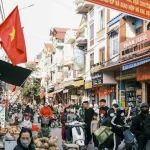
📷 Featured image by René DeAnda on Unsplash.