On this page
- Day 1: Arrival and City Center Exploration
- Day 2: Natural Wonders and Waterfall Adventures
- Day 3: Coffee Culture and Agricultural Delights
- Day 4: Adventure Activities and Departure Preparation
- Where to Stay in Dalat (2026 Budget Breakdown)
- Getting Around Dalat: Transport Options
- Frequently Asked Questions
💰 Click here to see Vietnam Budget Breakdown
💰 Prices updated: October, 2026. Budget figures are estimates — always verify before travel.
Exchange Rate: $1 USD = ₫25,964.41
Daily Budget (per person)
Shoestring: ₫650,000 – ₫1,550,000 ($25.03 – $59.70)
Mid-range: ₫1,800,000 – ₫3,900,000 ($69.33 – $150.21)
Comfortable: ₫5,200,000 – ₫9,100,000 ($200.27 – $350.48)
Accommodation (per night)
Hostel/guesthouse: ₫120,000 – ₫350,000 ($4.62 – $13.48)
Mid-range hotel: ₫780,000 – ₫1,850,000 ($30.04 – $71.25)
Food (per meal)
Budget meal: ₫60,000.00 ($2.31)
Mid-range meal: ₫250,000.00 ($9.63)
Upscale meal: ₫800,000.00 ($30.81)
Transport
Single metro/bus trip: ₫10,000.00 ($0.39)
Monthly transport pass: ₫300,000.00 ($11.55)
Planning four days in Dalat used to mean juggling scattered information across outdated blog posts. In 2026, Vietnam’s mountain retreat has evolved into a sophisticated destination with improved infrastructure, new eco-lodges, and streamlined transport connections from Ho Chi Minh City via the upgraded Linh Phuong-Dalat expressway. This itinerary cuts through the noise to deliver exactly what you need for an unforgettable highlands experience.
Day 1: Arrival and City Center Exploration
Start your Dalat adventure with a morning arrival, whether by the comfortable VietJet Air flights from Ho Chi Minh City (50 minutes) or the scenic bus journey on the new express route. Check into your accommodation early — most hotels accommodate this by 2026 — then head straight to Dalat Market for your first taste of the city’s energy.
The aroma of roasted corn and sweet potatoes fills the air around the market’s perimeter, while vendors call out prices for strawberries, avocados, and artichokes that simply don’t grow elsewhere in Vietnam. Spend an hour wandering the three floors, picking up dried fruits and local coffee beans as future gifts.
After lunch, take the scenic walk to Xuan Huong Lake, the heart of Dalat’s French colonial charm. Rent a swan pedal boat (50,000 VND for 30 minutes) or simply walk the 7-kilometer perimeter path. The afternoon light hits the surrounding pine hills perfectly around 3 PM, creating those postcard-worthy shots every visitor seeks.
End your first day at the night market along Nguyen Thi Minh Khai Street. The sizzle of banh trang nuong (grilled rice paper) hitting hot charcoal grills mingles with the chatter of families sharing weekend treats. Try the local specialties: nem nuong (grilled pork sausage), banh uot long ga (steamed rice rolls with chicken), and fresh strawberry smoothies that taste nothing like the watery versions found at sea level.
Day 2: Natural Wonders and Waterfall Adventures
Dedicate your second day to Dalat’s spectacular waterfalls, starting early to beat both crowds and afternoon mountain mists. Begin with Elephant Falls (Thac Voi), 30 kilometers southwest of the city center. The 30-meter cascade drops through multiple tiers of volcanic rock, creating natural swimming pools that remain refreshingly cool year-round.

The newly constructed viewing platforms installed in 2025 provide safer access to the lower pools, while the adventurous can still scramble down the original rocky paths. Pack water shoes — the volcanic rocks can be slippery even in dry conditions.
Continue to Sekumpul Falls (also called Pongour Falls), famous for its seven-tier structure that resembles a massive stone staircase. The 40,000 VND entrance fee includes access to the renovated walkway system that brings you within touching distance of the spray. During dry season (December to April), you can wade through the shallow pools between tiers.
Conclude your waterfall tour at Datanla Falls, where the alpine slide adds an element of controlled adventure. The 2-kilometer metal track winds through pine forest, offering glimpses of the multi-level falls below. The ride costs 50,000 VND and operates until 5 PM daily.
For dinner, seek out one of the local hotpot restaurants near the city center. Dalat’s elevation makes it one of the few places in Vietnam where hot meals feel genuinely comforting rather than necessary.
Day 3: Coffee Culture and Agricultural Delights
Vietnam’s coffee reputation was built in these highlands, and your third day should honor that heritage. Start with a sunrise visit to a working coffee plantation — K’Ho Coffee or Cau Dat Farm both offer guided tours that begin at 6 AM when the mountain air carries the earthy scent of wet coffee beans and fresh soil.

The guided tours (150,000 VND per person) walk you through the entire process: picking ripe cherries, watching the washing and drying stages, and finally cupping the finished product. The elevation here (1,500 meters above sea level) creates ideal growing conditions for arabica varieties that command premium prices in Hanoi and Ho Chi Minh City cafes.
After your coffee education, explore the flower farms that have made Dalat Vietnam’s unofficial flower capital. The greenhouses stretching across the hillsides produce roses, chrysanthemums, and carnations for the entire country. Many farms welcome visitors for self-guided walks (30,000 VND entrance), though the most photogenic moments happen in early morning when farmers harvest blooms for same-day transport to city markets.
Spend your afternoon at the Van Thanh Flower Park or the newer Dalat Flower Gardens, both redesigned in 2025 with improved walking paths and seasonal displays. The gardens showcase temperate flowers that struggle elsewhere in Vietnam’s tropical climate: tulips, daffodils, and hybrid orchids that bloom year-round in Dalat’s stable temperatures.
For lunch, visit a local farm-to-table restaurant like Trong Dong or An Lac, both specializing in vegetables grown in Dalat’s mineral-rich volcanic soil. The artichokes here taste completely different from imported varieties — nuttier and more tender.
Day 4: Adventure Activities and Departure Preparation
Your final day should balance adventure with practical departure preparation. Start early with canyoning or zip-lining through the pine forests surrounding the city. The Datanla High Rope Course, expanded in 2025, offers three difficulty levels from family-friendly to genuinely challenging.
For the more adventurous, book a half-day canyoning tour through Lang Biang Mountain’s river systems. These tours (450,000 VND per person) include rappelling down 15-meter waterfalls and swimming through narrow rock channels. All equipment and transportation is provided, though you’ll need to bring quick-dry clothing and secure footwear.
Alternatively, take the cable car to Lang Biang Peak (2,167 meters), Dalat’s highest accessible point. The 20-minute ride (70,000 VND round trip) provides panoramic views across the entire Dalat plateau, with the city sprawling below like a European alpine town transplanted to Southeast Asia.
Use your afternoon for souvenir shopping along Hoa Binh Street, focusing on products unique to this region: locally-made wine from Dalat vineyards, artichoke tea, mulberry silk scarves, and of course, premium coffee beans roasted to your specifications.
Where to Stay in Dalat (2026 Budget Breakdown)
Dalat’s accommodation scene has diversified significantly since 2024, with new options across all budget ranges. Location matters more than luxury level — staying within walking distance of Xuan Huong Lake puts you at the center of evening activities and restaurant options.
Budget Range (300,000-600,000 VND per night): Family-run guesthouses along Phan Dinh Phung Street offer clean rooms with hot showers and basic breakfast. Crazy House (Hang Nga Guesthouse) remains a quirky favorite, though book early as it only has 10 rooms.
Mid-Range (600,000-1,200,000 VND per night): Boutique hotels near the city center, many occupying renovated French colonial buildings. Villa Pink House and Dalat Palace Heritage Hotel provide character without breaking budgets.
Comfortable (1,200,000-2,500,000 VND per night): Eco-lodges in the surrounding hills, such as Ana Mandara Villas or the newer Terracotta Hotel & Resort. These properties offer mountain views, spa services, and guided nature activities.
Getting Around Dalat: Transport Options
Dalat’s compact city center remains walkable, but reaching outlying attractions requires planning. The mountain terrain and winding roads make some transport choices more practical than others.
Motorbike rentals (150,000-200,000 VND per day) work well for confident riders familiar with mountain roads. The newer automatic scooters handle Dalat’s hills better than manual bikes, though be prepared for steep grades and sudden weather changes.

For waterfall visits and coffee plantation tours, hire a car with driver (800,000-1,000,000 VND per day) or join group tours. Individual taxi rides to major attractions cost 150,000-300,000 VND each way, making full-day car hire economical for groups.
The local bus system serves some tourist attractions, but schedules remain irregular. Walking remains the best option for city center exploration — most restaurants, cafes, and shops cluster within a 15-minute walk of the lake.
Frequently Asked Questions
What’s the best time to visit Dalat in 2026?
December through April offers the driest weather and clearest mountain views. May through November brings afternoon showers but fewer crowds and lower accommodation prices. The flower gardens look spectacular year-round due to the stable climate.
How much should I budget for four days in Dalat?
Budget travelers can manage on 800,000-1,000,000 VND per day including accommodation, meals, and activities. Mid-range visitors should budget 1,500,000-2,000,000 VND daily. This includes accommodation, restaurant meals, entrance fees, and transport but excludes shopping.
Do I need warm clothes for Dalat?
Yes, pack layers including a light jacket. Temperatures drop to 12-15°C on winter evenings, and mountain weather changes quickly. Most accommodations don’t provide heating, so bring warm sleepwear. Mornings often require long sleeves even in summer.
Can I visit coffee plantations without a tour?
Many plantations welcome independent visitors, though guided tours provide better insight into processing methods and quality grading. Self-guided visits cost less (30,000-50,000 VND entrance) but miss the educational component that makes plantation visits worthwhile experiences.
Are Dalat’s waterfalls accessible for all fitness levels?
Elephant Falls and Pongour Falls require moderate hiking on uneven terrain but remain accessible for most visitors. Datanla Falls has paved paths and the alpine slide option. Sekumpul Falls involves more challenging scrambles over wet rocks suitable for adventurous travelers only.
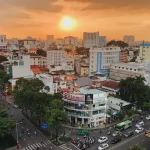
📷 Featured image by Cole Keister on Unsplash.