On this page
- What Makes Lang Son Special: Vietnam’s Northeastern Gateway
- Tam Thanh Cave: Underground Wonders and Ancient Mysteries
- Dong Kinh Market: Cross-Border Commerce and Local Life
- Getting to Lang Son: Transportation Options from Major Cities
- Exploring the City: Where to Go and What to See
- Food Scene: Border Flavors and Regional Specialties
- Day Trip or Overnight: Planning Your Visit Duration
- Budget Breakdown: Costs for Different Travel Styles
- Frequently Asked Questions
💰 Click here to see Vietnam Budget Breakdown
💰 Prices updated: October, 2026. Budget figures are estimates — always verify before travel.
Exchange Rate: $1 USD = ₫25,964.41
Daily Budget (per person)
Shoestring: ₫650,000 – ₫1,550,000 ($25.03 – $59.70)
Mid-range: ₫1,800,000 – ₫3,900,000 ($69.33 – $150.21)
Comfortable: ₫5,200,000 – ₫9,100,000 ($200.27 – $350.48)
Accommodation (per night)
Hostel/guesthouse: ₫120,000 – ₫350,000 ($4.62 – $13.48)
Mid-range hotel: ₫780,000 – ₫1,850,000 ($30.04 – $71.25)
Food (per meal)
Budget meal: ₫60,000.00 ($2.31)
Mid-range meal: ₫250,000.00 ($9.63)
Upscale meal: ₫800,000.00 ($30.81)
Transport
Single metro/bus trip: ₫10,000.00 ($0.39)
Monthly transport pass: ₫300,000.00 ($11.55)
Lang Son in 2026 remains one of Vietnam’s most overlooked provincial capitals, despite major infrastructure improvements including the upgraded National Highway 1A and expanded cross-border facilities with China. This border city offers genuine local experiences without the tourist crowds that have transformed other Vietnamese destinations.
What Makes Lang Son Special: Vietnam’s Northeastern Gateway
Lang Son sits just 18 kilometers from the Dong Dang border crossing with China, making it a fascinating blend of Vietnamese and Chinese influences. The city’s character comes from its role as a trading hub, where Vietnamese merchants have conducted business with their Chinese counterparts for centuries.
The landscape around Lang Son is dramatic karst topography similar to Ha Long Bay, but on land. Limestone peaks jut up from rice paddies and small villages, creating a setting that feels both familiar and distinctly different from Vietnam’s coastal regions. The morning mist that clings to these peaks gives the entire area an ethereal quality that photographers love.
Unlike Vietnam’s major tourist destinations, Lang Son moves to the rhythm of commerce rather than sightseeing. The sound of truck engines mixing diesel fumes with the aroma of pho from street-side stalls creates the authentic backdrop of a working border town. This isn’t a place that has been packaged for tourism, which makes it genuinely refreshing for travelers seeking authentic Vietnam experiences.
The city has maintained its character despite the new China-Vietnam expressway connection completed in late 2024, which has actually increased cross-border trade rather than overwhelming the city with development.
Tam Thanh Cave: Underground Wonders and Ancient Mysteries
Tam Thanh Cave represents Lang Son’s most significant natural attraction, a massive limestone cave system that extends deep into Nui Vong Phu mountain. The cave entrance sits about 2 kilometers from the city center, accessible by a short motorbike ride or bicycle trip.
The cave complex consists of three main chambers, each with distinct characteristics. The first chamber serves as a Buddhist temple, with altars and incense burning creating a mystical atmosphere enhanced by the natural acoustics of the limestone walls. Local families come here to pray, especially during festival periods.

Deeper inside, the second chamber opens into a cathedral-like space where stalactites and stalagmites have formed over thousands of years. The formations include shapes that locals have named after animals and legendary figures. A small underground lake reflects the cave ceiling, doubling the visual impact of the rock formations.
The third chamber requires more careful navigation but rewards visitors with pristine limestone formations and complete silence broken only by the occasional drip of water. The temperature inside remains constant at around 18°C year-round, providing relief from summer heat or winter cold.
The cave requires about 90 minutes for a complete exploration, including time to appreciate the temple areas and photograph the formations. Local guides are available but not essential, as the main paths are well-maintained and clearly marked.
Dong Kinh Market: Cross-Border Commerce and Local Life
Dong Kinh Market operates as the commercial heart of Lang Son, where Vietnamese buyers come to purchase Chinese goods ranging from electronics to clothing to household items. The market functions as both wholesale and retail operation, creating a unique atmosphere where serious business negotiations happen alongside casual shopping.
The market’s layout reflects its dual purpose, with large warehouses handling bulk goods while smaller stalls cater to individual customers. Chinese merchants often speak basic Vietnamese, while Vietnamese traders typically know some Mandarin or Cantonese, creating a linguistic blend that reflects the border region’s character.
Beyond imported goods, the market showcases regional Vietnamese products including dried fruits, traditional medicines, and local handicrafts. The food section offers specialties from both sides of the border, including Chinese sausages, Vietnamese dried fish, and various pickled vegetables that reflect local tastes.
The market operates most actively in the morning hours, when trucks arrive from both China and other Vietnamese provinces. The sound of goods being loaded and unloaded, combined with rapid negotiations in multiple languages, creates an energetic atmosphere that captures the essence of border trade.
For visitors, Dong Kinh Market provides insight into Vietnam’s economic relationship with China at the grassroots level. Prices for many goods are significantly lower than in Hanoi or Ho Chi Minh City, though quality varies widely and bargaining is expected.
Getting to Lang Son: Transportation Options from Major Cities
Lang Son’s transportation connections improved significantly with the 2024 completion of the Hanoi-Lang Son expressway, reducing travel time from the capital to just 2.5 hours by car or bus. This represents a major improvement from the previous 4-hour journey on National Highway 1A.
Regular bus service operates from Hanoi’s My Dinh bus station, with departures every 30 minutes throughout the day. The journey costs approximately 150,000 VND ($6 USD) for standard buses, while premium services charge around 200,000 VND ($8 USD) for reclining seats and air conditioning.
Train service connects Lang Son to Hanoi via the historic rail line built during French colonial period. While slower than buses at 4 hours, the train journey offers scenic views through northern Vietnam’s mountainous landscape. Hard seat tickets cost 80,000 VND ($3.20 USD), while soft sleeper compartments for overnight journeys cost 300,000 VND ($12 USD).
From Ho Chi Minh City, the most practical option involves flying to Hanoi then continuing by bus or train. Direct bus services exist but require 20+ hours and aren’t recommended for most travelers.
Local transportation within Lang Son primarily consists of motorbike taxis and bicycle rentals. The city center is compact enough for walking, though motorbikes are necessary for reaching attractions like Tam Thanh Cave or border areas.
Exploring the City: Where to Go and What to See
Lang Son’s city center clusters around the intersection of Le Loi and Tran Dang Ninh streets, where most hotels, restaurants, and services are located. The colonial-era buildings along these streets show French architectural influence mixed with Chinese design elements, creating a unique border town aesthetic.
The Ky Lua Market operates as the local food market, distinct from the wholesale Dong Kinh Market. Here you’ll find fresh produce, local specialties, and small food stalls serving authentic regional dishes. The morning hours offer the best selection and liveliest atmosphere.
Nhi Thanh Temple sits on a hill overlooking the city, providing panoramic views of Lang Son and the surrounding karst landscape. The temple complex includes both Buddhist and Taoist elements, reflecting the cultural mixing that characterizes border regions. The climb to the temple takes about 20 minutes but rewards visitors with excellent photography opportunities.
The Dong Dang border gate, while primarily functional, offers visitors a chance to observe international trade in action. Large trucks queue on both sides, while smaller traders cross on foot carrying goods in bags and suitcases. The border area has been modernized with new facilities completed in 2025, but the essential character of cross-border commerce remains unchanged.
For those interested in war history, several sites around Lang Son relate to the 1979 border conflict with China. These locations are primarily marked by simple monuments and don’t constitute major attractions, but they add historical context to the region’s complex relationship with its northern neighbor.
Food Scene: Border Flavors and Regional Specialties
Lang Son’s cuisine reflects its position between Vietnam and China, with dishes that incorporate elements from both culinary traditions. The local food scene operates primarily through family-run restaurants and street stalls rather than formal establishments.
Ant eggs represent Lang Son’s most famous local specialty, harvested from red ant colonies in the surrounding forests. Restaurants prepare ant eggs in various styles including soup, stir-fried with herbs, or mixed into sticky rice. The taste is delicate and slightly sweet, though the concept challenges many visitors initially.
Coong phu cake, made from rice flour and filled with mung beans or pork, originates from Chinese culinary traditions but has been adapted to local tastes. Street vendors sell these small, dense cakes throughout the city, often served with sweet sauce for dipping.
Pho in Lang Son includes Chinese-influenced variations such as pho bo vien, which incorporates larger meatballs and different spice combinations than standard Vietnamese versions. The broth often includes star anise and other Chinese five-spice elements.
Local restaurants cluster around the central market areas, with most meals costing between 50,000-100,000 VND ($2-4 USD) per person. The food stalls near Dong Kinh Market offer the most authentic experience, where Chinese and Vietnamese traders eat side by side.
Hot pot restaurants have gained popularity, serving both Vietnamese and Chinese styles. These establishments typically open in the evening and provide a social dining experience popular with local families and business groups.
Day Trip or Overnight: Planning Your Visit Duration
Lang Son works well as either a day trip from Hanoi or an overnight destination, depending on your interests and schedule. The improved expressway makes day trips feasible, though an overnight stay provides a more relaxed experience.
A day trip allows time to visit Tam Thanh Cave, explore Dong Kinh Market, and sample local food. Departing Hanoi early morning, visitors can spend 4-5 hours in Lang Son before returning in late afternoon. This schedule works well for travelers with limited time who primarily want to experience the cave and market atmosphere.
Staying overnight provides opportunities to experience Lang Son’s evening atmosphere, when local restaurants fill with traders and families. The night market near the city center operates after dark, offering different goods and food options than the daytime markets. Early morning visits to local temples and markets also become possible with an overnight stay.
For travelers continuing to other northern Vietnam destinations like Ha Giang or Cao Bang, Lang Son serves as a logical overnight stop rather than a day trip destination. The city’s position makes it a convenient base for exploring the wider northeastern region.
Photography enthusiasts benefit from overnight stays, as the best lighting for cave photography occurs in early morning hours, while sunset views from Nhi Thanh Temple require late afternoon timing.
Budget Breakdown: Costs for Different Travel Styles
Lang Son remains one of Vietnam’s most affordable destinations, with costs significantly lower than major tourist cities. The 2026 price ranges reflect recent infrastructure improvements while maintaining the region’s budget-friendly character.
Budget Travel (400,000-600,000 VND / $16-24 USD per day): This covers basic guesthouse accommodation (200,000-300,000 VND), street food meals (50,000-80,000 VND each), local transportation by motorbike taxi (20,000-30,000 VND per trip), and cave entrance fees (30,000 VND). Budget travelers can experience Lang Son’s main attractions while maintaining very low daily costs.
Mid-Range Travel (800,000-1,200,000 VND / $32-48 USD per day): This includes comfortable hotel rooms with air conditioning (400,000-600,000 VND), restaurant meals with regional specialties (100,000-150,000 VND each), private motorbike rental (150,000 VND per day), and guided cave tours (200,000 VND). Mid-range budgets allow for greater comfort and more comprehensive experiences.
Comfortable Travel (1,500,000+ VND / $60+ USD per day): This covers the best available accommodation (800,000+ VND), private car transportation, multiple restaurant meals, professional photography guides, and premium shopping at border markets. Comfortable budgets provide maximum convenience and exclusive access to local experiences.
Transportation costs from Hanoi add 150,000-400,000 VND ($6-16 USD) depending on chosen method. Most attractions in Lang Son charge minimal entrance fees, keeping activity costs low across all budget levels.
Frequently Asked Questions
Can I cross into China from Lang Son without a Chinese visa? No, entering China requires a valid Chinese visa obtained in advance. However, you can visit the border area and observe cross-border trade without crossing into Chinese territory.
What’s the best time of year to visit Lang Son? October through March offers the most comfortable weather, with cool, dry conditions ideal for cave exploration. Summer months can be hot and humid, while spring brings occasional rain.
Is it safe to eat street food in Lang Son? Yes, street food is generally safe when served hot from busy stalls with high turnover. Look for places where locals eat, and avoid foods that have been sitting out for long periods.
Do I need a guide to explore Tam Thanh Cave? Guides aren’t required for the main cave chambers, which are well-lit and clearly marked. However, guides can provide historical context and access to less-visited cave sections for around 200,000 VND.
What should I buy at Dong Kinh Market? Popular purchases include Chinese electronics, clothing, dried foods, and traditional medicines. Prices are negotiable, and quality varies widely, so inspect items carefully before buying.
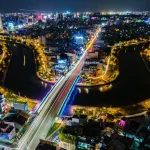
📷 Featured image by Anton Shuvalov on Unsplash.