On this page
- Imperial City Complex Layout & Royal Architecture
- Must-See Palaces and Temples Inside the Citadel
- Royal Tombs: Exploring the Nguyen Dynasty Legacy
- Hue’s Royal Cuisine & Where to Taste Imperial Flavors
- Perfume River & Dragon Boat Experiences
- Getting to Hue and Transportation Options
- Planning Your Visit: Duration & Timing
- Budget Breakdown: What to Expect in 2026
- Frequently Asked Questions
💰 Click here to see Vietnam Budget Breakdown
💰 Prices updated: October, 2026. Budget figures are estimates — always verify before travel.
Exchange Rate: $1 USD = ₫25,964.41
Daily Budget (per person)
Shoestring: ₫650,000 – ₫1,550,000 ($25.03 – $59.70)
Mid-range: ₫1,800,000 – ₫3,900,000 ($69.33 – $150.21)
Comfortable: ₫5,200,000 – ₫9,100,000 ($200.27 – $350.48)
Accommodation (per night)
Hostel/guesthouse: ₫120,000 – ₫350,000 ($4.62 – $13.48)
Mid-range hotel: ₫780,000 – ₫1,850,000 ($30.04 – $71.25)
Food (per meal)
Budget meal: ₫60,000.00 ($2.31)
Mid-range meal: ₫250,000.00 ($9.63)
Upscale meal: ₫800,000.00 ($30.81)
Transport
Single metro/bus trip: ₫10,000.00 ($0.39)
Monthly transport pass: ₫300,000.00 ($11.55)
Vietnam’s imperial capital faces a unique challenge in 2026: balancing authentic heritage preservation with growing tourist numbers. While recent UNESCO restoration projects have enhanced the experience, visitors often struggle to navigate the sprawling complex efficiently and understand the historical significance without proper context.
Imperial City Complex Layout & Royal Architecture
The Imperial City stands as Vietnam’s most complete example of traditional imperial architecture, built between 1804 and 1833 under Emperor Gia Long. The complex follows strict feng shui principles, with three concentric enclosures: the Citadel, Imperial City, and Forbidden Purple City at its heart.
Walking through the towering Ngo Mon Gate, you’ll hear the echo of footsteps on ancient brick pathways while the morning mist rises from ornamental ponds. The layout mirrors Beijing’s Forbidden City but incorporates distinctly Vietnamese elements like curved rooflines and intricate woodcarvings depicting dragons and phoenixes.
The restoration work completed in 2025 has revealed stunning details previously hidden under decades of weathering. The Thai Hoa Palace now displays its original vermillion pillars and golden dragons, exactly as they appeared when French explorer Henri Mouhot first described them in 1860.
The complex spans 520 hectares, making it impossible to see everything in a single visit. Focus on the central axis that leads from Ngo Mon Gate through Thai Hoa Palace to the ruins of the Forbidden Purple City. This route captures the essence of imperial power and provides the best photo opportunities.
Must-See Palaces and Temples Inside the Citadel
Thai Hoa Palace serves as the ceremonial heart where emperors held court and received foreign ambassadors. The throne room’s 80 lacquered pillars support a roof decorated with golden dragons, while the original throne sits beneath an ornate canopy. New LED lighting installed in 2026 highlights architectural details without damaging the ancient materials.
The Temple of Generations houses memorial tablets for Nguyen Dynasty emperors and empresses. The spiritual atmosphere here contrasts sharply with the political grandeur of the palaces. Incense smoke drifts through latticed windows while traditional music plays softly in the background during ceremonial periods.
Dien Tho Palace, once home to Queen Mother Tu Du, showcases the more intimate side of royal life. Recent archaeological work uncovered original ceramic tiles and restored the palace gardens to their 19th-century layout. The koi pond here reflects the delicate architectural details, creating perfect mirror images on calm mornings.
The Royal Library, rebuilt after war damage, now houses a collection of imperial documents and artifacts. Interactive displays explain the complex court hierarchy and daily life of the 143 Nguyen Dynasty rulers who lived here.
Royal Tombs: Exploring the Nguyen Dynasty Legacy
Seven Nguyen emperors built elaborate tomb complexes along the Perfume River, each reflecting their personality and reign philosophy. These sites lie 5-15 kilometers from the city center, requiring separate trips but offering profound insights into Vietnamese royal culture.
Tu Duc’s Tomb represents the pinnacle of imperial tomb architecture. Built as a retreat during the emperor’s lifetime, it features pavilions, lakes, and pine groves arranged according to feng shui principles. The emperor composed poetry here while contemplating governance challenges. The scent of frangipani flowers fills the air around the tomb’s peaceful courtyards.
Khai Dinh’s Tomb showcases a fascinating blend of Vietnamese and European architectural styles. This emperor embraced French colonial influence, resulting in concrete structures decorated with colorful ceramic mosaics. The tomb’s interior glitters with glass and porcelain inlays, creating an almost surreal atmosphere.
Minh Mang’s Tomb follows strict symmetrical design principles with multiple courtyards leading to the burial site. The complex demonstrates the emperor’s scholarly nature through careful proportions and harmonious landscaping. Red bridges span lotus ponds, creating striking reflections during sunset hours.
New electric shuttle services launched in 2026 connect the major tombs, reducing travel time and environmental impact. The full tomb circuit requires a full day, but individual tombs can be visited in 2-3 hours each.
Hue’s Royal Cuisine & Where to Taste Imperial Flavors
Hue’s culinary tradition developed specifically to please imperial palates, resulting in complex dishes with multiple flavor layers and artistic presentation. Royal cuisine required each meal to include dishes with five colors, five flavors, and five textures, representing cosmic harmony.
Bun Bo Hue remains the city’s signature dish – a spicy beef noodle soup with thick rice vermicelli, beef shank, and blood sausage. The best bowls simmer for hours, creating rich, aromatic broths. Try it at Dong Ba Market’s street stalls where vendors have perfected recipes passed down through generations.
Royal restaurants like Maison Trang and Ancient Hue specialize in imperial banquet experiences. These multi-course meals feature dishes like banh khoai (crispy pancakes), nem lui (grilled pork skewers), and che hue (sweet dessert soup). Presentation emphasizes visual appeal with carved vegetables and artistic garnishes.
For authentic experiences, visit family-run restaurants in the ancient quarter. Hanh Restaurant serves traditional recipes in a restored colonial house, while local families near the Imperial City offer home-cooked meals featuring seasonal ingredients from Perfume River fish markets.
The night market along Nguyen Dinh Chieu Street offers royal street food adaptations. Banh beo (steamed rice cakes) and banh nam (banana leaf dumplings) provide affordable tastes of imperial flavors. These small plates cost 15,000-25,000 VND ($0.60-$1.00) each.
Perfume River & Dragon Boat Experiences
The Perfume River flows through Hue’s heart, connecting the Imperial City with royal tombs and providing scenic transportation between major sites. The river earned its poetic name from aromatic flowers and herbs that fall from upstream orchards during autumn months.
Dragon boat tours operate year-round with several departure points near the Imperial City. Traditional wooden boats decorated with carved dragon heads and colorful silk banners carry 15-20 passengers along the meandering river route. The gentle rocking motion and soft splash of oars create a meditative atmosphere perfect for viewing riverside pagodas.
Sunset cruises offer the most magical experiences as golden light reflects off temple roofs and royal tomb spires. The silhouettes of ancient structures emerge from river mist while traditional musicians play court music on selected tours. These musical performances echo across the water, creating an almost ethereal atmosphere.
New eco-friendly electric boats introduced in 2026 provide quieter alternatives that don’t disturb wildlife along the riverbanks. These boats offer better photography conditions and more detailed commentary about historical sites visible from the water.
Half-day boat tours typically include stops at Thien Mu Pagoda and one royal tomb, while full-day excursions cover multiple tomb complexes with onboard lunch featuring regional specialties. Private boat charters allow flexible scheduling and customized itineraries.
Getting to Hue and Transportation Options
Hue sits centrally along Vietnam’s coast, making it accessible from both northern and southern destinations. The city’s location on the new North-South Expressway, completed in late 2025, has significantly reduced travel times from major cities.
Flying into Phu Bai International Airport provides the fastest access, with direct flights from Ho Chi Minh City (1 hour 20 minutes), Hanoi (1 hour 30 minutes), and Da Nang (45 minutes). Vietnam Airlines and VietJet operate frequent services with prices ranging from 1,800,000-3,500,000 VND ($72-$140) depending on booking timing.
Train travel offers scenic routes through central Vietnam’s mountains and coastline. The Reunification Express connects Hue with Hanoi (12-14 hours) and Ho Chi Minh City (14-16 hours). Soft sleeper berths cost 1,200,000-1,800,000 VND ($48-$72), while the premium SE1/SE2 trains provide better comfort and meal service.
Bus connections improved dramatically with the new expressway. Luxury buses from Hanoi take 10-12 hours (450,000-650,000 VND / $18-$26), while trips from Ho Chi Minh City require 14-16 hours (500,000-750,000 VND / $20-$30). Hoang Long and Mai Linh operate the most reliable services with onboard WiFi and reclining seats.
Motorbike rentals cost 150,000-200,000 VND ($6-$8) per day for exploring surrounding areas. The scenic Hai Van Pass route to Da Nang offers spectacular coastal views but requires confident riding skills due to winding mountain roads.
Planning Your Visit: Duration & Timing
Hue demands at least two full days to appreciate properly, though many travelers attempt rushed day trips from Da Nang or Hoi An. This approach severely limits what you can experience and often leaves visitors feeling rushed and unsatisfied.
A single day allows visiting the Imperial City complex and one royal tomb, plus sampling local cuisine. However, you’ll miss the atmospheric early morning and evening periods when the sites feel most authentic and photogenic. Day trippers also struggle with the midday heat that makes extensive walking uncomfortable.
Two days provide a much better experience: spend the first day exploring the Imperial City thoroughly, including lesser-visited sections like the Museum of Royal Antiquities and Dien Tho Palace. Use the second day for royal tomb visits via boat tours or motorbike excursions. This schedule allows time for proper meals and rest periods.
Three days enable a comprehensive exploration including multiple royal tombs, countryside excursions, and cultural experiences like traditional music performances at the Royal Theater. This duration suits travelers interested in Vietnamese history and culture beyond surface-level sightseeing.
Staying overnight provides access to evening activities like Perfume River sunset cruises and dinner at royal cuisine restaurants. Morning visits to the Imperial City offer cooler temperatures and better lighting for photography, while evening strolls through the ancient quarter reveal local life beyond tourist activities.
Budget Breakdown: What to Expect in 2026
Accommodation costs vary significantly based on location and amenities. Budget options near the Imperial City include family-run guesthouses and hostels charging 300,000-600,000 VND ($12-$24) per night. These often lack air conditioning but provide authentic local experiences and helpful owner recommendations.
Mid-range hotels in the city center cost 800,000-1,500,000 VND ($32-$60) per night, offering comfortable rooms with modern amenities, swimming pools, and tour booking services. The Moonlight Hotel and Cherish Hue Hotel represent excellent value in this category with riverside locations.
Luxury accommodations like La Residence Hotel & Spa and Azerai La Residence charge 3,000,000-6,000,000 VND ($120-$240) per night, providing colonial elegance, spa services, and prime riverside positions. These properties often include complimentary airport transfers and cultural tours.
Entry fees for major attractions total approximately 500,000 VND ($20) per person, including Imperial City complex (200,000 VND), royal tombs (55,000 VND each), and Thien Mu Pagoda (free). Combination tickets offering small discounts are available at main entrances.
Food costs range from 50,000-100,000 VND ($2-$4) for street food meals to 400,000-800,000 VND ($16-$32) for royal cuisine banquet experiences. Local restaurants serving com binh dan (common rice dishes) charge 80,000-150,000 VND ($3-$6) for filling meals including soup, rice, and multiple side dishes.
Transportation within the city costs 30,000-50,000 VND ($1.20-$2) for motorbike taxi rides, while bicycle rentals charge 80,000-120,000 VND ($3-$5) per day. Dragon boat tours range from 200,000-400,000 VND ($8-$16) for group tours to 1,500,000 VND ($60) for private boat charters.
Frequently Asked Questions
How much time do I need to see Hue’s Imperial City complex?
Allow 4-6 hours for a thorough visit including the main palaces, temples, and museum. Early morning visits offer cooler temperatures and better photography conditions before tour groups arrive.
Can I visit royal tombs independently or do I need a tour?
Independent visits are possible by renting a motorbike or hiring a taxi. However, guided tours provide valuable historical context and handle transportation logistics, especially for visiting multiple tombs in one day.
What’s the best time of year to visit Hue?
February through April offers pleasant weather with minimal rainfall. Avoid October through December when heavy rains and flooding can disrupt outdoor activities and transportation.
Is the Imperial City suitable for visitors with mobility limitations?
The main pathways are paved and accessible, but many buildings require climbing steps. Electric carts are available for mobility-impaired visitors, though advance booking is recommended during peak season.
How does Hue compare to other imperial sites in Asia?
Hue offers a more intimate experience than Beijing’s Forbidden City with better preservation of original architectural details. The riverside setting and royal tomb complexes create a unique cultural landscape not found elsewhere.
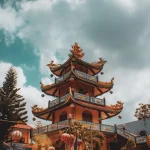
📷 Featured image by Jakob Owens on Unsplash.