On this page
- What Makes Lang Son Unique: Border Culture and Strategic Location
- Historical Significance: Ancient Trade Routes and Colonial Legacy
- Top Cultural and Historical Attractions
- Food Scene: Where Border Flavors Meet Vietnamese Cuisine
- Getting to Lang Son in 2026: Transportation Options
- Getting Around the City and Surrounding Areas
- Planning Your Visit: Duration and Budget
- Frequently Asked Questions
💰 Click here to see Vietnam Budget Breakdown
💰 Prices updated: October, 2026. Budget figures are estimates — always verify before travel.
Exchange Rate: $1 USD = ₫25,964.41
Daily Budget (per person)
Shoestring: ₫650,000 – ₫1,550,000 ($25.03 – $59.70)
Mid-range: ₫1,800,000 – ₫3,900,000 ($69.33 – $150.21)
Comfortable: ₫5,200,000 – ₫9,100,000 ($200.27 – $350.48)
Accommodation (per night)
Hostel/guesthouse: ₫120,000 – ₫350,000 ($4.62 – $13.48)
Mid-range hotel: ₫780,000 – ₫1,850,000 ($30.04 – $71.25)
Food (per meal)
Budget meal: ₫60,000.00 ($2.31)
Mid-range meal: ₫250,000.00 ($9.63)
Upscale meal: ₫800,000.00 ($30.81)
Transport
Single metro/bus trip: ₫10,000.00 ($0.39)
Monthly transport pass: ₫300,000.00 ($11.55)
Most travelers rush through Lang Son on their way to China, missing one of Vietnam’s most historically rich border cities. This northern provincial capital sits just 18 kilometers from the Dong Dang border crossing, where centuries of trade, conflict, and cultural exchange have shaped a unique identity that blends Vietnamese heritage with Chinese influences and ethnic minority traditions.
What Makes Lang Son Unique: Border Culture and Strategic Location
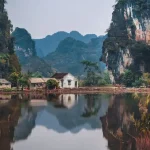
Lang Son occupies a geography that has defined its character for over a millennium. Nestled in a valley surrounded by dramatic limestone karsts, the city serves as Vietnam’s primary gateway to China’s Guangxi Province. This strategic position has made it both a crucial trade hub and a frequent battleground throughout history.
The city’s population of around 160,000 includes significant communities of Tay, Nung, and other ethnic minorities, creating a cultural tapestry distinct from Vietnam’s major cities. Walking through the central market on a busy morning, you’ll hear Mandarin, Cantonese, Vietnamese, and local dialects mixing as traders from both sides of the border conduct business that spans generations.
The border influence extends beyond commerce into daily life. Architecture shows Chinese touches in roof designs and courtyard layouts, while local festivals blend Vietnamese traditions with customs that have crossed the frontier for centuries. This cultural fusion becomes most apparent during Tet, when both Vietnamese and Chinese New Year celebrations create an extended festive period unique to the border region.
Historical Significance: Ancient Trade Routes and Colonial Legacy
Lang Son’s history stretches back over 1,000 years as a critical stop on ancient trade routes connecting Vietnam with China. The city’s name itself reflects this heritage – “Lang Son” means “mountain pass” in Vietnamese, referring to its role as a gateway through the northern mountains.
During the Ming Dynasty occupation (1407-1427), Lang Son served as an administrative center, leaving architectural influences still visible today in older temple designs and urban planning. The French colonial period brought significant development, including the railway line completed in 1903 that connected Hanoi to Kunming, China, making Lang Son a vital transportation hub.

More recent history has been equally dramatic. The 1979 Sino-Vietnamese War began here, with Chinese forces crossing the border at Dong Dang. The conflict left lasting scars but also reinforced the city’s resilience. Walking through the older neighborhoods, elderly residents still point out buildings damaged during the fighting, now rebuilt but carrying memories of that turbulent period.
Archaeological discoveries continue to reveal Lang Son’s ancient importance. The Dong Dang cave complex, just outside the city, contains artifacts dating back 2,000 years, showing continuous human habitation and cross-border trade relationships that predate recorded history.
Top Cultural and Historical Attractions
The Tam Thanh Cave system stands as Lang Son’s premier natural and spiritual attraction. Located 25 kilometers from the city center, these limestone caves house several Buddhist shrines and offer spectacular underground chambers. The main cave stretches over 300 meters, with Buddhist statues carved directly into the rock walls. Early morning visits provide the best experience, when incense smoke creates mystical atmospheres as local worshippers conduct their daily prayers.
Dong Dang Border Market represents modern cross-border commerce at its most vibrant. Open from 6 AM to 6 PM daily, the market buzzes with activity as Vietnamese and Chinese traders exchange everything from electronics to dried seafood. The organized chaos provides fascinating insights into border economics, though photography requires discretion near the actual frontier gates.
The Lang Son Museum, housed in a restored French colonial building, chronicles the region’s complex history through artifacts spanning from prehistoric tools to modern warfare. The museum’s strength lies in its ethnic minority exhibits, showcasing traditional costumes, musical instruments, and agricultural tools from Tay and Nung communities. The war memorial section documents the 1979 conflict with Chinese weapons and personal accounts from local residents.
Ky Lua Market offers the most authentic local experience. This traditional wet market operates from dawn until mid-morning, selling everything from live chickens to rare mountain vegetables. The market serves as a social hub where ethnic minorities from surrounding villages come to trade, creating opportunities to observe traditional dress and hear local languages.
Food Scene: Where Border Flavors Meet Vietnamese Cuisine
Lang Son’s cuisine reflects its border position through dishes found nowhere else in Vietnam. Local specialties incorporate Chinese cooking techniques with Vietnamese ingredients, creating flavors that surprise even experienced food travelers.
Ant egg soup (canh trung kien) represents the city’s most famous delicacy. Harvested from red ant colonies in nearby forests, the tiny white eggs create a unique texture in clear broth with herbs. The dish appears on menus from street stalls to upscale restaurants, typically costing 80,000-120,000 VND per bowl. The taste resembles tiny caviar with a slightly nutty flavor.
Roasted pork (thit lon nuong Lang Son) showcases Chinese influence in its preparation. Whole pig portions are slow-roasted over charcoal in specialized ovens, creating crispy skin and tender meat served with rice paper, herbs, and fermented fish sauce. This preparation method differs significantly from southern Vietnamese grilled pork, showing clear Cantonese influences.
Border markets offer unique snacking opportunities. Chinese preserved plums, candied fruits, and dried seafood provide tastes unavailable elsewhere in Vietnam. Street vendors near Ky Lua Market sell fresh sugar cane juice mixed with kumquat, a refreshing combination popular during hot afternoons.

For authentic dining experiences, head to Nha Hang Bien Gioi on Tran Dang Ninh Street, where local families have been serving traditional border cuisine for three generations. Their ant egg soup consistently ranks among the city’s best, and the owners speak enough English to explain ingredients and preparation methods.
Getting to Lang Son in 2026: Transportation Options
The completion of the Hanoi-Lang Son Expressway in 2025 has dramatically improved access to the city. Modern buses now cover the 155-kilometer journey from Hanoi in just 2.5 hours, compared to 4-5 hours on the old highways. Several companies operate hourly departures from My Dinh Bus Station, with tickets costing 150,000-200,000 VND depending on bus quality.
Train service continues on the historic Hanoi-Dong Dang railway, though it’s mainly used by freight traffic and budget travelers. The journey takes 6-7 hours and costs 180,000 VND for hard seats. However, the scenic route through mountain valleys makes it worthwhile for travelers with extra time.
From Ho Chi Minh City, the most practical option involves flying to Hanoi then taking ground transport. Direct bus connections exist but require 20+ hours, making them impractical for most tourists. Budget airlines like VietJet and Bamboo Airways offer frequent Hanoi connections with advance booking prices around 1,800,000 VND.
The upgraded Highway 1A provides excellent access from other northern destinations. Ha Long Bay sits 4 hours away by private car, while Sapa requires 6-7 hours through mountain roads. Taxi services charge approximately 2,500,000 VND from Hanoi, making shared transportation economical for groups.
Getting Around the City and Surrounding Areas
Lang Son’s compact city center makes walking feasible for most attractions. The main commercial district stretches along Le Loi and Tran Dang Ninh streets, with most hotels, restaurants, and services within a 1-kilometer radius of the central market area.

Motorbike taxis (xe om) provide the most convenient local transportation. Drivers typically charge 30,000-50,000 VND for trips within the city center and 100,000-150,000 VND for attractions like Tam Thanh Cave. Most drivers speak basic English and understand major attraction names.
Bicycle rentals have become available at several guesthouses, charging 100,000 VND per day. The relatively flat city center and light traffic make cycling pleasant, though avoid main roads during rush hours when truck traffic increases significantly.
For accessing the border crossing at Dong Dang, public buses depart every 30 minutes from the central bus station, costing 25,000 VND for the 20-minute journey. Private taxis charge 200,000-300,000 VND one-way, making them worthwhile for photography trips or time-sensitive travel.
Planning Your Visit: Duration and Budget
Lang Son works well as either a day trip from Hanoi or a 2-3 day exploration base, depending on your interests and travel pace. Day trippers can cover the main highlights – Tam Thanh Cave, central market, and border crossing – in 8-10 hours including travel time from Hanoi.
For day visits, catch the earliest bus departure (6 AM) from My Dinh Station to maximize exploration time. Focus on Tam Thanh Cave in the morning when lighting is best, lunch in the city center, then spend the afternoon at Dong Dang border market before returning to Hanoi by evening buses.
Overnight stays allow deeper cultural immersion and access to surrounding attractions. Two days provides time for the main sights plus visits to ethnic minority villages, local workshops, and evening market experiences impossible during rushed day trips.
Three-day itineraries can include day trips to nearby attractions like the Mac Dynasty tombs in Dong Kinh or hiking in the limestone karst areas. This duration also allows for border crossing into China if you hold appropriate visas, adding Pingxiang’s markets and temples to your experience.

Budget accommodations cluster around the central market area, with clean guesthouses charging 400,000-600,000 VND per night. Mid-range hotels offer better amenities for 800,000-1,200,000 VND, including breakfast and English-speaking staff.
Budget Travel (800,000-1,200,000 VND per day):
- Accommodation: Guesthouse bed 400,000-600,000 VND
- Meals: Street food and local restaurants 200,000-300,000 VND
- Transportation: Local buses and xe om 100,000-150,000 VND
- Attractions: Cave entrance and market visits 100,000-150,000 VND
Mid-Range Travel (1,500,000-2,200,000 VND per day):
- Accommodation: 3-star hotel 800,000-1,200,000 VND
- Meals: Restaurant dining and specialties 400,000-600,000 VND
- Transportation: Private taxis and tours 300,000-400,000 VND
- Attractions: Guided tours and entrance fees 200,000-300,000 VND
Comfortable Travel (2,500,000+ VND per day):
- Accommodation: Best available hotels 1,500,000+ VND
- Meals: Upscale dining and special experiences 600,000+ VND
- Transportation: Private car with driver 800,000+ VND
- Activities: Private guides and premium experiences 400,000+ VND
Transportation from Hanoi adds 300,000-400,000 VND return by bus, or 5,000,000+ VND for private car services. Most attractions charge minimal entrance fees, with Tam Thanh Cave at 30,000 VND being the highest single cost.
Frequently Asked Questions
Do I need a visa to visit the China border in Lang Son?
No visa required to visit the Vietnamese side of Dong Dang border crossing. However, crossing into China requires valid Chinese visa and passport. The border area offers good views and photo opportunities from the Vietnamese side.
Is Lang Son safe for solo travelers?
Yes, Lang Son is very safe for solo travel. Crime rates are low, and locals are helpful to tourists. Border areas have increased security presence, making them particularly safe during daylight hours when most attractions operate.
What’s the best time of year to visit Lang Son?
October through March offers the most pleasant weather, with cool temperatures and minimal rainfall. Avoid July-September during peak rainy season when flooding can disrupt transportation and cave access becomes dangerous.
Can I exchange money at the border markets?
Informal money changing occurs at border markets, but rates are poor and security questionable. Use official banks in Lang Son city center or ATMs for better rates and security. Chinese yuan acceptance varies by vendor.
How much Chinese language is useful in Lang Son?
Basic Mandarin phrases help significantly in border markets and with older residents. Many young locals speak some English, but Chinese proves more useful for cultural interactions and understanding the city’s unique border character.
📷 Featured image by Hoach Le Dinh on Unsplash.