On this page
- Ancient Town’s Hidden Food Alleys: Traditional Family Restaurants
- Japanese Bridge Quarter: Upscale Dining and International Fusion
- French Quarter: Cafes, Bakeries and Colonial-Era Establishments
- Riverside Food Markets: Fresh Seafood and Local Specialties
- An Bang Beach: Beachfront Dining and Sunset Restaurants
- Tra Que Village: Farm-to-Table Experiences and Cooking Classes
- Night Markets and Street Food Strips: After-Dark Eating Adventures
- Budget Breakdown: What Food Costs in Hoi An (2026)
- Frequently Asked Questions
💰 Click here to see Vietnam Budget Breakdown
💰 Prices updated: October, 2026. Budget figures are estimates — always verify before travel.
Exchange Rate: $1 USD = ₫25,964.41
Daily Budget (per person)
Shoestring: ₫650,000 – ₫1,550,000 ($25.03 – $59.70)
Mid-range: ₫1,800,000 – ₫3,900,000 ($69.33 – $150.21)
Comfortable: ₫5,200,000 – ₫9,100,000 ($200.27 – $350.48)
Accommodation (per night)
Hostel/guesthouse: ₫120,000 – ₫350,000 ($4.62 – $13.48)
Mid-range hotel: ₫780,000 – ₫1,850,000 ($30.04 – $71.25)
Food (per meal)
Budget meal: ₫60,000.00 ($2.31)
Mid-range meal: ₫250,000.00 ($9.63)
Upscale meal: ₫800,000.00 ($30.81)
Transport
Single metro/bus trip: ₫10,000.00 ($0.39)
Monthly transport pass: ₫300,000.00 ($11.55)
Hoi An‘s UNESCO status brings tour groups hunting for cao lau and white rose dumplings, but the real food magic happens beyond the obvious tourist traps. In 2026, this ancient trading port balances its heritage dishes with an evolving cafe culture and farm-to-table movement that reflects both its agricultural surroundings and international influences.
Ancient Town’s Hidden Food Alleys: Traditional Family Restaurants
The maze of narrow streets between Tran Phu and Bach Dang reveals family-run eateries that have served locals for decades. Duck into the alley behind 103 Nguyen Thai Hoc to find Bale Well Restaurant, where three generations have perfected their cao lau recipe using water from the same ancient well.
Morning Glory Restaurant on Nguyen Phuc Chu Street operates from a renovated merchant house with wooden shutters that creak open at dawn. The kitchen sends out steam clouds carrying the scent of turmeric and lemongrass as cooks prepare their signature fried wontons stuffed with prawns and water chestnuts.
For white rose dumplings, skip the tourist-packed spots and head to Thanh Restaurant at 76 Bach Dang Street. The elderly owner, Ms. Vy, hand-pleats each dumpling while seated on a low plastic stool, the same technique her mother taught her in the 1960s. The translucent rice paper reveals pink shrimp filling, served with a fish sauce blend that balances sweet, salty, and spicy notes.
Green Bamboo Cooking School doubles as a restaurant serving authentic Central Vietnamese dishes in their garden courtyard. Their cao lau uses alkaline water from Ba Le well, combined with thick rice noodles that achieve the perfect chewy texture. The pork is char-grilled over coconut husks, creating subtle smoky flavors that distinguish it from mass-produced versions.

Japanese Bridge Quarter: Upscale Dining and International Fusion
The area surrounding Chua Cau (Japanese Covered Bridge) has evolved into Hoi An’s fine dining district, where restored shophouses house restaurants blending Vietnamese techniques with international presentations. Maison de Tet Decor at 83 Nguyen Thai Hoc occupies a 200-year-old building with original tile floors and carved wooden beams.
The Secret Garden Restaurant lives up to its name, hidden behind an unmarked wooden door at 2/10 Le Thanh Tong. The French-Vietnamese menu features dishes like duck confit with tamarind glaze and lotus root chips, served in a candlelit courtyard where frangipani trees perfume the evening air.
Nu Eatery on Nguyen Phuc Chu Street represents the new generation of Hoi An dining. Chef Thao Suong creates contemporary interpretations of regional dishes using ingredients from local farms. Her deconstructed banh mi features housemade pate, pickled vegetables arranged like modern art, and baguettes baked fresh every two hours.
Red Bridge Cooking School’s restaurant component serves refined versions of dishes taught in their classes. The set menus change seasonally, featuring ingredients from their own herb garden. Their spring rolls arrive wrapped in rice paper so thin you can read the menu through it, accompanied by a peanut dipping sauce brightened with fresh herbs.
French Quarter: Cafes, Bakeries and Colonial-Era Establishments
Hoi An’s French colonial heritage lives on in its cafe culture, concentrated around Hoang Van Thu and Le Loi streets. Faifo Coffee at 131 Tran Phu roasts beans from Da Lat farms, serving espresso in thick ceramic cups alongside buttery croissants that could satisfy Parisians.
The Deck House operates from a restored French villa with wraparound balconies overlooking the Thu Bon River. Their breakfast menu combines Vietnamese coffee with French pastries – try the pain au chocolat filled with Vietnamese chocolate made from Ben Tre cacao beans. The outdoor seating catches morning breezes that carry the sound of wooden boats chugging upstream.

Cargo Club Cafe occupies a former French trading warehouse, with exposed brick walls displaying vintage maps of Indochina trade routes. Their Vietnamese coffee service includes a detailed explanation of the traditional brewing method, watching condensed milk swirl upward as dark coffee drips through the metal filter.
Highlands Coffee on Hai Ba Trung Street represents modern Vietnamese cafe culture, where young locals gather over iced coffee and wifi. The air conditioning provides relief from afternoon heat, while floor-to-ceiling windows offer people-watching opportunities as cyclos navigate the narrow streets outside.
Riverside Food Markets: Fresh Seafood and Local Specialties
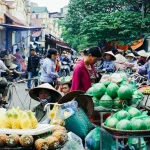
The Central Market along Bach Dang Street transforms from produce vendor hub in the morning to seafood paradise by afternoon. Local fishermen dock their round basket boats, unloading silver fish that were swimming in the South China Sea just hours earlier.
Stall vendors prepare grilled fish wrapped in banana leaves, the packages releasing aromatic steam when unwrapped. The fish marinates in turmeric, lemongrass, and galangal before grilling over charcoal that locals claim comes from specific trees to achieve proper flavor.
Com Ga (chicken rice) vendors cluster near the market’s river entrance, serving the dish that sustains boat workers and market porters. The rice absorbs chicken broth during cooking, resulting in grains that taste like concentrated poultry essence. Shredded chicken tops the rice, accompanied by herbs, pickled vegetables, and a clear broth served in separate bowls.
Evening brings seafood barbecue stalls that set up plastic tables along the riverbank. Prawns, squid, and fish grill over coconut shell charcoal while diners select from baskets of live seafood. The informal atmosphere includes shared tables where travelers mix with local families enjoying weekend dinners.

Market Timing and Freshness
Fish arrives between 6-8 AM when boats return from overnight fishing trips. Vegetables appear freshest during morning hours, delivered from farms in surrounding countryside. Afternoon heat affects seafood quality, making morning and early evening the optimal times for market dining.
An Bang Beach: Beachfront Dining and Sunset Restaurants
An Bang Beach, 5 kilometers from Ancient Town, offers seafood dining with ocean views that central Hoi An cannot match. Coconut palm shade and sea breezes create natural air conditioning while waves provide background soundtrack.
Soul Kitchen Beach operates bamboo huts serving fresh-caught fish grilled whole over driftwood fires. Their signature dish involves stuffing snapper with lemongrass, ginger, and herbs before wrapping in banana leaves and burying in hot coals. The fish emerges perfectly steamed, infused with aromatic smoke.
La Plage Restaurant combines French techniques with local ingredients, creating dishes like coconut curry mussels and grilled prawns with green mango salad. The beachfront location allows diners to wade into warm South China Sea water between courses.
Sunset brings beach barbecue vendors who arrive on motorbikes loaded with portable grills and plastic chairs. They serve grilled corn, sweet potato, and squid while sunset colors reflect off the water. Cold Saigon beer costs 30,000 VND ($1.20) from vendors carrying insulated coolers.
Beach Transport Options
Motorbike taxis charge 40,000 VND ($1.60) for the 15-minute ride from Ancient Town. Bicycle rental costs 30,000 VND ($1.20) per day, allowing leisurely rides through rice paddies. Grab motorcycle service operates to An Bang, though prices increase during sunset hours when demand peaks.
Tra Que Village: Farm-to-Table Experiences and Cooking Classes
Tra Que Village, 3 kilometers from Hoi An center, supplies restaurants throughout the region with herbs and vegetables grown in mineral-rich soil. Several farms offer dining experiences where meals feature ingredients harvested the same day.

Tra Que Herb Village Restaurant serves lunch under bamboo pavilions surrounded by mint, basil, and cilantro plants. The set menu changes based on seasonal harvests, featuring dishes like fresh spring rolls stuffed with just-picked herbs and nem lui (grilled pork skewers) wrapped in rice paper with garden vegetables.
Cooking classes at Eco Tra Que begin with garden tours where participants harvest ingredients for their meal. The hands-on experience includes learning traditional planting techniques using seaweed fertilizer that gives Tra Que vegetables their distinctive flavor. Classes conclude with multi-course meals prepared entirely from farm ingredients.
Village families offer home dining experiences in their traditional houses, serving meals on low tables while chickens and ducks roam the courtyards outside. The informal atmosphere includes children playing nearby and grandmothers sharing stories about farming techniques passed down through generations.
Bicycle tours combine farm visits with countryside dining, stopping at family homes for simple meals like cao lau with vegetables picked moments before serving. The peaceful rural setting contrasts sharply with bustling Ancient Town, offering glimpses of agricultural life that sustains the region.
Night Markets and Street Food Strips: After-Dark Eating Adventures
Hoi An’s after-dark food scene centers around the Night Market on Nguyen Hoang Street, where lantern light illuminates vendors preparing regional specialties on portable stoves. The market opens at 6 PM when temperatures cool enough for comfortable outdoor dining.
Banh mi vendors cluster near the market entrance, assembling sandwiches with ingredients displayed in glass cases. The bread comes from nearby bakeries, still warm and crusty. Fillings include house-made pate, pickled vegetables, cilantro, and your choice of grilled pork, chicken, or beef.
Sweet dessert stalls offer che ba mau (three-color dessert) served in tall glasses layered with mung beans, red beans, and coconut milk. Vendors prepare the dessert fresh throughout the evening, building each layer carefully to create Instagram-worthy presentations.

An Bang Night Market operates on weekends, featuring seafood stalls where vendors grill fish, squid, and prawns over charcoal. Plastic tables and chairs spread across the beach sand, creating casual dining areas where waves provide natural soundtrack. Cold beer and fresh seafood make this a popular local weekend destination.
Street Food Safety and Hygiene
Choose vendors with high customer turnover ensuring ingredient freshness. Look for stalls where food cooks in front of you rather than pre-prepared items sitting under heat lamps. Vendors who serve local families typically maintain higher hygiene standards than those targeting only tourists.
Budget Breakdown: What Food Costs in Hoi An (2026)
Food costs in Hoi An vary dramatically between tourist areas and local neighborhoods. Understanding pricing helps budget travelers find authentic meals while avoiding overpriced tourist traps.
Budget Options (Under 100,000 VND / $4 per meal)
- Street food vendors: 30,000-50,000 VND ($1.20-2.00) per dish
- Local noodle shops: 40,000-60,000 VND ($1.60-2.40) for full bowls
- Market food stalls: 50,000-80,000 VND ($2.00-3.20) including drink
- Banh mi sandwiches: 25,000-40,000 VND ($1.00-1.60) from local vendors
- Vietnamese coffee: 15,000-25,000 VND ($0.60-1.00) at local cafes
Mid-Range Dining (100,000-300,000 VND / $4-12 per meal)
- Family restaurants in Ancient Town: 120,000-200,000 VND ($4.80-8.00) per person
- Cooking class meals: 250,000-350,000 VND ($10.00-14.00) including instruction
- Riverside restaurants: 150,000-250,000 VND ($6.00-10.00) for main courses
- Beach restaurants: 180,000-280,000 VND ($7.20-11.20) for seafood dishes
- International cafes: 80,000-150,000 VND ($3.20-6.00) for meals with coffee
Comfortable Dining (300,000+ VND / $12+ per meal)
- Fine dining restaurants: 400,000-800,000 VND ($16.00-32.00) per person
- Set menus at upscale venues: 600,000-1,200,000 VND ($24.00-48.00) per person
- Wine pairings: 300,000-600,000 VND ($12.00-24.00) additional
- Farm-to-table experiences: 500,000-900,000 VND ($20.00-36.00) including transport
Prices in Ancient Town average 30-50% higher than identical dishes in local neighborhoods. Walking 2-3 blocks away from main tourist streets often reveals similar quality food at significantly lower prices.

Frequently Asked Questions
What are Hoi An’s three signature dishes I must try?
Cao lau (thick noodles with pork and herbs), white rose dumplings (shrimp dumplings in translucent rice paper), and banh mi (Vietnamese sandwiches on French baguettes). These originated in Hoi An and represent the town’s unique fusion of Vietnamese, Chinese, and Japanese influences.
Where can I find the best street food that locals actually eat?
Head to Central Market mornings for com ga (chicken rice) and along Hai Ba Trung Street evenings for various noodle vendors. Local families frequent stalls near the wet market and along smaller streets like Hoang Dieu and Cua Dai.
Are cooking classes worth the money and how do I choose one?
Yes, classes typically include market tours, hands-on cooking, and full meals for 250,000-350,000 VND ($10-14). Choose schools that start with market visits, limit class sizes to 10-12 people, and focus on local dishes rather than general Vietnamese cuisine.
How do I avoid tourist trap restaurants in Ancient Town?
Look for places with Vietnamese signage, local customers, and reasonable prices (under 200,000 VND/$8 per person). Avoid restaurants with aggressive touts outside and English-only menus. Ask hotel staff for recommendations away from main tourist streets.
What’s the best time of day to visit food markets?
Early morning (6-9 AM) offers freshest ingredients and lowest prices. Late afternoon (4-6 PM) brings prepared food vendors setting up for dinner service. Avoid midday heat when food quality suffers and vendors take breaks.
Explore more
The 7 Best Day Trips from Hoi An: From Ancient Ruins to Island Escapes
Hoi An Nightlife Guide: Best Bars, Live Music & Where to Go Out After Dark
Best Neighborhoods in Hoi An, Vietnam
📷 Featured image by Duong Thinh on Unsplash.