On this page
- Why the Central Highlands Matter More in 2026
- Da Lat: Coffee Capital and Cool Climate Escape
- Buon Ma Thuot: The Heart of Vietnam’s Coffee Culture
- Kon Tum: Ethnic Villages and Wooden Churches
- Pleiku: Gateway to Highland Adventures
- The Coffee Trail Experience
- Highland Trekking and Nature Exploration
- Getting Around the Central Highlands
- Where to Stay: From Homestays to Eco-Lodges
- Budget Breakdown for Highland Travel
- Planning Your Central Highlands Adventure
- Frequently Asked Questions
💰 Click here to see Vietnam Budget Breakdown
💰 Prices updated: October, 2026. Budget figures are estimates — always verify before travel.
Exchange Rate: $1 USD = ₫25,964.41
Daily Budget (per person)
Shoestring: ₫650,000 – ₫1,550,000 ($25.03 – $59.70)
Mid-range: ₫1,800,000 – ₫3,900,000 ($69.33 – $150.21)
Comfortable: ₫5,200,000 – ₫9,100,000 ($200.27 – $350.48)
Accommodation (per night)
Hostel/guesthouse: ₫120,000 – ₫350,000 ($4.62 – $13.48)
Mid-range hotel: ₫780,000 – ₫1,850,000 ($30.04 – $71.25)
Food (per meal)
Budget meal: ₫60,000.00 ($2.31)
Mid-range meal: ₫250,000.00 ($9.63)
Upscale meal: ₫800,000.00 ($30.81)
Transport
Single metro/bus trip: ₫10,000.00 ($0.39)
Monthly transport pass: ₫300,000.00 ($11.55)
Vietnam’s Central Highlands have quietly transformed into one of the country’s most compelling destinations, especially after the completion of the Ho Chi Minh Highway extensions in 2025. While coastal cities attract millions of visitors, the cool mountain plateaus of Dak Lak, Lam Dong, Gia Lai, and Kon Tum provinces offer something different: authentic encounters with ethnic minorities, world-class coffee experiences, and landscapes that feel worlds away from Vietnam’s bustling cities.
Why the Central Highlands Matter More in 2026
The Central Highlands region gained significant momentum in 2025 when Vietnam’s domestic tourism campaign highlighted the area as a premier eco-tourism destination. New infrastructure, including improved roads connecting Da Lat to Buon Ma Thuot and expanded flight schedules to Pleiku, has made the region far more accessible than ever before.
This mountainous region, known locally as Tay Nguyen, sits at elevations between 500 and 1,500 meters above sea level. The climate stays pleasantly cool year-round, making it perfect for coffee cultivation and a refreshing break from Vietnam’s tropical heat. The area is home to numerous ethnic minority groups, including the Ede, Jarai, and Bahnar peoples, each maintaining distinct cultural traditions.
What makes 2026 particularly exciting is the launch of the Central Highlands Coffee Route, a government-backed initiative connecting major coffee-producing areas with visitor-friendly experiences. The region now produces over 60% of Vietnam’s coffee beans, making it the world’s second-largest coffee producer after Brazil.
Da Lat: Coffee Capital and Cool Climate Escape
Da Lat remains the most developed destination in the Central Highlands, sitting at 1,500 meters elevation with year-round temperatures between 15-24°C. The French colonial influence is unmistakable, from the architecture around Xuan Huong Lake to the terraced flower farms that paint the surrounding hills in vibrant colors.
The city’s coffee scene has evolved dramatically since 2024. Specialty roasters like K’Ho Coffee and Cau Dat Farm now offer direct-trade experiences where visitors can participate in the entire process from bean to cup. The aroma of freshly roasted beans drifts through the morning air at the Da Lat Market, where vendors serve traditional Vietnamese coffee alongside innovative cold brews.
Beyond coffee, Da Lat offers unique attractions like the Crazy House (Hang Nga Guesthouse), a surreal architectural wonder that looks like it emerged from a fairy tale. The nearby Elephant Falls provides a powerful backdrop for hiking, while the Valley of Love offers peaceful boat rides and flower gardens.
Buon Ma Thuot: The Heart of Vietnam’s Coffee Culture
Buon Ma Thuot, the capital of Dak Lak province, deserves recognition as Vietnam’s true coffee capital. This working city of 400,000 people produces more coffee than any other region in the country, yet it remains largely undiscovered by international travelers.
The city comes alive at dawn when the sound of motorbikes carrying coffee workers fills the streets. Local coffee shops serve the region’s famous robusta beans in traditional Vietnamese style – strong, sweet, and often mixed with condensed milk. The World Coffee Museum, opened in 2023, provides comprehensive insights into Vietnam’s coffee history and the cultural significance of coffee to local ethnic communities.
Trung Nguyen Coffee Village, located 15 kilometers outside the city, offers immersive experiences including coffee picking, processing workshops, and traditional roasting demonstrations. The facility now includes overnight accommodations in coffee plantation bungalows, allowing visitors to wake up surrounded by coffee trees and morning bird songs.
The Ede ethnic minority villages around Buon Ma Thuot provide authentic cultural encounters. Traditional longhouses built on stilts house extended families, and visitors can participate in daily activities like rice wine preparation and traditional weaving. The Ede people have cultivated coffee for generations, and their traditional processing methods create distinctly flavored beans.

Kon Tum: Ethnic Villages and Wooden Churches
Kon Tum province offers the most authentic ethnic minority experiences in the Central Highlands. The region is home to several distinct groups, including the Bahnar, Sedang, and Jarai peoples, each maintaining traditional practices despite modern influences.
The highlight of any Kon Tum visit is exploring the traditional villages scattered throughout the province. Kon K’Tu village features traditional rong houses – communal buildings that serve as gathering places for important ceremonies. These impressive wooden structures, built without nails, can reach heights of 20 meters and represent the architectural ingenuity of the Bahnar people.
Kon Tum’s wooden churches represent a fascinating blend of Catholic missionary influence and local architectural traditions. The Kon Tum Cathedral, built in 1913, incorporates traditional Bahnar design elements into Catholic architecture. The sound of morning prayers mixing with traditional gong music creates an atmosphere unlike anywhere else in Vietnam.
The province’s natural attractions include Ngoc Linh National Park, home to Vietnam’s second-highest peak at 2,598 meters. The park protects rare wildlife and offers challenging trekking routes through pristine montane forests. The cooler temperatures and misty mornings create perfect conditions for discovering endemic plant species and spotting colorful bird life.
Pleiku: Gateway to Highland Adventures
Pleiku serves as the practical entry point for Central Highlands adventures, with its expanded airport now receiving direct flights from Ho Chi Minh City and Hanoi. The city itself may not offer major attractions, but its location makes it ideal for exploring surrounding natural wonders.
Sea Lake (Bien Ho), a volcanic crater lake 7 kilometers from Pleiku, provides peaceful surroundings for swimming and kayaking. The lake’s deep blue waters contrast dramatically with the surrounding green hills, and the area remains refreshingly uncrowded compared to similar attractions in other regions.

Pleiku’s role as a logistics hub means excellent transportation connections to other Highland destinations. The city’s bus terminal offers direct services to all major Highland cities, and new express bus routes launched in 2025 have reduced travel times significantly.
The Coffee Trail Experience
The Central Highlands Coffee Trail connects major coffee-producing areas with hands-on experiences designed for serious coffee enthusiasts. The route begins in Da Lat’s specialty roasting facilities and continues through working plantations in Buon Ma Thuot before ending in traditional ethnic minority coffee farms near Kon Tum.
Participating farms now offer multi-day programs including accommodation in plantation guest houses. Visitors learn traditional harvesting techniques, participate in wet and dry processing methods, and understand how altitude and processing affect flavor profiles. The experience includes cupping sessions where participants taste coffee from different regions and elevations.
Coffee harvest season runs from October to March, offering the best opportunities for hands-on experiences. During peak season in December and January, the hillsides turn red with ripe coffee cherries, and the sound of processing machines echoes across the valleys. The aroma of drying coffee beans fills village air, creating an immersive sensory experience.
Highland Trekking and Nature Exploration
The Central Highlands offer some of Vietnam’s best trekking opportunities, from gentle walks through coffee plantations to challenging multi-day treks in national parks. The region’s elevation provides cooler temperatures and less humidity than lowland areas, making hiking more comfortable year-round.
Yok Don National Park, near Buon Ma Thuot, protects one of Vietnam’s largest remaining dry forests. The park offers elephant observation opportunities – these are wild elephants, not tourist attractions. Early morning treks provide the best chances for wildlife spotting, including various deer species, wild boar, and over 200 bird species.

Cat Tien National Park’s northern section extends into the Central Highlands, offering opportunities to see the endangered Javan rhinoceros. The park’s diverse ecosystems range from lowland forests to highland plateaus, supporting incredible biodiversity. Night tours reveal the sounds of the forest coming alive – from the calls of gibbons to the rustle of nocturnal mammals moving through the canopy.
Local trekking guides, many from ethnic minority communities, provide insights into traditional forest use and medicinal plants. These guides know secret waterfalls, hidden valleys, and the best viewpoints for sunrise photography. Their traditional knowledge adds cultural depth to nature experiences.
Getting Around the Central Highlands
Transportation improvements in 2025 have revolutionized access to the Central Highlands. The completed Ho Chi Minh Highway provides fast connections between major cities, while new express bus services offer comfortable alternatives to domestic flights.
Renting a motorbike remains the most flexible option for independent travelers. The mountain roads offer spectacular scenery, and the cooler temperatures make riding more comfortable than in lowland areas. International driving permits are required, and mountain riding experience is essential for safety.
Private car rental with drivers has become increasingly popular, especially for multi-destination trips. Local drivers know the best routes, can arrange village visits, and provide cultural context for the regions you’re exploring. Costs range from 1,200,000-1,800,000 VND (50-75 USD) per day including driver and fuel.
Public transportation connects all major Highland cities, but schedules can be limited for smaller destinations. The train system doesn’t extend into the Highlands, making buses the primary public option. New air-conditioned express buses launched in 2025 offer comfortable journeys with onboard WiFi and refreshments.
Where to Stay: From Homestays to Eco-Lodges
Accommodation options in the Central Highlands have expanded dramatically since 2024, ranging from basic ethnic minority homestays to luxury eco-lodges designed for international visitors.

Homestays in ethnic minority villages provide the most authentic experiences. These typically include traditional meals, participation in daily activities, and insights into local customs. Facilities are basic but clean, and the cultural exchange opportunities are invaluable. Expect shared bathrooms and simple bedding, but warm hospitality and unique experiences.
Da Lat offers the widest range of accommodation, from budget guesthouses around the market area to boutique hotels overlooking Xuan Huong Lake. The city’s cooler climate means most accommodations don’t require air conditioning, and many feature fireplaces for chilly evenings.
Eco-lodges have emerged throughout the region, particularly around coffee plantations. These properties focus on sustainability while providing comfortable amenities. Many feature solar power, rainwater collection systems, and organic gardens. The sound of coffee processing and bird songs creates a peaceful atmosphere for relaxation.
Budget Breakdown for Highland Travel
Budget Travel (800,000-1,200,000 VND / 33-50 USD per day):
- Accommodation: 200,000-400,000 VND (8-17 USD) – guesthouses, homestays
- Meals: 200,000-300,000 VND (8-12 USD) – local restaurants, street food
- Transportation: 150,000-250,000 VND (6-10 USD) – local buses, motorbike rental
- Activities: 200,000-300,000 VND (8-12 USD) – park entrances, basic tours
Mid-Range Travel (1,500,000-2,500,000 VND / 62-104 USD per day):
- Accommodation: 600,000-1,000,000 VND (25-42 USD) – comfortable hotels, eco-lodges
- Meals: 400,000-600,000 VND (17-25 USD) – mix of local and tourist restaurants
- Transportation: 300,000-500,000 VND (12-21 USD) – private car with driver
- Activities: 400,000-600,000 VND (17-25 USD) – guided tours, coffee experiences
Comfortable Travel (3,000,000-4,500,000 VND / 125-188 USD per day):
- Accommodation: 1,200,000-2,000,000 VND (50-83 USD) – luxury eco-lodges, boutique hotels
- Meals: 600,000-900,000 VND (25-38 USD) – upscale restaurants, specialty dining
- Transportation: 600,000-800,000 VND (25-33 USD) – private transport, domestic flights
- Activities: 800,000-1,200,000 VND (33-50 USD) – premium tours, multi-day experiences

Planning Your Central Highlands Adventure
The Central Highlands deserve more than day trips, but your approach depends on available time and interests. Da Lat can be visited as a day trip from Ho Chi Minh City, but this allows only surface-level exploration of the city’s coffee culture and colonial architecture.
A minimum three-day itinerary allows meaningful exploration of one or two Highland destinations. This provides time for coffee plantation visits, ethnic minority village experiences, and some nature activities without feeling rushed.
The ideal Central Highlands experience spans 5-7 days, allowing visits to multiple cities and deeper cultural immersion. This timeframe permits multi-day trekking, extended coffee trail experiences, and genuine connections with local communities.
For serious coffee enthusiasts or cultural explorers, 10-14 day Highland journeys provide comprehensive experiences. This allows time for harvest participation (in season), extended homestays, and exploration of remote villages rarely visited by tourists.
Frequently Asked Questions
What’s the best time to visit the Central Highlands?
October through March offers the best weather and coincides with coffee harvest season. Temperatures stay between 15-25°C, rainfall is minimal, and coffee plantation activities are at their peak during this period.
Do I need special permits to visit ethnic minority villages?
No special permits are required for most villages, but arrangements should be made through local tour operators or village contacts. Some remote areas may require local guides for safety and cultural sensitivity.
Is it safe to drive motorbikes in the Central Highlands?
Mountain roads can be challenging with steep grades and occasional fog. Experienced riders with proper licenses find it rewarding, but beginners should consider guided tours or private drivers instead.
What should I pack for Central Highlands weather?
Bring layers including light jackets for cool evenings, comfortable hiking shoes, rain gear during wet season, and sun protection. Temperatures vary significantly between day and night in mountainous areas.
Can I buy quality coffee beans directly from farms?
Yes, most coffee farms and processing facilities sell beans directly to visitors at significantly lower prices than retail. Many offer vacuum packaging and shipping services for international travelers.
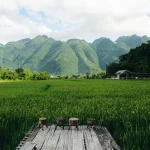
📷 Featured image by Raissa Lara Lütolf (-Fasel) on Unsplash.