On this page
- Old Quarter Night Market: The Tourist Trail Worth Following
- Dong Xuan Market: Where Locals Actually Shop
- Traditional Craft Streets: The 36 Guild Roads Heritage Shopping
- Modern Shopping Malls: Air-Conditioned Comfort Zones
- Specialty Food Markets: Edible Souvenirs and Local Flavours
- Antique and Art Hunting: Hidden Galleries and Vintage Finds
- What to Buy and Pricing Guide: 2026 Shopping Reality Check
- Frequently Asked Questions
💰 Click here to see Vietnam Budget Breakdown
💰 Prices updated: October, 2026. Budget figures are estimates — always verify before travel.
Exchange Rate: $1 USD = ₫25,964.41
Daily Budget (per person)
Shoestring: ₫650,000 – ₫1,550,000 ($25.03 – $59.70)
Mid-range: ₫1,800,000 – ₫3,900,000 ($69.33 – $150.21)
Comfortable: ₫5,200,000 – ₫9,100,000 ($200.27 – $350.48)
Accommodation (per night)
Hostel/guesthouse: ₫120,000 – ₫350,000 ($4.62 – $13.48)
Mid-range hotel: ₫780,000 – ₫1,850,000 ($30.04 – $71.25)
Food (per meal)
Budget meal: ₫60,000.00 ($2.31)
Mid-range meal: ₫250,000.00 ($9.63)
Upscale meal: ₫800,000.00 ($30.81)
Transport
Single metro/bus trip: ₫10,000.00 ($0.39)
Monthly transport pass: ₫300,000.00 ($11.55)
Hanoi‘s shopping scene has transformed dramatically since the city’s tourism rebound in 2025, with vendors now accepting QR payments alongside cash and English signage appearing in previously Vietnamese-only markets. Yet finding authentic souvenirs among the mass-produced trinkets still requires knowing exactly where to look and when to shop for the best selection.
Old Quarter Night Market: The Tourist Trail Worth Following
Every Friday, Saturday, and Sunday evening from 7 PM to midnight, the stretch of road between Hang Dao and Dong Kinh Nghia Thuy transforms into Hanoi’s most accessible tourist market. Despite its reputation as a tourist trap, the Old Quarter Night Market remains the city’s most convenient one-stop shopping destination.
The market sprawls across several blocks, with vendors selling everything from silk scarves (starting at 150,000 VND / $6 USD) to lacquerware bowls and bamboo bags. The quality ranges wildly—skip the obviously machine-made items and focus on stalls displaying handmade ceramics from Bat Trang village or embroidered textiles with visible stitching variations that indicate genuine craftsmanship.
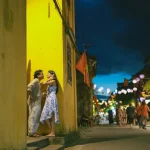
The energy here peaks around 8 PM when the narrow pedestrian streets fill with the chatter of bargaining in multiple languages and the soft glow of LED strips illuminating colorful displays. Street food vendors set up alongside souvenir stalls, creating an aromatic cloud of grilled corn and che (sweet dessert soup) that makes browsing more pleasant.
Parking has improved significantly in 2026 with designated motorbike lots on Ta Hien and Luong Ngoc Quyen streets. Expect to pay 10,000 VND for bike parking, and arrive early as spaces fill quickly on weekends.
Dong Xuan Market: Where Locals Actually Shop
Built in 1889 and rebuilt after a devastating 1994 fire, Dong Xuan Market operates as Hanoi’s largest covered market and wholesale hub. This three-story concrete building houses over 2,000 stalls, making it simultaneously overwhelming and rewarding for determined shoppers.

The ground floor focuses on fresh produce, seafood, and prepared foods, while the upper floors contain clothing, household goods, and genuine local products at wholesale prices. The second floor’s fabric section offers high-quality silk by the meter (from 280,000 VND / $11 USD) and traditional ao dai materials that local tailors actually use.
Unlike tourist markets, vendors here expect serious buyers and offer minimal English assistance. Point to items, use your phone’s calculator for price negotiations, and bring small bills—many stalls cannot break 500,000 VND notes. The third floor’s luggage section sells surprisingly durable bags and suitcases at prices roughly 40% lower than similar quality items in Western countries.
The market’s northwest corner houses a cluster of spice vendors where the intense aroma of star anise, cinnamon, and dried chilies creates an almost overwhelming sensory experience. These stalls sell packaged spice mixes perfect for recreating Vietnamese flavors at home, with clear Vietnamese labeling and reasonable prices (pho spice packets for 25,000 VND / $1 USD).
Traditional Craft Streets: The 36 Guild Roads Heritage Shopping
Hanoi’s Old Quarter originally organized around 36 specialized trade streets, and many retain their traditional focus today. These streets offer authentic local products but require knowing which street sells what and understanding that many shops close for lunch between 11:30 AM and 1:30 PM.
Hang Gai Street specializes in silk products, from ready-made clothing to custom tailoring services. Established shops here offer higher quality than market stalls, with prices reflecting the difference—silk scarves start at 280,000 VND ($11 USD) but feature superior weaving and natural dyes. Several shops provide authenticity certificates and international shipping services.
Hang Quat Street focuses on religious and ceremonial items, including lacquerware, bronze sculptures, and traditional Vietnamese paintings. The craftsmanship level varies dramatically between shops, so examine items closely for finish quality and attention to detail. Genuine hand-painted lacquerware boxes start around 450,000 VND ($18 USD) for small pieces.

Hang Bac (Silver Street) has evolved beyond precious metals to include jewelry, watches, and decorative items. Modern shops here blend traditional Vietnamese motifs with contemporary designs, creating pieces that work as both souvenirs and daily wear jewelry.
The narrow storefronts and deeper interiors characteristic of these heritage streets create a browsing experience that feels more like treasure hunting than conventional shopping. Shop owners often invite customers to sit for tea while examining items, particularly for higher-value purchases.
Modern Shopping Malls: Air-Conditioned Comfort Zones
Hanoi’s shopping mall scene expanded significantly in 2025-2026, providing climate-controlled alternatives to street markets and guaranteed product authenticity. These venues cater to both international visitors seeking familiar shopping experiences and affluent Vietnamese consumers.
Lotte Center Hanoi towers 65 stories above the city, with shopping floors offering international brands alongside Vietnamese designers. The mall’s Vietnamese craft section on the 4th floor curates high-quality local products with fixed pricing—expect to pay premium prices (silk scarves from 650,000 VND / $26 USD) but receive guaranteed authenticity and return policies.
Vincom Mega Mall Ba Trieu focuses more heavily on local brands and emerging Vietnamese designers. The ground floor’s gift section stocks beautifully packaged Vietnamese coffee, tea sets, and packaged foods perfect for bringing home. Prices align more closely with local purchasing power while maintaining quality standards.
Trang Tien Plaza, renovated in 2025, occupies a prime location near Hoan Kiem Lake and specializes in luxury goods and high-end Vietnamese fashion. The basement level houses a gourmet food court where you can sample products before purchasing larger quantities.
All major malls now offer tourist-friendly services including tax-free shopping for qualifying purchases, international shipping assistance, and English-speaking customer service representatives. Free WiFi and clean restrooms make these venues convenient rest stops during extended shopping days.

Specialty Food Markets: Edible Souvenirs and Local Flavours
Vietnamese food products make excellent souvenirs, but knowing where to find authentic items with proper packaging for international travel requires insider knowledge. Several specialized food markets cater specifically to this need.
Chau Long Market’s herb and spice section offers the city’s best selection of cooking ingredients with travel-appropriate packaging. Vendors here understand international customs regulations and stock items like pre-packaged pho spice mixes, dried herbs, and vacuum-sealed specialty sauces designed for travelers.
The weekend farmers market at Dao Tan Street showcases artisanal food producers from around northern Vietnam. Small-batch items like honey from Sapa, specialty teas from Thai Nguyen, and traditional rice wines come with English labeling and producer information. Prices run higher than wholesale markets (specialty honey starts at 320,000 VND / $13 USD) but quality and uniqueness justify the premium.
Long Bien Market’s coffee section deserves special mention for serious coffee enthusiasts. Local roasters sell freshly ground beans from Vietnamese highlands, often providing brewing instructions and background information about specific farms. The rich, earthy aroma of freshly roasted coffee beans creates an intoxicating environment for coffee lovers.
Street-side vendors around major markets often sell packaged versions of popular Vietnamese snacks with extended shelf lives, perfect for sharing with colleagues or friends back home. Look for individually wrapped items from recognizable Vietnamese brands rather than loose products from unknown sources.
Antique and Art Hunting: Hidden Galleries and Vintage Finds
Hanoi’s antique scene requires patience and knowledge to navigate successfully, but rewards persistent shoppers with unique historical pieces and contemporary Vietnamese art. The city’s antique shops concentrate in specific areas, making systematic exploration feasible.

Hang Khay Street houses several established antique shops specializing in French colonial era items, traditional Vietnamese ceramics, and vintage propaganda posters. Authenticity varies widely, so examine items carefully for signs of artificial aging or mass production. Genuine vintage Vietnamese ceramics from the mid-20th century start around 850,000 VND ($34 USD) for small pieces.
The narrow alleys between Hang Buom and Hang Giay streets conceal smaller antique stalls where patient browsing occasionally uncovers remarkable finds. These venues operate more like archaeological sites than retail shops, with layers of items requiring careful excavation to discover hidden treasures.
Contemporary Vietnamese art galleries have flourished since 2025, with several focusing specifically on pieces sized and priced for international collectors. Manzi Art Space and Gallery L’Espace offer curated selections of paintings, sculptures, and mixed-media works by emerging Vietnamese artists, with prices ranging from 2,500,000-15,000,000 VND ($100-600 USD) for original pieces.
Private dealers operate throughout the city, often working from residential apartments or small studios. These require personal recommendations or chance discoveries, but sometimes offer exceptional pieces unavailable through conventional channels. Building relationships with reputable dealers takes time but provides access to items rarely seen in tourist-oriented shops.
What to Buy and Pricing Guide: 2026 Shopping Reality Check
Understanding current pricing helps visitors budget appropriately and recognize fair deals versus tourist markups. Prices have stabilized since the post-pandemic tourism recovery, with most vendors now displaying clear pricing or accepting reasonable negotiations.
Textiles and Clothing:
- Machine-made silk scarves: 150,000-300,000 VND ($6-12 USD)
- Hand-woven silk scarves: 450,000-800,000 VND ($18-32 USD)
- Ready-made ao dai: 650,000-1,500,000 VND ($26-60 USD)
- Custom-tailored ao dai: 1,200,000-2,800,000 VND ($48-112 USD)
- Embroidered bags: 280,000-650,000 VND ($11-26 USD)
Handicrafts and Souvenirs:
- Lacquerware boxes (small): 180,000-450,000 VND ($7-18 USD)
- Bamboo products: 65,000-320,000 VND ($3-13 USD)
- Ceramic items from Bat Trang: 125,000-850,000 VND ($5-34 USD)
- Water puppet figurines: 180,000-420,000 VND ($7-17 USD)
- Traditional paintings: 320,000-2,500,000 VND ($13-100 USD)

Food and Beverages:
- Vietnamese coffee (250g): 180,000-450,000 VND ($7-18 USD)
- Tea sets with packaging: 320,000-850,000 VND ($13-34 USD)
- Spice mixes for pho: 25,000-65,000 VND ($1-3 USD)
- Specialty honey (500ml): 320,000-650,000 VND ($13-26 USD)
- Rice wine (750ml): 180,000-420,000 VND ($7-17 USD)
Budget travelers can find meaningful souvenirs for under 500,000 VND ($20 USD) per item, while those seeking premium quality or custom work should expect to spend 1,000,000-3,000,000 VND ($40-120 USD) for exceptional pieces. Mid-range shoppers targeting good quality ready-made items typically spend 300,000-800,000 VND ($12-32 USD) per purchase.
Payment methods have modernized significantly, with most established vendors accepting bank transfers via Vietnamese mobile apps, though cash remains preferred for small purchases and bargaining situations. Credit cards work in malls and upscale shops, but carry a 2-3% surcharge in many locations.
Frequently Asked Questions
What are the best shopping hours in Hanoi markets?
Most traditional markets operate from 6 AM to 6 PM daily, with peak activity between 8-11 AM. Night markets run Friday-Sunday 7 PM-midnight. Avoid lunch hours (11:30 AM-1:30 PM) when many shops close.
How much should I budget for souvenirs in Hanoi?
Budget 300,000-500,000 VND ($12-20 USD) per meaningful souvenir. Quality silk items, lacquerware, and artisanal products typically cost 450,000-850,000 VND ($18-34 USD). Mass-produced items start around 150,000 VND ($6 USD).
Is bargaining expected in Hanoi shopping areas?
Bargaining is standard in traditional markets and street stalls, with vendors typically starting 30-50% above their target price. Malls and established shops have fixed pricing. Start negotiations around 60-70% of the quoted price.
Which shopping areas are safest for tourists in 2026?
All major shopping areas maintain good security, but stick to well-lit streets and established markets after dark. The Old Quarter Night Market has increased police presence. Avoid isolated alleys and always secure your belongings.
Can I ship purchases internationally from Hanoi shops?
Many upscale shops and all major malls offer international shipping services. Costs typically range from 15-25% of purchase value depending on destination and item size. Processing takes 5-7 business days for documentation.
Explore more
Best Neighborhoods in Hanoi, Vietnam
Hanoi Travel Tips: Essential Guide for Getting Around, Budget & First-Time Visitors
Hanoi Nightlife: The Ultimate Guide to Best Bars, Clubs & Ta Hien Beer Street
📷 Featured image by Rogier Schutte on Unsplash.